by indigiseo | Mar 8, 2026 | Blog, Exercises
Are you looking to develop a chest that will make you proud? Well, this machine can be an addition to your workout routine. The chest press machine is straightforward to use and helps in targeting the right chest muscles. In this blog, learn how to work out using a chest press machine, including how to do the machine incline chest press and tips to help in getting that powerful chest at the gym.
What is Chest Press Machine?
The chest press machine is used to press weights forward while one is in a seated position. Its actions are similar to the bench press; however, there is additional support and stability that can make it a useful tool for beginners and seasoned lifters alike.
How Does It Work?
As you work out on the chest press machine, you press the handles or bar off from the chest. The machine design keeps the body stable, so all your effort is applied to the movement and not to balance the weights. This is quite helpful where getting the correct form is concerned in trying to prevent injuries.
How to Use the Chest Press Machine?
Utilizing the chest press machine is pretty easy. Here’s a step-by-step process:
1. Adjust the seat: The seat height should be adjusted so that when you sit, the handles have to be chest high. It is important for form.
2. Set the weight: You must select a weight by which you will be challenged but at which you can complete sets having good form. If you’re new to the machine, then start with a lightweight.
3. Grip the Handles: Grasp the handles with both hands. Your palms should be towards the floor.
4. Push the Handles: This is done by pushing the handles forward until the arms are extended fully. The user needs to keep his back and shoulders against the seat.
5. Return Slowly: The handles are returned slowly to the starting position without letting the weights slam down
6. Repeat: The above steps are repeated for the number of repetitions as required.
Normally, 8-12 reps per set builds muscle well.
Benefits of Chest Press Machine
1. Controlled Movement: The machine guides your movement, which helps perform the exercise correctly. This is especially useful for beginners who are learning proper techniques.
2. Improved Stability: Unlike free weights, the machine provides stability, which helps you focus on the chest muscles without worrying about balancing the weight.
3. Easy to adjust: You can also easily manipulate the settings on this machine, so you can easily adjust the weight and the position of the seat. In a way, it would be easier for you to customize your workout accordingly.
4. Work for Any Level: Whether you’re a raw beginner or a seasoned lifter, the chest press machine adjusts to your ability.
Machine Incline Chest Press
This variation targets the upper chest. Here’s how to do it:
- Adjust the Bench: Make an incline on the bench, usually at an angle between 30 to 45 degrees. This adjustment puts more focus on the upper part of your chest.
- Do the Same Thing: Do the same motion as you would while working on a regular chest press machine; however, now you are pressing at an angle, which helps hit the upper chest muscles a bit more.
- Get That Upper Chest: The incline is awesome for hitting up that upper chest, which can look nice and appealing, visually speaking, when you get it to pop.
Tips for a Great Chest Workout in the Gym
Follow these tips to bring out the most in your chest workouts in the gym:
- Warm-up: Begin by getting your muscles ready with a warm-up. It’ll get your muscles ready to dive into the workout. Light cardio and dynamic stretches will make sure that your blood is flowing well and that you are nice and limber.
- Good Form: Keep your focus on proper form to avoid injuries and ensure that the intended muscles are worked out maximally. The back should be straight against the seat, and there should be no arching too much at your back.
- Rest and Recover: Allow your muscles time to recover after workouts. Good rest is essential for the growth of the muscles and, in general, for health. Allow for at least 48 hours before repeating the same muscle workout.
- Be consistent: It is the way forward and the determinant of progress. Keep faithful to your workout schedule and gradually add weights and intensity. Progress must be noted over some time.
Sample Chest Workout Routine
Below is a simple routine that includes a chest workout in the gym and the machine exercise among others:
- Warm-up: 5-10 minutes of light cardio, such as jogging or cycling, then dynamic stretches targeting the chest and shoulders.
- Machine Chest Press: Do 3 sets of 10-12 reps, changing the seat setting for the appropriate weight to use.
- Machine Incline Chest Press: Do 3 sets of 10-12 reps. Adjust the bench at an angle to engage the upper chest.
- Dumbbell Bench Press: 3 sets of 8-10 reps. Free weights will help balance out any imbalances by using more stabilizer muscles.
Conclusion
One such tool to develop strength and size in the chest is through the use of a chest press machine. Using the regular chest press machine combined with the machine incline chest press enables one to hit different parts of the chest for overall development. Keep good form, mix machines with free weights, and be consistent. Follow these tips and you will be well on your way to a stronger and more defined chest. Ready to elevate your chest workout? Join MultiFit Gym and master the chest press machine with guidance from our expert trainers. Achieve your fitness goals today
by indigiseo | Mar 8, 2026 | Exercises
5 Gym Exercises to Boost Your Height Naturally: The Do’s and Don’ts
Many adults dream about gaining additional inches to their height.
The genetic factor defines our height potential but exercises in the gym to increase height allows us to reach the fullest extent of our height potential.
Your height can increase and your confidence improve through exercises that build posture and strengthen your spinal cord muscles. Specific workout routines play a role in the height enhancement process so we will examine their uses in this journey.
Can Gymming Increase Height?
The question stands: can gymming increase height?
The practice of gym fitness will not physically increase your bones but it will enhance your posture and tighten your muscles and decompress your spine for a taller appearance. Exercising regularly stimulates the release of growth hormone that presents potential advantages for growing individuals.
Effective Exercises in Gym to Increase Height
These workout exercises in gym to increase height including the following:
Hanging Exercises
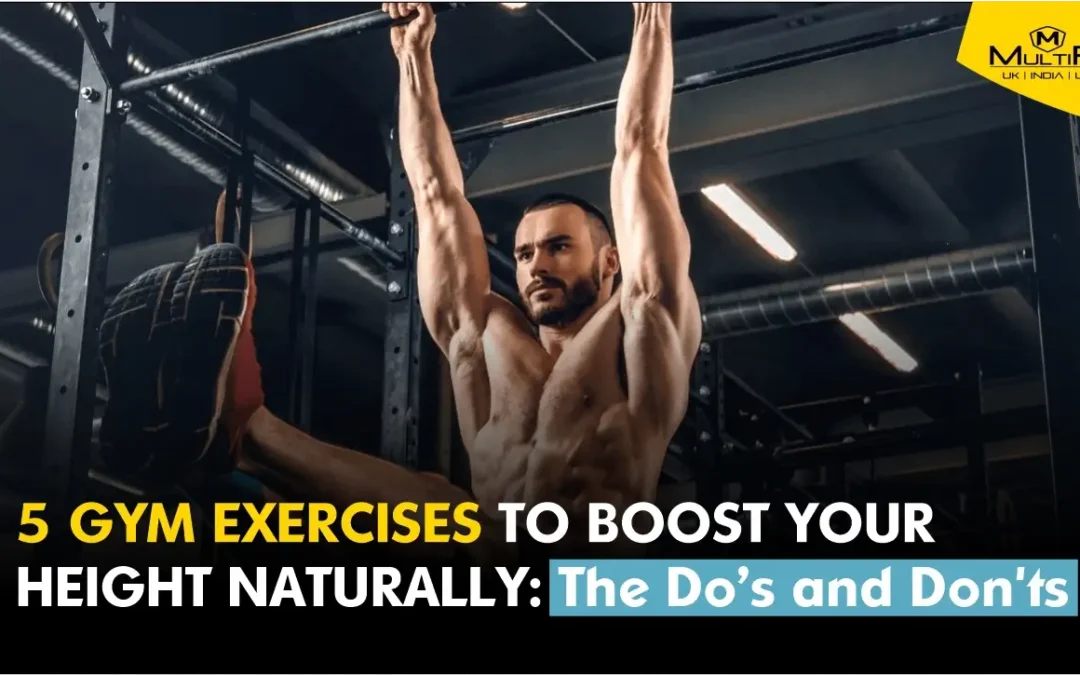
The human body can potentially increase height through long-term bar hanging because this activity decompresses the spine. Hanging for 20-30 seconds needs to be repeated 3-5 times on a daily basis.
Cobra Stretch (Bhujangasana)
The practice of this yoga pose both extends spinal regions and strengthens your back muscles thereby helping your posture. Maintain this position between 15 to 20 seconds with three repetitions each.
Pelvic Tilts
Slim down onto your back position with knees curved and feet pressed firmly on the floor. Next perform a pelvic lift following by a brief hold and then lower the position. Through this exercise people train their lower back muscles thus improving their posture.
Skipping Rope
The practice of skipping triggers hormone activation while it strengthens bone structure. The workout starts with daily sessions between 5 to 10 minutes before you raise the duration gradually over time.
Swimming
From head to toe stretching occurs in swimming which beautifies posture and enhances flexibility through its effects on the spine. Participating in swimming sessions on a regular basis supports height growth.
So, Gym Can Increase Height: Myth or Reality?
Many wonder, does going to gym increase height?
Or the statement that doing gym can increase height is partially true.
Gym activities do not lengthen your bones but practising at the gym will enable you to reach your full height potential. Exercise plays an essential part in securing proper posture and correct spinal alignment.
Propelled by strong core muscles and flexible body the person becomes more upright with enhanced stature. Exercising to enhance spinal wellness and posture will produce the effect of increased height combined with boosted confidence levels.
Increase Height in Gym: Tips and Tricks
To effectively increase height in gym, consider the following tips:
Consistency is Key: Regular workouts yield better results.
Focus on Posture: Incorporate exercises that strengthen back and core muscles.
Stretch Regularly: Stretching exercises improve flexibility and spinal health.
Stay Hydrated: Proper hydration supports overall health and muscle function.
Balanced Diet: Ensure adequate intake of calcium, vitamin D, and protein to support bone health.
Workouts to Increase Height: A Routine
Here’s a sample routine focusing on workouts to increase height:
- Monday: Hanging exercises, cobra stretch, pelvic tilts
- Wednesday: Skipping rope, swimming, spine stretches
- Friday: Yoga session focusing on poses like Tadasana and Bhujangasana
Exercise for Increase Height: Do’s and Don’ts
When engaging in exercise for increased height, keep these in mind:
Do’s:
Maintain proper form to prevent injuries.
Combine strength training with flexibility exercises.
Get adequate rest to allow the body to recover.
Don’ts:
Avoid overtraining, which can lead to fatigue and injuries.
Don’t neglect nutrition; it’s vital for growth and recovery.
Steer clear of exercises that strain the spine excessively.
Which Gym Exercise Stops Height Growth?
A common concern is which gym exercise stops height growth. While most exercises are safe, certain activities, if done improperly, can hinder growth:
Heavy Weightlifting: Lifting very heavy weights, especially without proper form, can compress the spine.
Overhead Presses: Excessive overhead lifting can strain the spine.
High-Impact Activities: Activities like heavy squats or deadlifts, if done incorrectly, can affect spinal health.
Increase Height Exercise in Gym: Final Thoughts
Implementation of increase height exercise through gym workouts provides major benefits for both posture stability and physical appearance.
These exercises will not increase your physical height but they will enhance your posture leading to increased self-confidence. The combination of consistent workouts combined with correct technique alongside life-dimension balance leads to top-quality outcomes.
FAQ’s
Can I combine yoga and gym workouts to increase height?
Definitely. The ideal strategy for height growth combines exercises that stretch from yoga together with both strength training and cardio workouts. Posture along with flexibility and muscle health are supported by this method leading to potential height improvements in gym work.
How long does it take to see results from height-related gym exercises?
It varies. Regular practice of height-enhancing exercises at the gym results in posture and appearance improvements in a timeframe between 4 and 8 weeks for numerous individuals. Teens who wish to grow taller will need more time based on their genetic background alongside their overall lifestyle choices
Is it safe to lift weights if I want to grow taller?
Using weight training requires both cautious amounts of exercises and accurate proper techniques for safety purposes. Heavy lifting must be avoided at all times especially when no supervision is present. People should concentrate on bodyweight routines coupled with stretching exercises and activities which do not compress the spine.
What’s the best time to do increase height exercise in gym?
Morning workouts are ideal. A nighttime decompression of your spine continues into daytime length when you perform your exercises in the morning. You should maintain your increase height exercise practice at the gym no matter what time it is.
Are stretching exercises effective for increasing height?
Absolutely. stretching practices regularly promote good posture along with sustained lengthening of the spine. Your workouts to boost height should contain three specific stretches which include cobra pose, toe touches and hanging exercises.
by indigiseo | Mar 5, 2026 | Exercises
Your Guide to Knock Knee Treatment Exercise You Can Start Today
Have you ever been stationary and observed your knees sway inwards and it touches slightly even when your feet are apart?
It may be a minor thing, but eventually, it may alter your mobility, the manner of walking and even the condition of your joints.
Knock knees, or the technical term, ‘genu valgum’, is not all about appearance but may cause long-term unrest discomfort and joint strain as well as postural complications. The good news? With the right knock knee treatment exercise, the alignment can become better, the strength can be regained, and everyday movements can be simplified.
The question as to whether knock knees can be fixed in adults through exercise should not be one of surprise because it depends.
Why Do These Moves Matter?
Knock knee syndrome (genu valgum) implies that your knees turn inward.
This redirects the load on the reverse knee and in the long run, may have an impact on your hips, ankles and comfort.
However, your legs can be realigned with the help of targeted work, such as inner thighs and glutes strengthening.
These motions assist in contributing to the knee and direct muscles to maintain your hips and legs with improved position.
Core knock knee correction exercise Routines
Here are effective steps. They are simple, clear, and ready for daily practice:
1. Clamshells with resistance bands:
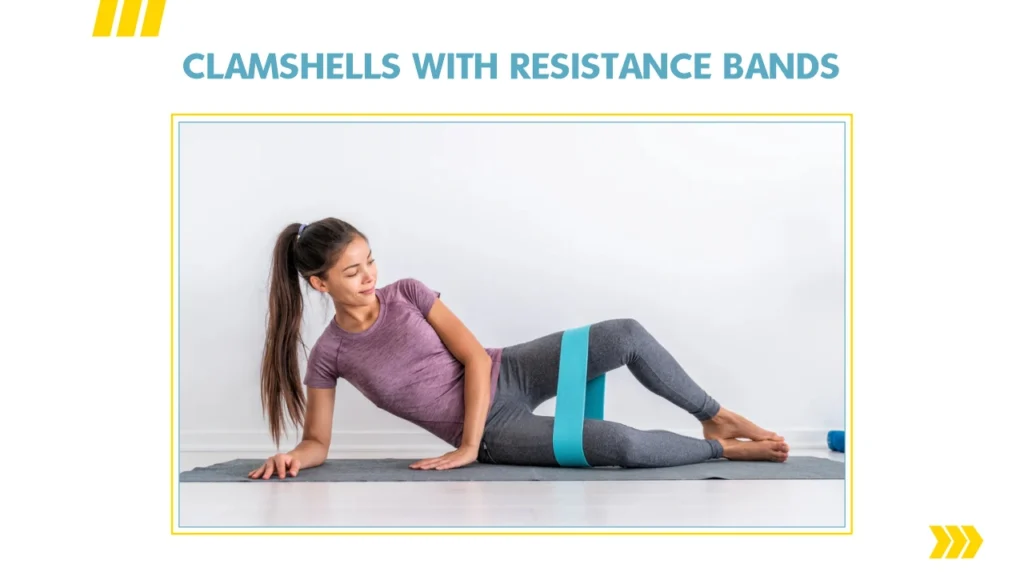
- Lying on your side, knees bent.
- Band around thighs.
- Lift top knee up, feet staying together. Control the rise and lower.
- Perform 3 sets of 15 reps each side.
Result: Gluteus medius is targeted to prevent knees from collapsing inward.
2. Single-leg glute bridge:
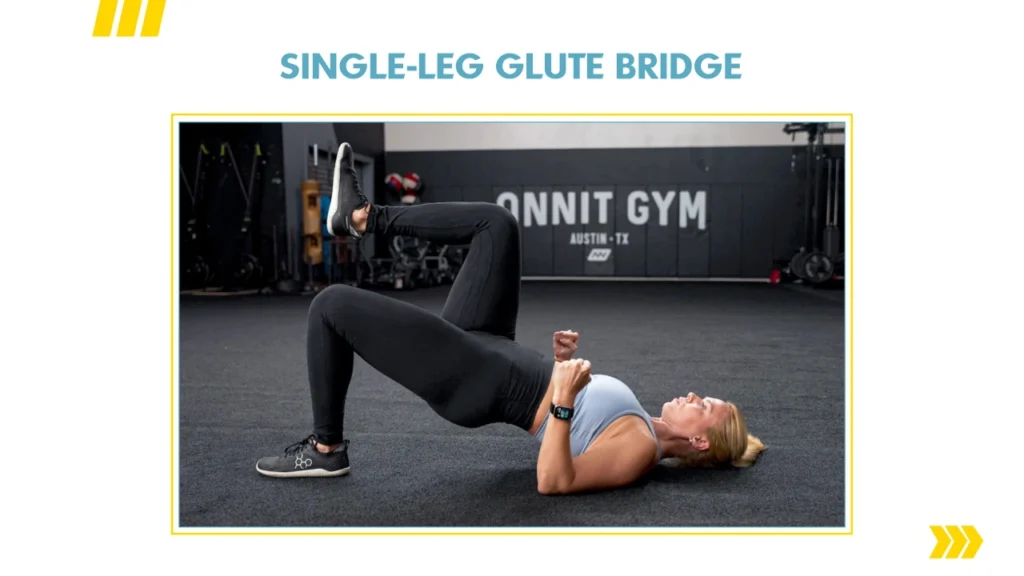
- Lying on back, knees bent, feet flat.
- Raise one leg straight, then lift hips into a bridge position.
- Hold for 2-3 seconds, then lower.
- Perform 3 sets of 12-15 reps each leg.
Result: Strengthening the glutes and hamstrings will provide better support for the knees.
3. Side lunges:
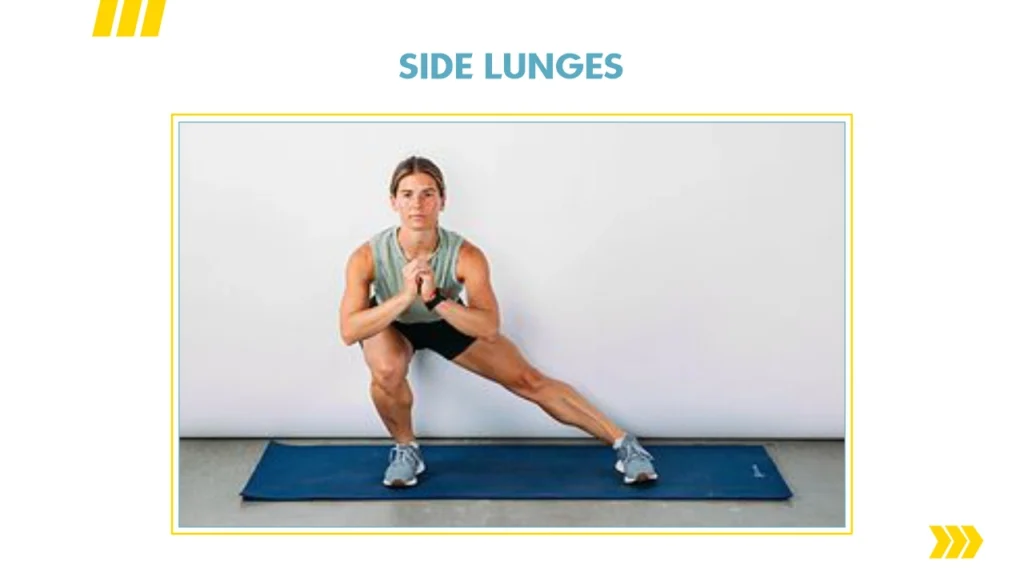
- Stand wide, feet apart.
- Shift your weight to one leg, pushing your knee forward while keeping the other leg straight.
- Repeat, returning to standing position.
- Complete 12 reps each side, for 3 sets.
Result: The adductors and abductors are strengthened, which work to keep knees aligned.
4. Wall squats with band:
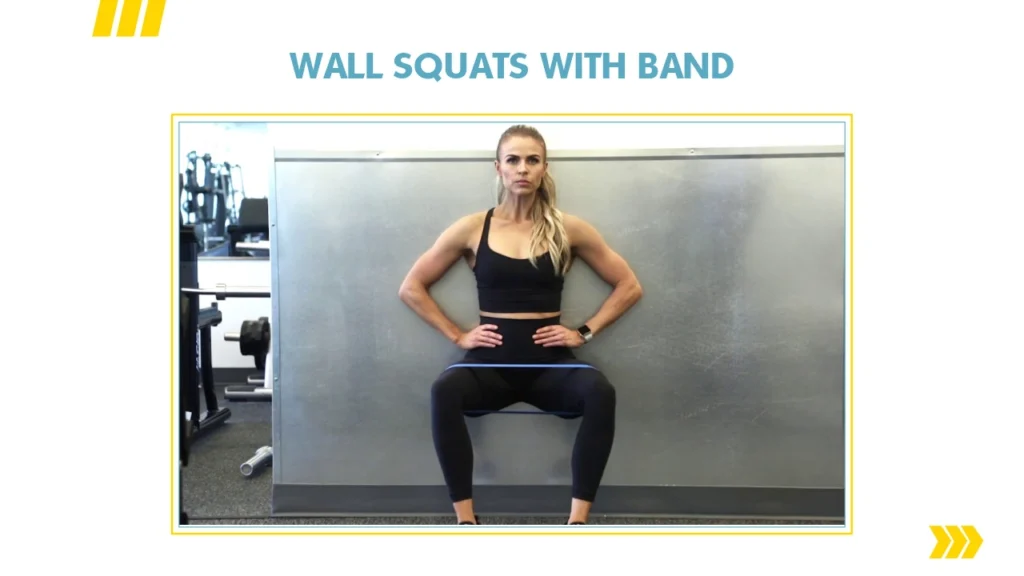
- Place the band above knees, just above the knee joint, and lean back against the wall.
- With feet shoulder width, slide down along the wall into a squat position, with knees aligned with feet.
- Hold for 30 seconds, then return to standing.
- Repeat 3 times.
Result: Goes to work to engage the glutes and quads to reinforce proper knee tracking.
5. Straight leg raises:
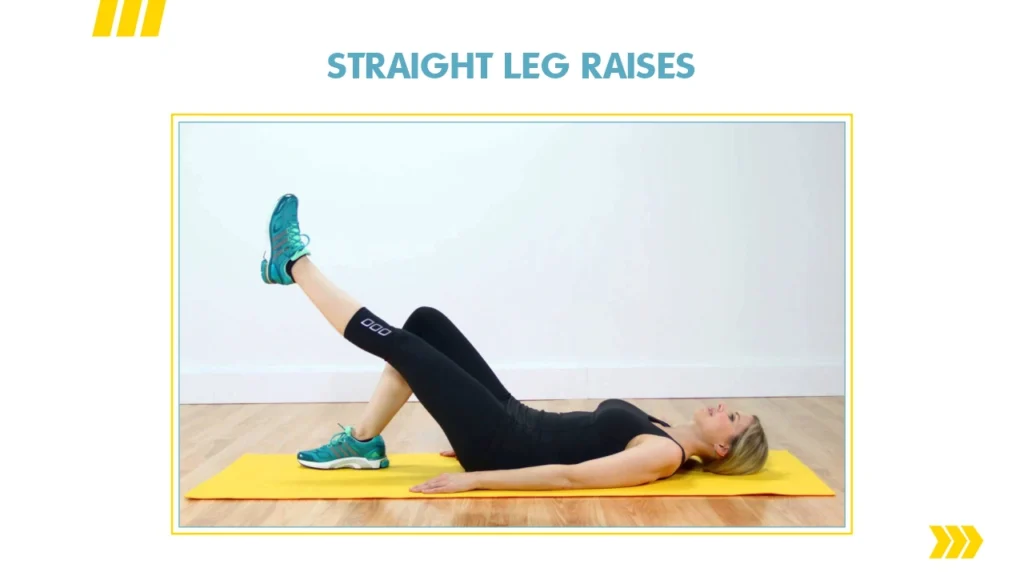
- Lying on your side, or back with leg straight.
- Lift the leg and lower with control in a slow manner.
- Complete 3 sets of 15 each leg.
Result: Strengthens the quadriceps and muscles about the hip that aid with leg alignment.
6. Butterfly stretch:
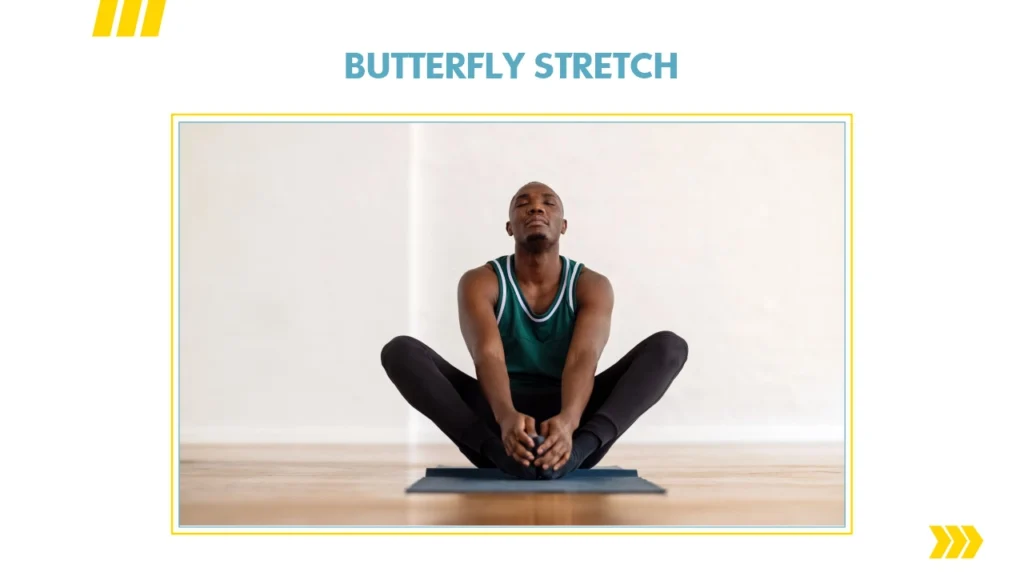
- Seated, soles of feet together and heels pulled in towards you.
- Gently press down with elbows on your knees, or simply lean forward gently.
- Hold for 30 seconds, repeat 3 times.
Result: Opens up the inner thighs allowing that tightness from having knock knees to relieve.
7. Seated hip internal rotation stretch:
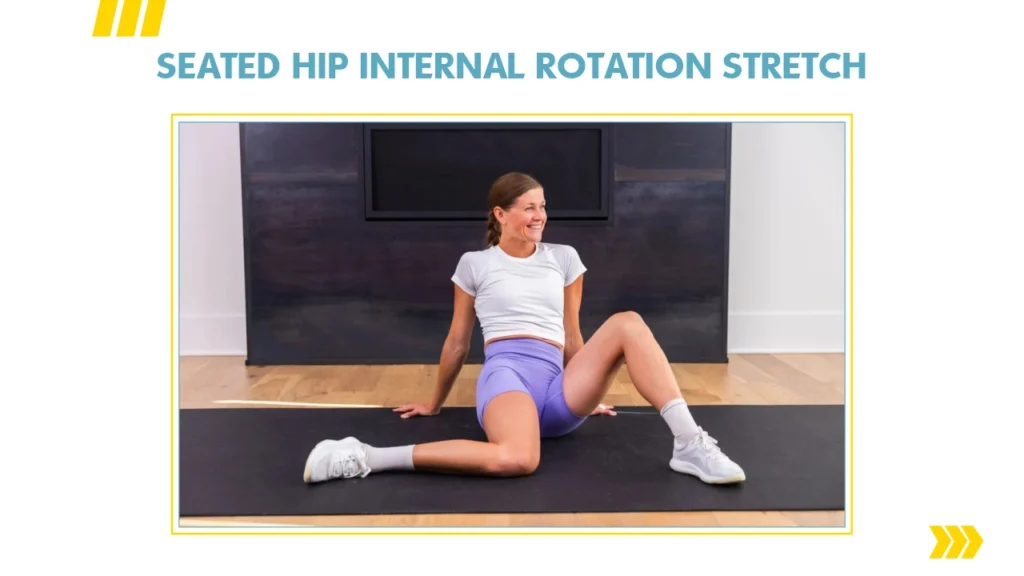
- Seated, cross one ankle onto the opposite knee.
- While in this position, lean forward slightly so you can feel your hip muscles start to open up.
- Hold position for 30 seconds each side.
- Repeat this 3 times.
Result: This stretch is particularly good for releasing hip rotators so the leg can align better.
Next-Level Tips for knock knees workout
Add calf and IT band foam rolling to ease tight muscles .
Wear arch-support footwear or orthotics to stabilize your feet and align your knees
Maintain healthy weight. Try following a 7-Day Diet Plan because having a healthy body will lighten the strain on knees.
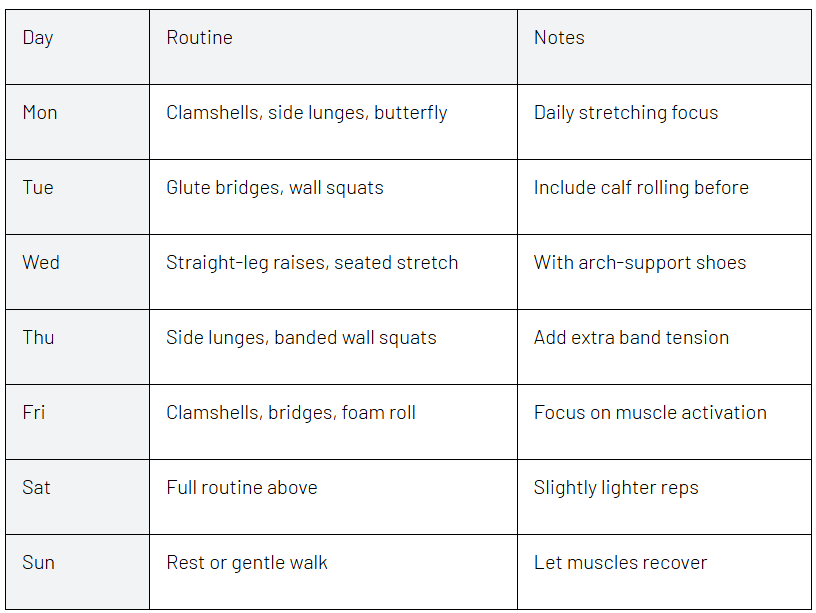
Sample Weekly Plan for Corrective Knock Knees Exercise
Conclusion
Our habits, posture and patterns of movement prefer to remain unnoticed to us until they actually start to influence us.
Knock knees can appear as a structural problem, but in most cases of adults, they are only the indicators of muscle imbalances which can be properly corrected with the correct strategy.
Even by signing up for functional training for knock knee treatment exercise, you are not only looking to create the form that your legs associate but looking to build strength, gain better stability and secure your joints in the long-term. As long as you’re consistent and aware, not only do you make progress, but also achieve it.
FAQ’s
How long before I see results?
An improving balance and posture can be observed within 4-8 weeks. There is a 3 to 6 month process of lasting correction, depending on the consistency of your routines.
How to correct knee knocking during daily tasks?
Be mindful: stand with knees over toes and squat with knees in the position of toes. Form can be checked using mirrors. When strength is gained, it is transferred during time.
Can knock knees be corrected in adults by exercise completely?
Yes, the significant percentage of adults improves, but it all is about whether the bone structure contributes to it or not. In case it is something to do with one of the muscles, then you are in the right direction.
What if I feel pain while doing these?
It is quite normal to feel a bit tight or sore, but your activity should be interrupted when sharp pain occurs. Warm up, decrease the number of reps and think of seeing a physiotherapist.
Should I add cardio?
Yes, it is cardio with low impacts such as walking, cycling, swimming that keeps the joints in line and contributes to weight management.
by indigiseo | Mar 5, 2026 | Exercises
How to Do Shoulder Taps: Benefits, Variations, and More
Shoulder taps are an impactful exercise for your shoulders.
It’s a fun variation of plank exercise. You basically improve your muscle strength and flexibility.
In this article, we’ll go through what shoulder taps are, shoulder taps benefits, and the effect the exercise gives, and a step-by-step guide on how to do shoulder taps.
What are Shoulder Taps?
They are also known as shoulder touch or shoulder press. This exercise requires you to touch/tap your shoulders with your hand.
You will most likely encounter this exercise in yoga, pilates, or weight training to increase shoulder mobility, strength, and flexibility.
How to Do Shoulder Taps?
1. Stand or sit with arms at your side.
2. Raise arms out to the side, keeping them straight until shoulder height.
3. Tap shoulders with hands, keeping arms straight.
4. Return arms back down to starting position.
5. Repeat 12-15 reps, aiming for 3-4 sets.
Shoulder Taps Benefits
Here, we’ll discuss the different benefits of shoulder taps.
– Improved shoulder mobility and flexibility
– Enhanced athletic performance, particularly in sports that involve throwing, lifting, or overhead movements
– Reduced risk of shoulder injuries, such as rotator cuff strains or tears
– The whole body is being utilized, so you build endurance and strength.
Variations of Shoulder Taps
1. Tabletop shoulder taps: Tabletop shoulder taps are an easier variation of shoulder taps. With tabletop shoulder taps, you do the shoulder taps but in a tabletop position instead of plank position.
2. Bear crawl shoulder taps: Bear crawl shoulder taps are a tougher variation of the tabletop shoulder taps. With bear crawl shoulder taps, you get into tabletop position and keep your knees off the ground for the entire duration of the shoulder taps exercise. It’s also known as panther shoulder tap.
3. Elevated shoulder taps: A tough version of shoulder taps. With elevated shoulder taps, you put your feet on a box to elevate your body and perform the shoulder taps in a plank position.
Are Shoulder Taps Effective?
Are shoulder taps effective?
Yes, this exercise increases shoulder strength, shoulder range of motion, and shoulder flexibility.
Incorporating shoulder taps into your exercise routine will enhance athletic performance, reduce the risk of shoulder injuries, and promote shoulder health.
What Muscles Do Shoulder Taps Work?
You’re engaging your shoulder muscles—the deltoids, trapezius, and the rotator cuff muscles.
These shoulder muscle groups work together for optimal mobility and function of the shoulder joint. By doing this move, you’re stimulating and strengthening the muscles for proper use and sustainability.
Conclusion
Shoulder taps is a fun yet challenging exercise which you can add to workout plans.
You would not be needing any equipment, so it’s simple to do.
By learning the muscle groups involved and the efficiency of this exercise, you can improve your shoulders. So why not try out shoulder taps then?
FAQ’s
Can I do shoulder taps with weights?
Yes, you can do the exercise, like with dumbbells or resistance bands. But, start with light weights and slowly increase the weight you take when you build strength and endurance.
Are shoulder taps suitable for beginners?
Beginners can also do shoulder taps too. They are simple to do and you can perform it anywhere. It can also be adjusted to the individual’s fitness level.
Can shoulder taps help improve posture?
Yes, shoulder taps are effective in enhancing good posture since it works on the muscles around the shoulders as well as improves the range of motion of the shoulders.
by indigiseo | Mar 5, 2026 | Exercises
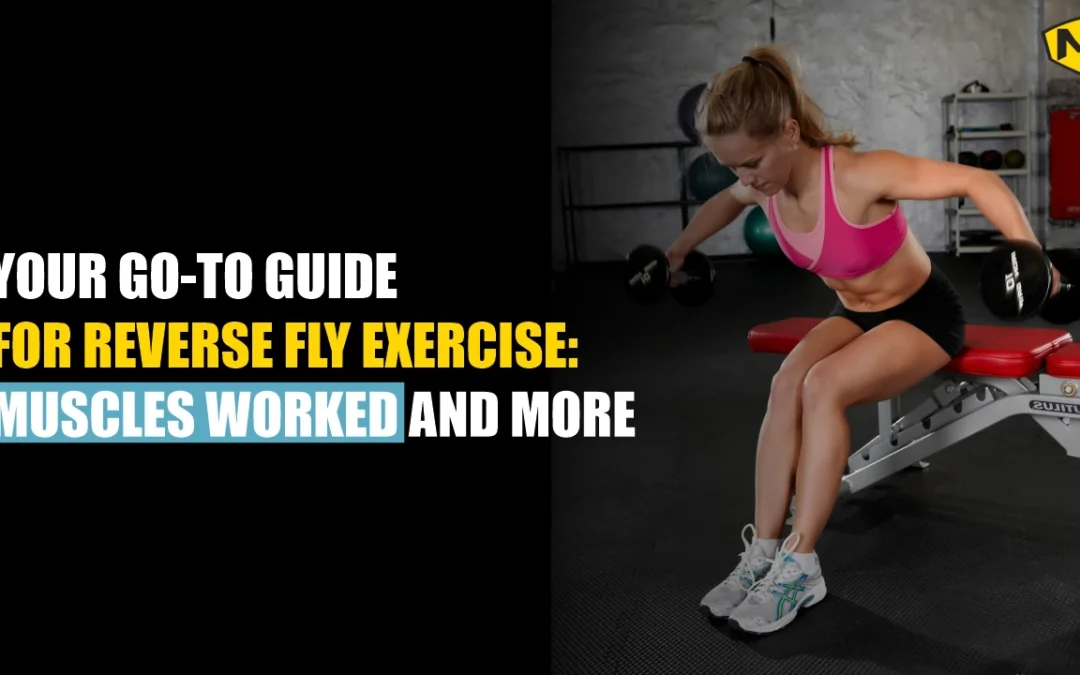
Your Go-to Guide for Reverse Fly Exercise: Muscles Worked and More
Have you ever seen your profile and noticed that you have shoulders hunched over?
To the best of us it happened after a day at a desk or floating hunched over our phones.
That is where the reverse fly exercise muscles worked out to be your best friend. It is easy, effective and it does not correct the problem most of us overlook initially; our upper back strength and posture.
No barbell, no weights, no fancy equipment.
All you really need is the wherewithal to move and do it in the correct form. After trying it, you will understand how a simple step may help you look, feel, and carry yourself differently every day.
What Is the Reverse Fly?
The reverse fly is a strength exercise that targets your back muscles and also the shoulders particularly the back deltoids.
It is also referred to as the bent over lateral raise, and involves bending a little bit at the hips then extending the arms out toward the sides in a wing-like motion.
This can be performed with dumbbells, resistant bands, cable, and even on a reverse machine fly exercise.
It seems easy yet when performed correctly it develops proportion in your upper body, prepares your better posture and helps to alleviate shoulder injury.
How to Do the Reverse Fly with Dumbbells?
The reverse flys workout is the easiest version available and you will only need a pair of light dumbbells and proper form to be successful.
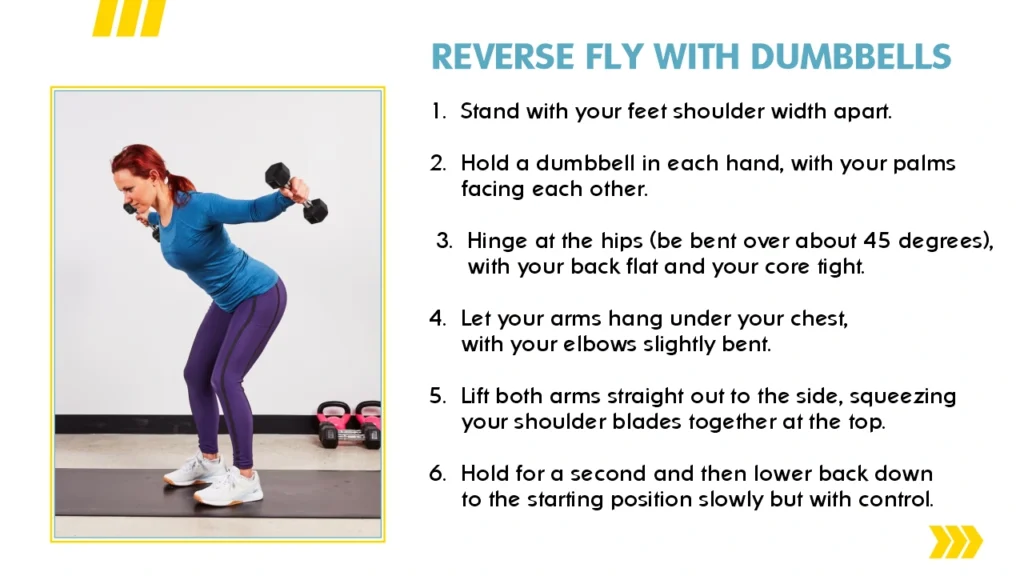
Steps:
- Stand with your feet shoulder width apart.
- Hold a dumbbell in each hand, with your palms facing each other.
- Hinge at the hips (be bent over about 45 degrees), with your back flat and your core tight.
- Let your arms hang under your chest, with your elbows slightly bent.
- Lift both arms straight out to the side, squeezing your shoulder blades together at the top.
- Hold for a second and then lower back down to the starting position slowly but with control.
Tips:
Go slowly and controlled, especially on the way down–this is the key.
Control your body: do not swing the weights as the weights should never be helping you.
Pick up light weights (2-5 kg) and build up as you get better control of your form once you start to get tired.
If you think about the motion, think about pulling with your shoulder blades and not pulling with your arms.
Reverse Fly Exercise Muscles Worked
Let’s break down the exact muscles you’re working during a reverse fly:
1. Rear Deltoids (Posterior Deltoids)
- The main muscle group targeted.
- Located at the back of your shoulders.
- Helps with shoulder movement and gives your shoulders a well-rounded look.
2. Rhomboids
- Found between your shoulder blades.
- Pull your scapula inward and help improve posture.
- Crucial for people with forward-rolled shoulders from sitting all day.
3. Trapezius (Middle and Lower Traps)
- These upper back muscles assist in scapular movement.
- Help control and stabilize the shoulder blades.
- Important for shoulder alignment and reducing tension in the neck.
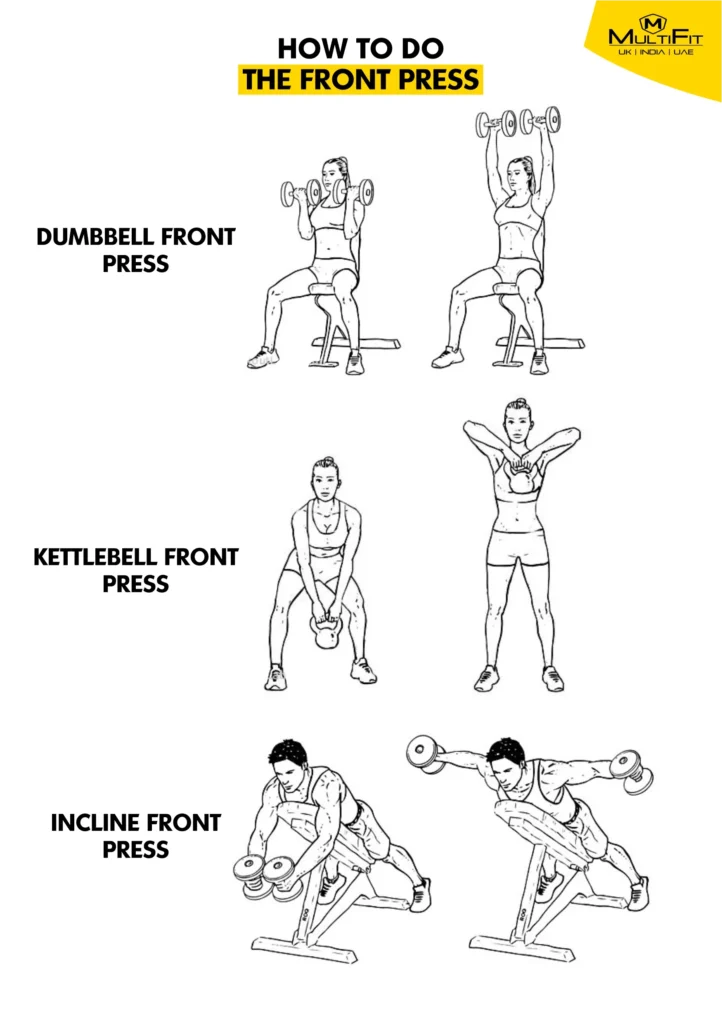
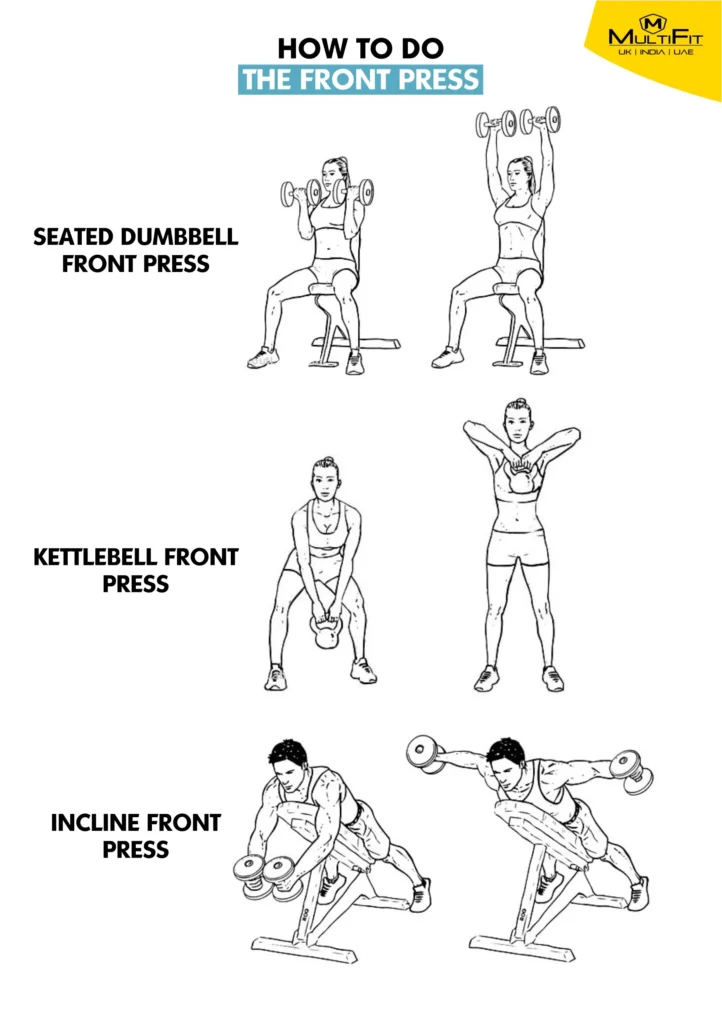
- You can try the front press to target this muscle also.
4. Rotator Cuff Muscles (Infraspinatus & Teres Minor)
- Small but essential muscles that support your shoulder joint.
- Help control arm rotation and prevent injuries during movement.
- Especially active when you do slow, controlled reps.
- You can also try no-equipment exercise like the shoulder taps which also targets this muscle.
Why These Muscles Matter
The muscles that are exercised in these reverse fly are muscles that we normally do not exercise. Most of us already do lots of pushing exercise i.e. bench press or push-up type exercise that develops the front of the body. However, failure to pull enough or do pulling exercises such as reverse flys workout may cause that imbalance to:
- Rounded shoulders
- Poor upper back
- Impingement/pain of shoulders
- Poor posture
And that is why it is an exercise you should not avoid doing to make your upper body have a completely balanced, pain-free body, as well as how you move and feel about your daily activities.
Variations: Reverse Flys Workout
Seated reverse fly: Sitting reverse fly is a good exercise to support your lower back.
Resistance-band reverse fly an alternative: Band hook to fixed point, pull apart.
Incline bench reverse flyes: Lie on bench, face down, raise the hands to sides.
Reverse Machine Fly Exercise
The reverse machine fly, also called the reverse machine fly, is a more controlled, gym-based option. It’s excellent if you’re new to the move or want to isolate your rear delts with precision.
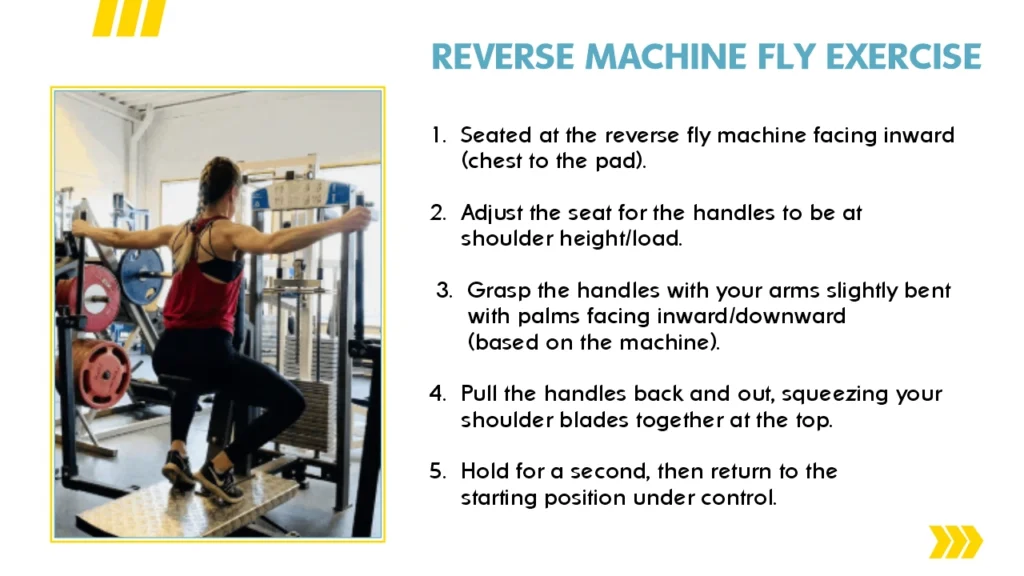
To do this exercise:
Seated at the reverse fly machine facing inward (chest to the pad).
Adjust the seat for the handles to be at shoulder height/load.
Grasp the handles with your arms slightly bent with palms facing inward/downward (based on the machine).
Pull the handles back and out, squeezing your shoulder blades together at the top.
Hold for a second, then return to the starting position under control.
Tips:
Don’t let the weights slam down, keep the movement smooth and under control.
Remember to focus on squeezing your upper back—not just pulling with your arms.
Start light, and perform 10–12 slow, focused reps.
Key Differences:
| Feature |
Dumbbell Reverse Fly |
Reverse Machine Fly Exercise |
| Equipment |
Dumbbells |
Machine (Pec Deck or Rear Delt Machine) |
| Stability |
Requires balance and form |
More stable, guided motion |
| Muscle Control |
More core and stabilizer engagement |
More isolation on rear delts |
| Learning Curve |
Slightly higher |
Beginner-friendly |
| Customization |
Easy to modify angles |
Limited to machine design |
Form Tips & Mistakes to Avoid
Keep your back straight, hinge at the hips, and brace your core.
Use lighter weights—go slow and controlled to squeeze the rear delts.
Don’t shrug—avoid letting the traps take over by keeping shoulders down.
Stay slow on the eccentric—lower arms with control instead of dropping them.
SAMPLE WORKOUT PLAN
| VARIATION |
REPS |
SETS |
NOTE |
| Dumbbell reverse fly |
12–15 |
3 |
Start light, hinge forward from hips |
| Reverse machine fly exercise |
10–12 |
3 |
Controlled motion, full scapular retraction |
| Resistance-band reverse flyes |
15–20 |
2–3 |
Great for home workouts |
How to Easily Add This to Your Week
Busy day? Do 1–2 sets after your main lift (like bench press).
Working from home? Stand up every hour and do a set or two.
Beginner? Start with bands and proper hinge form.
No machine? Use dumbbell or bench variation in its place.
Conclusion
Having sore shoulders and a hunch-kind of posture does not imply that you should be stuck like that.
The muscles involved in the reverse fly exercise will make up your routine and correct extensive shoulders, increase upper-back strength, and maintain healthy shoulders.
No need to have special moves, nor heavy weights, just consistency.
Use dumbbells, bands, or reverse machine fly, and you will feel your posture become better as well as the aches vanish. Tight shoulders and limited range of motions? Give yourself a present and make yourself stronger.
FAQ’s
Which is better, dumbbell or reverse machine flys?
Dumbells will provide greater stabilization, but your form is more likely to break; the machine will make sure that your movement is directed at the rear delts.
Can I do reverse flys workout daily?
On the one hand, yes, but on the other hand, don’t ignore your body. It is possible to work on the rear delts and upper back 2 or 3 times a week as they regain their strength very fast.
Do reverse fly exercises work facepull muscles?
They provide more or less the same areas (rear delts and traps), yet face pulls incorporate an extra benefit of external rotation, which is helpful in shoulder health.
Will this hurt my shoulders?
Not if form is correct, weight is light, and motion is controlled.If you experience painful stiffness, stop and seek help from an expert.
by indigiseo | Mar 5, 2026 | Exercises
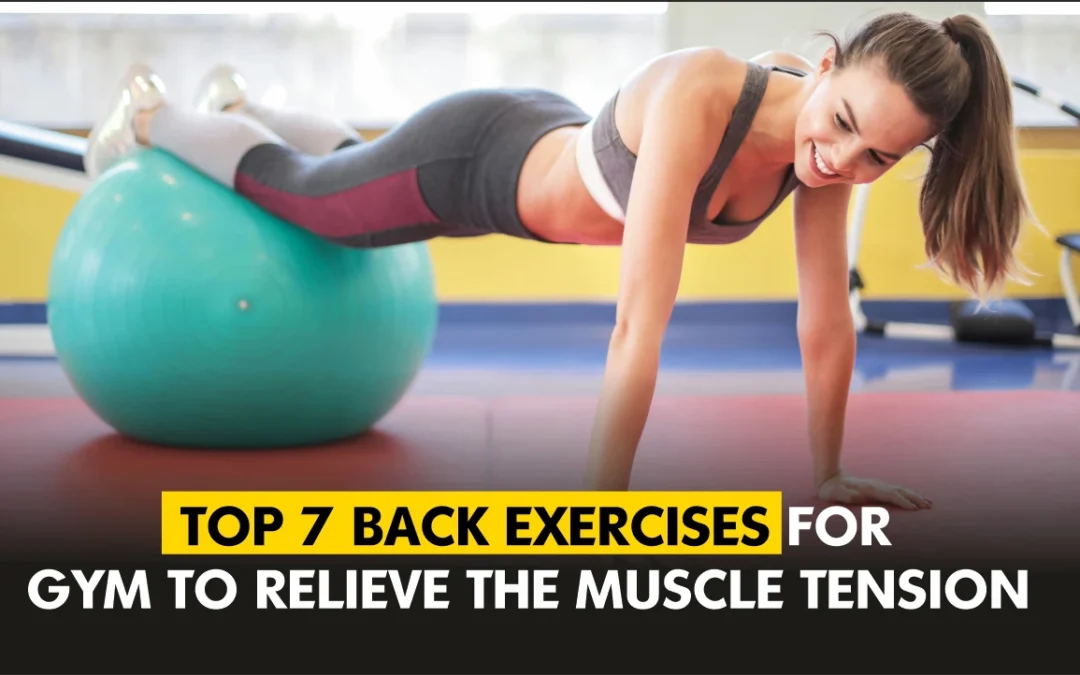
It’s important to build endurance so you get a stronger core and don’t injure yourself while trying to lift more weight. One way to do so is to try out solid back exercises for gym that can not only help you become more flexible but help relieve muscle tension at the same time. In this article, we’ll talk more about back exercises in the gym to help relieve back pain and backaches. Let’s go!
Back Exercises For Gym To Relieve Muscle Tension | Stretches For Tight Lower Back
Many people suffer from back pain every day and the number is increasing by the day. And if you go to the gym regularly or have just started, you might suffer from some pain in your back. That’s why it’s important to know what back exercises for gym to do if your back hurts. Doing back exercises in the gym makes sure you work your back and work towards recovery at the same time.
Let’s take a look at the top 7 gym exercises for back with the number of sets and reps and the equipment you need:
| Exercises |
Sets |
Reps |
Equipment |
| Back Extension With Exercise Ball |
1-2 |
8-12 |
Exercise Ball |
| Resistance Band Pull-Apart |
1-3 |
8-12 |
Resistance Band |
| Hamstring Stretches |
1-5 |
3 |
Resistance Band |
| Wide Dumbbell Bent-Over Row |
1-2 |
8-12 |
Dumbbells |
| Chest-Supported Row |
1-3 |
8-12 |
Bench, Weights |
| Renegade Row |
1-3 |
20 |
Weights |
| Barbell Deadlift |
1-3 |
8-12 |
Barbell |
1. Back Extension With an Exercise Ball
Doing the back extension with an exercise ball is one of the easiest exercises for beginners to do, especially if they’re facing lower back pain.
How to do Back Extension With an Exercise Ball:
1. Lie on an exercise ball, facedown, with your abdomen on the the ball.
2. You can put your feet up against a wall if you want more support
3. Extend your arms.
4. Slowly raise your upper body and arms upward until your shoulders are above your hip height.
5. Stop for a while at the top and then very slowly drop your hands and body to the original position.
6. Repeat
2. Resistance Band Pull-Apart
Resistance band pull-apart is a great simple exercise for people who want to fix backaches but don’t want to “workout.” This is one of the simplest back exercises for gym that you just need a resistance band for.
How to do Resistance Band Pull-Apart:
1. Hold a resistance band taut in front of you and extend both your hands so the band is parallel to the ground.
2. Keep your arms straight at the elbows.
3. Move your arms out to the sides and squeeze your shoulder blades together as you go.
4. Very slowly return to the starting position.
5. Repeat
3. Hamstring Stretches
Hamstring stretches are one of the top gym exercises for back that work on the back as well as the hip. These can help with everyday tasks and increase flexibility.
How to do Hamstring Stretches:
1. Lay on your back
2. Keep one leg bent and one leg in the air
3. Have a stretch band or resistance band around your foot.
4. Hold for 30 seconds
4. Wide Dumbbell Bent-Over Row
If you’re looking for back exercises in the gym that can help you with an increased range of motion, the wide dumbbell bent-over row is the one for you. Choose a 4 kg weight and do the rows with them (recommended.)
How to do a Wide Dumbbell Bent-Over Row:
1. Hold a dumbbell in each hand with your palms facing your thighs.
2. Stand with feet shoulder-width apart.
3. Slightly bend your knees and keep your neck neutral
4. Hinge at the hips so that your torso forms a 45-degree angle with the floor.
5. Allow the dumbbells to hang to the ground in front of you.
6. Begin rowing motions with your elbows, pulling them up toward your shoulders.
7. Return to the starting position
8. Repeat.
5. Chest-Supported Row
How to do a Chest-Supported Row:
1. Position an adjustable exercise bench at an angle of 45 degrees.
2. Hold a dumbbell in both your hands and sit on the bench with your chest facing the backrest.
3. Gradually lean forward until your chest touches the backrest.
4. Hold a dumbbell in each hand, extend your elbows, and let your arms hang down. (starting position.)
5. Simultaneously, squeeze your shoulder blades and bend your elbows to bring the dumbbells toward your rib cage.
6. At last, bring the dumbbells back to the original starting position slowly.
6. Renegade
Row Renegade rows are back exercises for gym that are more advanced than the average exercise or stretch and need a little more strength to do. That said, this exercise is a core workout that works especially on your upper back.
How to do Renegade Rows:
1. Get yourself into a high plank position with each of your hands holding a dumbbell.
2. Your body should form a taut straight line from your head to your toes.
3. Do a rowing motion with your left arm (pull your elbow toward the sky, then return the dumbbell to the floor.)
4. Repeat with your right arm.
5. Alternate and repeat.
7. Barbell Deadlift
In the barbell deadlift, your back is flat throughout the movement, which helps put positive pressure on it. Remember these points: Deadlifts offer several advantages, such as building strength and increasing definition in the upper and lower back, glutes, and hamstrings.
How to do a Barbell Deadlift:
1. Stand behind a barbell with your feet planted to the floor, shoulder-width apart.
2. Bend your body at the hips and then slowly bend your knees.
3. Reach down to pick up the barbell.
4. Keep your back straight and grab the bar with both palms facing you.
5. Now push yourself back up into a standing position.
6. Keep your back straight throughout the movement
7. Return to the starting position and bring the barbell back toward the floor.
8. Repeat
Conclusion
So adding effective back exercises to your gym routine is important for relieving muscle tension and enhancing overall strength. Make sure to include these top seven back exercises in your gym routine: Back Extension with an Exercise Ball, Barbell Deadlift, Resistance Band Pull-Apart, hamstring Stretches, Wide Dumbbell Bent-Over Row, Chest-Supported Row, and Renegade Rows. These exercises help relieve back pain, build endurance, and prevent injuries, leading to a healthier, tougher back. Whether you’re a beginner or a seasoned gym-goer, these exercises are designed to support a healthier, more resilient back.
FAQ’s
Which Gym Machine Is Good For Back Pain?
Elliptical Trainers, Steppers or Stair Climbers, an adjustable exercise bench, and Stationary Exercise Bikes are great for people with back pains.
What Muscles Should I Workout For Back Pain?
Some exercises that are good at targeting your core muscles and lower back could help support and strengthen your lower back if you have back pain. These back exercises can include hamstring stretches and resistance band pull-apart.
Can Exercise Reduce Back Pain?
Most exercises when done well will help relieve back pain and in most cases, doing exercise regularly can cut the frequency of persistent back pain attacks by almost half.