by indigiseo | Mar 4, 2026 | Aasan
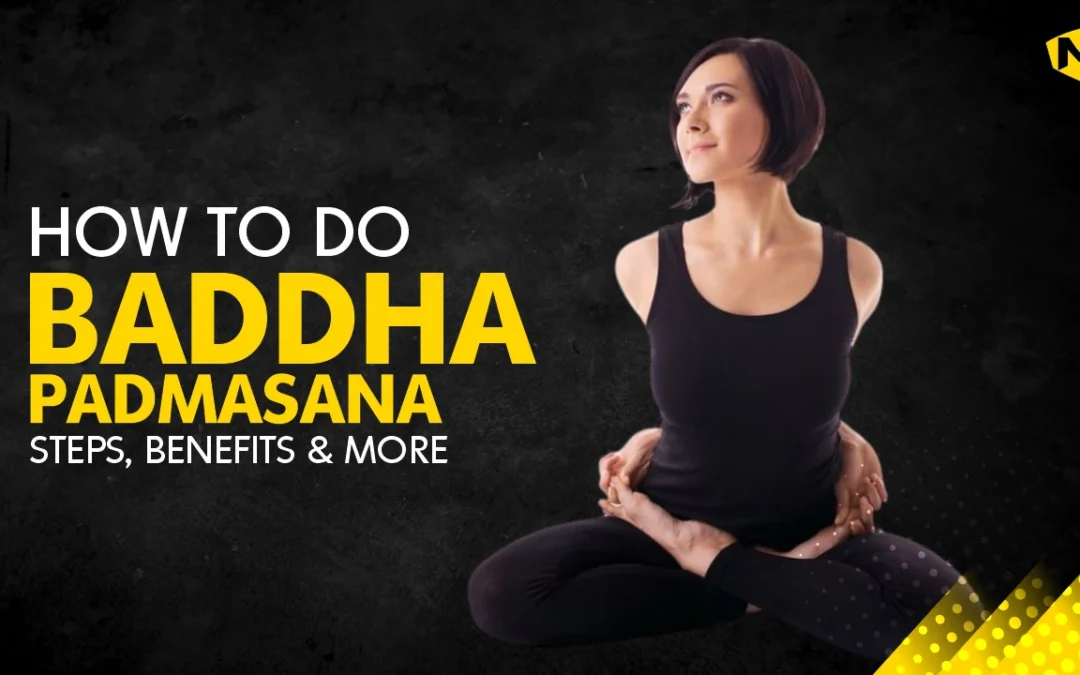
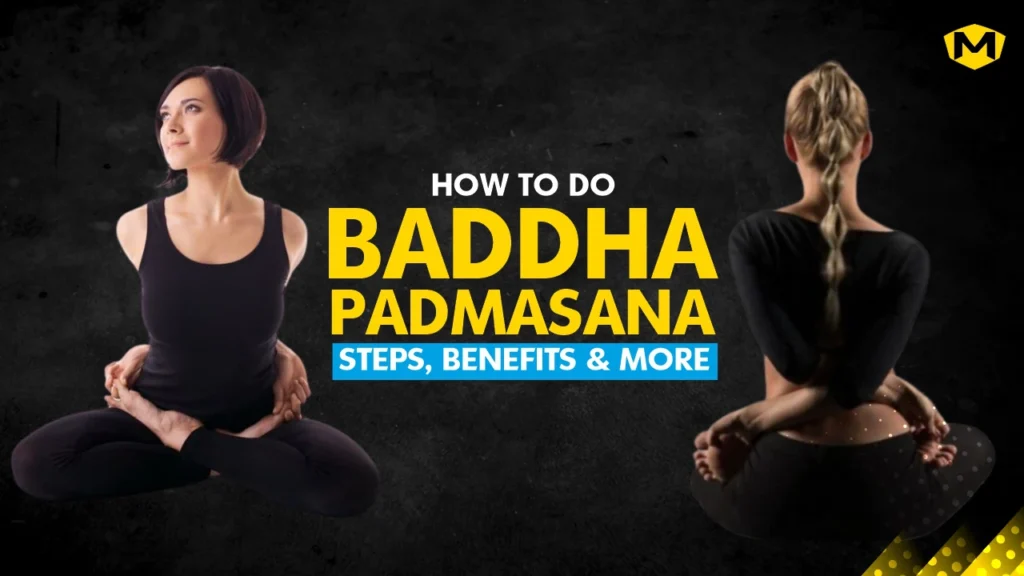
How to do Baddha Padmasana: Steps, Benefits & More
Welcome into the world of Baddha Padmasana, also known as the Bound Lotus Pose. So, what is Baddha Padmasana? The word “Baddha” means to be “bound” or “locked” in Sanskrit, and “Padmasana” refers to the Lotus Pose. So when done in the right form, it helps you to be in a deepened meditation and foster balance in the body and mind.
In this Article, let’s explore the steps to perfect this pose and discover the numerous benefits it offers, from mental clarity to physical alignment.
Baddha Padmasana Steps: A Simple Guide
At first, mastering this pose might seem challenging. With patience and practice, you’ll be able to achieve this beautiful and powerful pose.
Step 1: Find Your Foundation
Start by sitting in a comfortable position. Begin with Sukhasana, or Easy Pose, where your legs are crossed and your sit bones are grounded. Take a moment to focus on your breath, ensuring that your spine is elongated and your body feels centered.
Step 2: Bring Your Legs into Lotus
To move into the Bound Lotus Pose, slowly bring your right foot onto your left thigh with the sole facing upward. Next, place your left foot onto your right thigh in a similar manner. If this is too difficult, begin with Half Lotus, where one foot is placed on the opposite thigh and the other underneath the opposite knee.
Step 3: Clasp Your Hands
Reach your arms behind your back and clasp your hands together. You can also use a cloth/towel as support for your hands. This step may feel intense at first, so if it’s too difficult, simply rest your hands on your knees.
Step 4: Lengthen Your Spine
As you inhale, lengthen your spine, lifting through the crown of your head. Keep your chest open and shoulders relaxed, allowing your neck to remain long and free from tension.
Step 5: Hold and Breathe
Hold the pose for 3-5 deep breaths. As you inhale, feel the energy rise through your spine, and with each exhale, sink deeper into the pose. Focus on maintaining a steady, smooth breath throughout your practice.
Step 6: Release with Care
To exit the pose, gently release your hands and slowly unwind your legs from the lotus position. Take a moment to stretch your legs and notice how your body feels after holding Baddha Padmasana.
(Disclaimer: It is highly recommended to consult with a certified trainer before beginning any exercise program)
Baddha Padmasana Benefits: Why You Should Practice It
Practicing regularly offers a variety of physical and mental benefits that contribute to overall well-being.
Improves Flexibility:
The posture stretches the hips, groin, and knees, that help in flexibility to the lower body. If you have arthritis in any joint of the body, this asana can help you to get relief from pain. However, if your pain worsens while doing this, you should consult a doctor.
Promotes Spinal Alignment:
Baddha Padmasana helps in building an upright posture. It helps to align the spine and improve posture over time.
Enhances Mental Clarity:
This seated posture creates a sense of stability and grounding. It also helps to give a mental clarity and focus, especially when used as a preparatory pose for meditation.
Opens the Chest:
The hand clasping behind the back stretches the chest and opens the heart. This encourages deeper breathing and better lung capacity.
Reduces Stress and Anxiety:
Baddha Padmasana calms the nervous system. So it helps alleviate stress and anxiety. This would make it an excellent practice for mental relaxation.
Improves Concentration:
This pose creates mindfulness, helping them to have a deeper connection to the present moment. This improves your concentration levels over time.
Baddha Padmasana Steps and Benefits Combined
When you combine the steps with its benefits, you unlock a practice that brings both physical and mental transformation. As you follow through these steps, you begin to experience a deeper sense of calm and focus.
Whether you’re using the pose to prepare for meditation or simply as a way to center yourself during your yoga session, the benefits of Baddha Padmasana is to be known
In Conclusion: Mastering Baddha Padmasana
By adding Baddha Padmasana into your yoga practice, it definitely helps you in your growth. With regular practice, this asana can help achieve a greater sense of peace, focus, and alignment. You will also develop the strength and clarity needed to deepen your yoga journey.
So, if you’re wondering what Baddha Padmasana is, how to do it, or the benefits it can bring, remember that every step you take on this path brings you closer to a more balanced and harmonious practice.
Ready to enhance your yoga journey? Join MultiFit today and experience expert-guided sessions that incorporate poses like Baddha Padmasana to help you achieve your fitness and wellness goals. Sign up now and take the first step towards a healthier, more balanced life.
by indigiseo | Mar 4, 2026 | Aasan
10 Reasons Why Janu Shirshasana Eases Tension and Boosts Flexibility
Your body demands relief when you finish a busy day working at a desk or commuting.
Seated stretch therapy creates a two-fold benefit because it alleviates back tension and promotes mental serenity.
The Head on Knee Pose known as Janu Shirshasana serves as a response to your present need. The gentle forward stretch provides both physical and mental relief which helps people rest from daily stress.
Understanding Janu Shirshasana (Head on Knee Pose)
One of classical Sanskrit origins the term Janu Shirshasana draws its names from ‘Janu’ for ‘knee’ while ‘Shirsha’ indicates ‘head’ and ‘Asana’ represents ‘pose’.
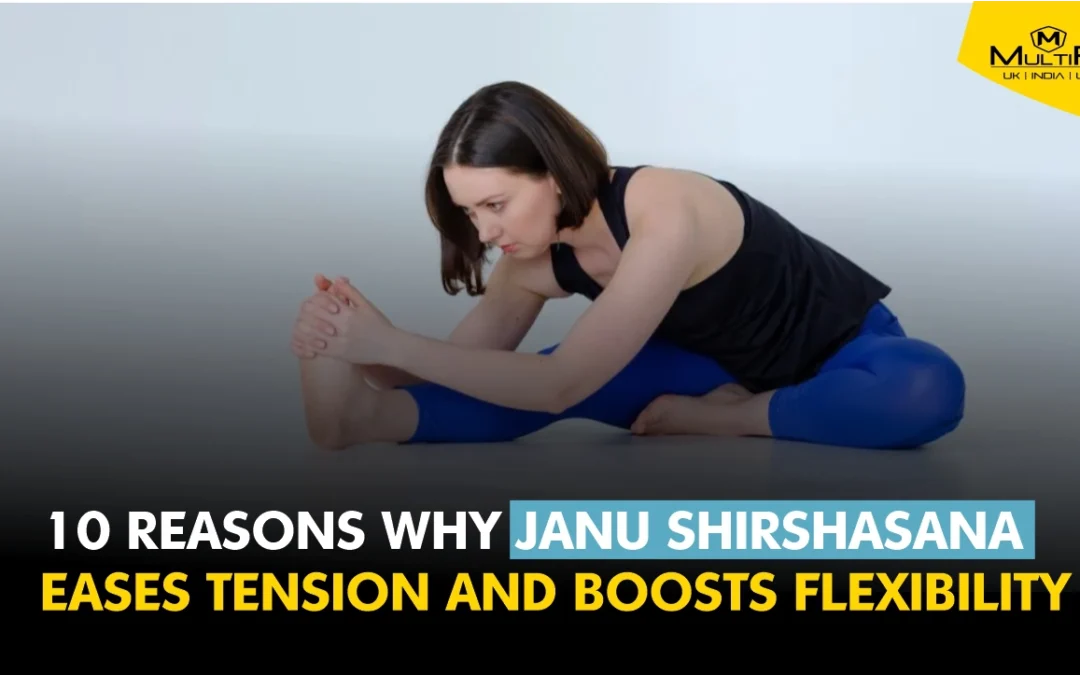
Thus Janu Shirshasana consists of a seated forward bend with extended leg along with bent knee bringing the head close to that knee.
New practitioners can approach this pose easily because it provides significant advantages through repeated practice.
Benefits of Janu Shirshasana
1. Enhances Flexibility
Through regular practice of Janu Shirshasana the hamstrings together with the calves and lower back muscles become stretched which leads to improved flexibility. The extended flexibility brought by this pose allows people to move more easily and limits their chances of experiencing injuries.
2. Strengthens the Spine
The forward bending position in this posture extends and fortifies the spine structure which results in decreased back tension and enhanced body position.
3. Stimulates Digestive Organs
When performing Janu Shirshasana the body compression activates a digestive organ massage that supports their operation and leads to better digestion.
4. Calms the Mind
Deep breaths with steady inhalations become possible in this pose which helps people achieve meditative states while reducing their stress levels. Post-hectic days this position effectively helps people relax.
5. Relieves Menstrual Discomfort
Regular practice of Janu Shirshasana through female bodies can soften menstrual discomfort and pelvic tension while stretching those areas.
6. Improves Circulation
This pose performance brings improvement to pelvic region blood flow which results in better body circulation for increased vitality.
7. Boosts Mental Clarity
True concentration and mental clarity develop through breath awareness along with proper alignment practice during Janu Shirshasana because it creates a mindful state of mind.
Importance of Janu Shirshasana
The various benefits of Janu Shirshasana create its significance as a yoga pose. Through its stretching and muscle strengthening effects the pose gives physical benefits and establishes mental relaxation.
Practicing this pose brings multiple advantages that improve both posture and digestion along with mental calmness.
How to Perform Janu Shirshasana
Dandasana (Staff Pose) represents the starting position where you should sit with legs outstretched facing forward.
Gently pull the left foot to position it against your right thigh inner surface.
Lift your hands above your head as you lengthen your backbone during inhalation.
During exhalation slowly bend at your hips to lower yourself forward over the extended right leg while maintaining a straight spine position.
This pose needs to be sustained from 30 seconds to 1 minute while deeply breathing.
Complete the move again by starting over in the beginning position then move between legs.
Precautions and Modifications
Use Props: If you have tight hamstrings, sit on a folded blanket or use a strap around the foot of the extended leg to avoid strain.
Avoid If Injured: Individuals with knee, back, or spinal injuries should consult a healthcare professional before attempting this pose.
Listen to Your Body: Never force the stretch; go only as far as comfortable to prevent injury.
Conclusion
Practicing Janu Shirshasana daily brings both mental tranquility and various body advantages.
With its gentle yet potently beneficial nature this stance provides users a practice method to manage back tension and digestion and achieve mental clarity.
Accept the Head on Knee Pose to develop your physical and mental well-being and create a state of equilibrium and calmness in your life.
FAQ’s
Can beginners practice Janu Shirshasana?
Starting practitioners can perform this position. The practice can begin through uses of props which include blankets or straps to establish a safe entry point.
How long should I hold the pose?
Each side of the posture should be held between 30 seconds and 1 minute while focusing on deep breathing.
Is Janu Shirshasana beneficial during menstruation?
The practice of this pose enables reduction of menstrual symptoms through gentle stretching of the pelvic region.
What muscles does the pose target?
This pose extends both the hamstrings and calves as well as spine and shoulders and groins to improve flexibility and build strength.
Who should avoid this pose?
People with knee, spinal or back injuries need to stay away from this pose yet consulting medical experts offers an alternative for practice.

by indigiseo | Mar 4, 2026 | Aasan
10 Benefits of Siddhasana gives a Balanced Life
In our fast-paced lives, finding moments of peace is essential. Siddhasana, or the Accomplished Pose, offers a path to that serenity.
Siddhasana extends beyond basic leg positioning because it leads people toward earth connection while improving concentration and fostering complete health.
What is Siddhasana?
Sanskrit defines Siddha as an accomplished state while Asana represents posture which becomes Siddhasana – a traditional seated yoga position designed for meditation purposes.
Professionals advocate the meditation pose for people who want to advance their meditation skills due to its stability benefits.
For beginners Siddhasana exists in a simpler form named Ardha Siddhasana since beginners along with people who experience flexibility constraints can practice it.
How to Do Siddhasana Step by Step
- Choose a Floor Position by Sitting with Legs Extended Forward While Using a mat or cushion for Additional Comfort.
- A yoga mat or cushion should be used to increase comfort during the exercise.
- Bend the knee of your left leg to bring your heel toward your perineum.
- Place the right knee bent to rest the heel next to the left ankle while it lines up with the pubic bone.
- Curl both knees towards the floor without straining at the point where the ankles are tucking comfortably.
- You should hold your hands on your knees while facing the palms either upward or using selected hand positions.
- Position yourself with your back straightened and your shoulders without tension while maintaining forward gaze or keeping your eyes shut.
- Breathing deeply allows maintenance of the posture position for a short period.
10 Benefits of Siddhasana
- Siddhasana practice maintains body posture through its regular practice which minimizes spinal and neck stress.
- Regular practice of Siddhasana helps improve flexibility through its effects on stretching the hips and knees and ankles.
- The contact of Siddhasana on the abdomen stimulates digestive organs and relieves symptoms of bloating.
- This meditation pose helps both mental and emotional relaxation because breathing and posture become primary areas of focus.
- Through this pose practitioners enable their bodies to balance their energy flow thus improving their vitality.
- The pelvic area receives stimulation through this position that may create beneficial effects for the reproductive organs.
- Siddhasana provides stability by practicing meditation because of its solid position.
- A consistent practice of this posture leads to better concentration capabilities.
- The relaxed posture allows people to decrease their physical and mental fatigue.
- Siddhasana stands as an important posture for spiritual development along with inner peace experiences.
Siddhasana vs. Ardha Siddhasana
The complete Siddhasana requires both heels to rest on the perineum yet Ardha Siddhasana features one active heel next to the perineum with the other foot under the opposing thigh.
Beginners with restricted flexibility as well as individuals with limited strength can perform this modified version of Siddhasana to acquire comparable benefits without experiencing high levels of discomfort.
Precautions and Tips
Avoid if Injured: Individuals with knee, ankle, or hip injuries should refrain from this pose.
Use Props: Beginners can use cushions or folded blankets under the hips for added support.
Alternate Legs: Regularly switch the crossing of legs to maintain balance in the body.
Consult a Professional: If unsure about the posture or experiencing discomfort, seek guidance from a certified yoga instructor.
Conclusion
Siddhasana practice in daily life brings significant changes to your health. Siddhasana develops your mind to become clear and stretches your body while helping your spirit grow stronger.
You should dedicate a short time to this practice during your first days before acknowledging the major changes it produces in mental and physical states.
by indigiseo | Mar 1, 2026 | Aasan
10 Benefits of Simhasana You Need to Know for the Mind, Body and Soul
Have you ever asked yourself why your jaw is tight after a long meeting or your voice is stuck when you are nervous?
I felt the same way like you did, until I found simhasana.
It is an easy yoga pose, which can release tension on our face, relieve our breathing, and make us feel more confident, and this can take only several minutes a day.
Want to know more how this single pose can lead to a sharp difference? Reading on, you will find all the necessary steps, pointers, and hidden benefits of the simhasana in detail.
What is Simhasana Yoga?
Simha is the Sanskrit meaning of lion and asana is the Sanskrit meaning of posture.
Hence, it is literally lion posture yoga.
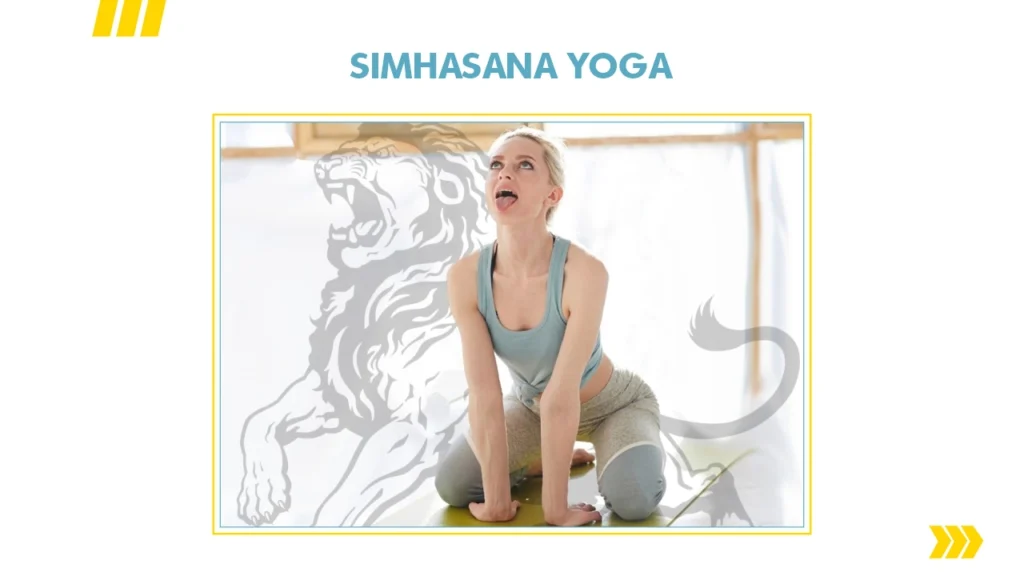
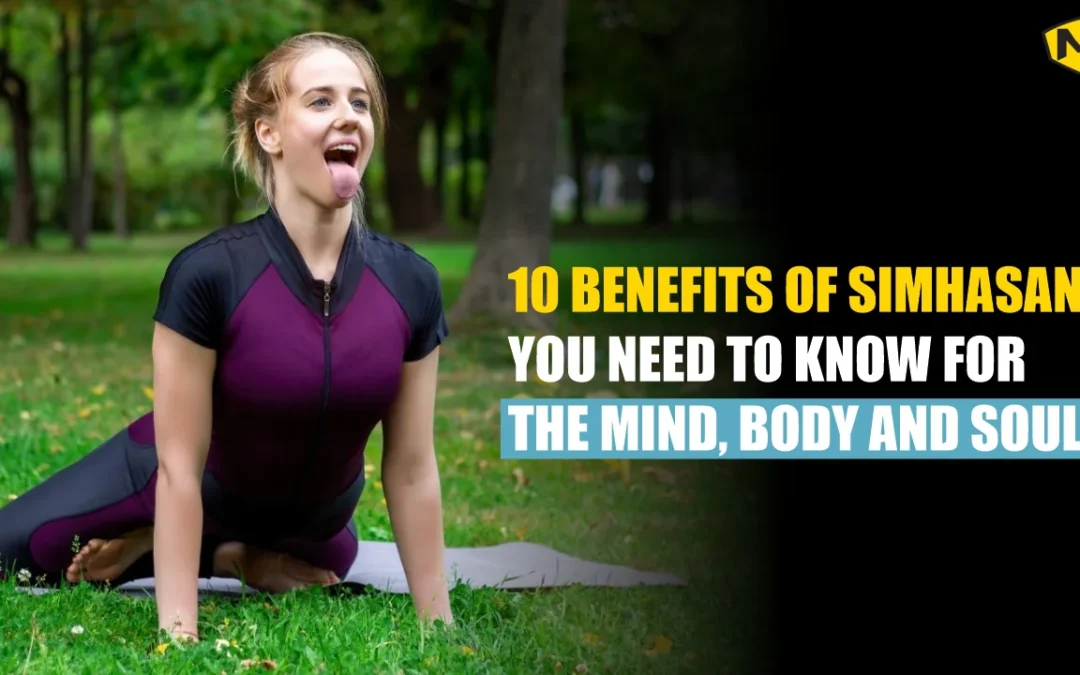
You kneel, rest on your heels, put your hands on your knees, wide open mouth, tongue out, face forward, or up, and breathe loudly–like a roar of the lion.
It is sort of a short face-and-spine stretch-stretch combined with a press-release of your stress. It is simple to figure out and pleasant to train even to those with little experience. You can also combine with Vajarasana and Padmasana to this pose for more stretch and flexibility.
Benefits of Simhasana
1. Relaxes facial and throat muscle tension
When we make a truly “wide-mouth, wide-open” roar, we engage the throat muscles as well as the muscles of the face, savoring a release of the tightness in the jaw, closed cheeks, and neck tension that we often feel after too much time in front of a screen.
2.Enhances vocal clarity
Stretching out the muscles of the throat can help support the articulation and projection of the voice much like yoga for singers, presenters, educators, etc.
3.Improves posture, spinal and upper torso stretch
The forward lean opens the chest area and supports the alignment of your spine. Great after leaning forward over your device.
4.Releases tension in the low back
This pose helps you strengthen spinal alignment and relax tightly contracted musculature in the low back, especially nice relief after long periods of sitting.
5.Calms the nervous system
This large exhalation clears out carbon dioxide and restores the heart rate and breath rhythm.
6.Stimulates throat (and maybe thyroid)
The pose compresses, stretches, and engages the throat to improve circulation in the area, often mentioned in articles on vocal health and entire body types are advised for thyroid health.
7.Improves mood and certainty
It might be a little silly at first, but it will help to clear your self-consciousness and get your energy moving.
8.Provides circulation support to the face
The face engagement helps with blood flow to the skin—supporting healthy skin and glow.
9.Aids digestion
The gentle forward movement of the torso massages the belly, sometimes connected to improved digestion and gut-peristalsis.
10.Eases stress and anxiety
That deliberate “haa” is a release of breath when we usually have expelled pent-up emotional stress, a calming and balancing effect for our thinking.
Simhasana Steps
Here’s a clear, quick guide on how to do simhasana step by step:
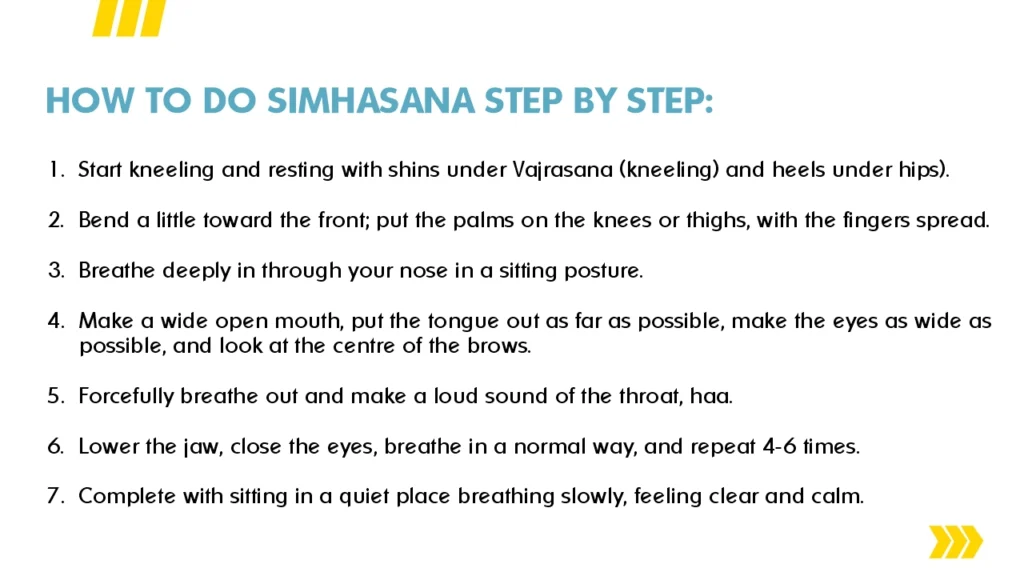
- Start kneeling and resting with shins under Vajrasana (kneeling) and heels under hips).
- Bend a little toward the front; put the palms on the knees or thighs, with the fingers spread.
- Breathe deeply in through your nose in a sitting posture.
- Make a wide open mouth, put the tongue out as far as possible, make the eyes as wide as possible, and look at the centre of the brows.
- Forcefully breathe out and make a loud sound of the throat, haa.
- lower the jaw, close the eyes, breathe in a normal way, and repeat 4-6 times.
- Complete with sitting in a quiet place breathing slowly, feeling clear and calm.
All of those steps have their own bonus: posture, control of breathing, emotional discharge so that you feel it from head to toe.
When & How Often to Practice
Morning wake-up: Do 4–6 rounds to energize your face, throat, and mind.
Midday reset: Try it before calls or presentations to calm nerves and boost confidence.
Evening unwind: Use 2–3 rounds to ease tension after a day of sitting or screen time.
There’s no need to hold more than a minute per round. Just a few minutes a day gives noticeable benefits.
Tips & Precautions
Keep it gentle, don’t force your tongue or open your jaw too wide.
Use cushions if kneeling hurts.
Avoid it if you have jaw pain, neck injury, uncontrolled high blood pressure, or recent eye surgery.
Skip post-meal; do it on an empty belly.
Stop if light‑headed; return to calm breathing.
Conclusion
But, in case you are seeking a faster, simpler way of feeling good both emotionally, physically and mentally, then you should attempt the benefits of simhasana everyday.
It provides relief on the posture, supports the voice, relieves on body stress and elevates mood. You can do it without special equipment or requiring hours and hours of time.
Only several roars are needed to wake you up and calm you down to become stronger. Wait a second (give your inner lion a moment) and see how a simple lion posture yoga can make you look and feel like the best and brightest version of yourself.
FAQ’s
What are simhasana steps and benefits for vocal training?
The roar eases out vocal chords and strains throat muscles. It makes you feel you can breathe more freely, assisting in making speech more clear and audible to any speaker or singer.
How does lion posture yoga help with stress?
CO2 breath causes the exhalation to slow down the heart and the breath. It is a stress reliever and it is inbuilt.
Who should avoid it?
Check with a physician first if you have TMJ problems, large thyroid nodules, uncontrolled high blood pressure, neck/back injuries, or you have had surgery on the area around the eyes..
How long should I hold each roar?
Normally until you have exhaled fully–approximately 3 -5 seconds. Then breathe in and repeat again. Duration of practice: less than 2 minutes is enough.
Does it help digestion?
The forward shift activates the shrinking of the belly with gentle massage which can also activate bowel movement: lots of people feel it relieves bloating and slow bowel movements.
by indigiseo | Feb 28, 2026 | Aasan, Blog, Exercises, Health, Pranayama
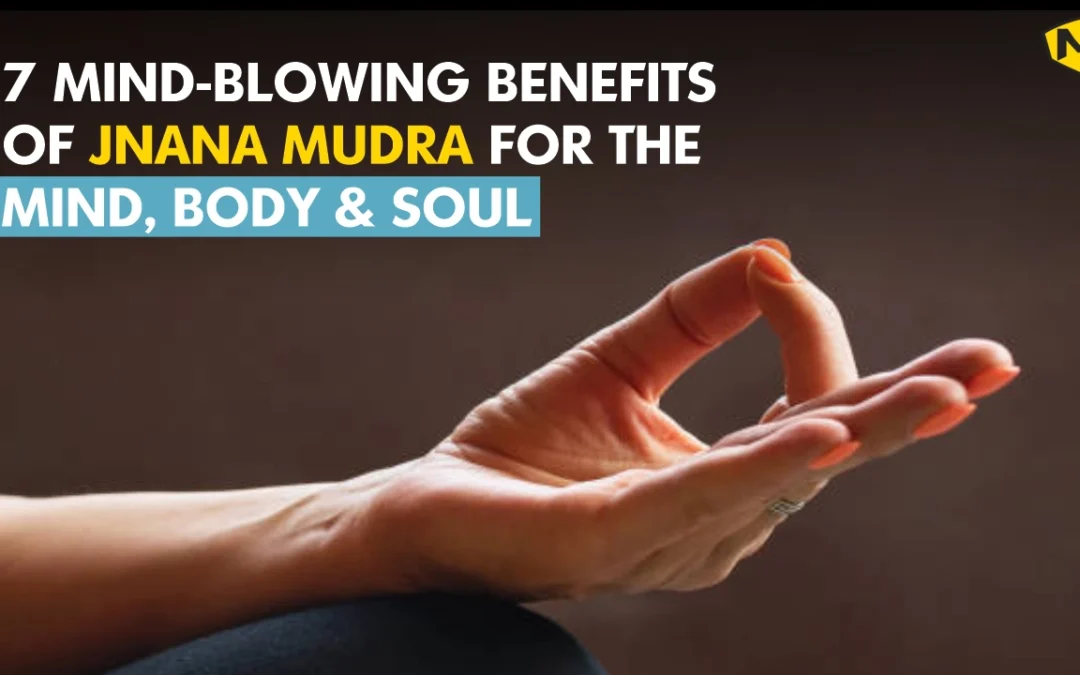
7 Mind-Blowing Benefits of Jnana Mudra for the Mind, Body & Soul
Have you ever felt overwhelmed with stress or found it hard to focus when life picks up speed?
I sure have. A simple hand position, jnana mudra benefits can help you regain clarity, calm, and well-being.
Less than two minutes with this hand position, will help you feel grounded and ready to engage in life in a more positive, fruitful way.
So, let’s dive in deep on what Jnana Mudra is all about.
What is Jnana Mudra and How to Do It?
The term jnana mudra means by having wisdom, that is, ‘jnana’ refers to ‘wisdom’ and ‘mudra’ refers to ‘gesture’.
It is also referred to as the gesture of knowledge.
How to Do it?
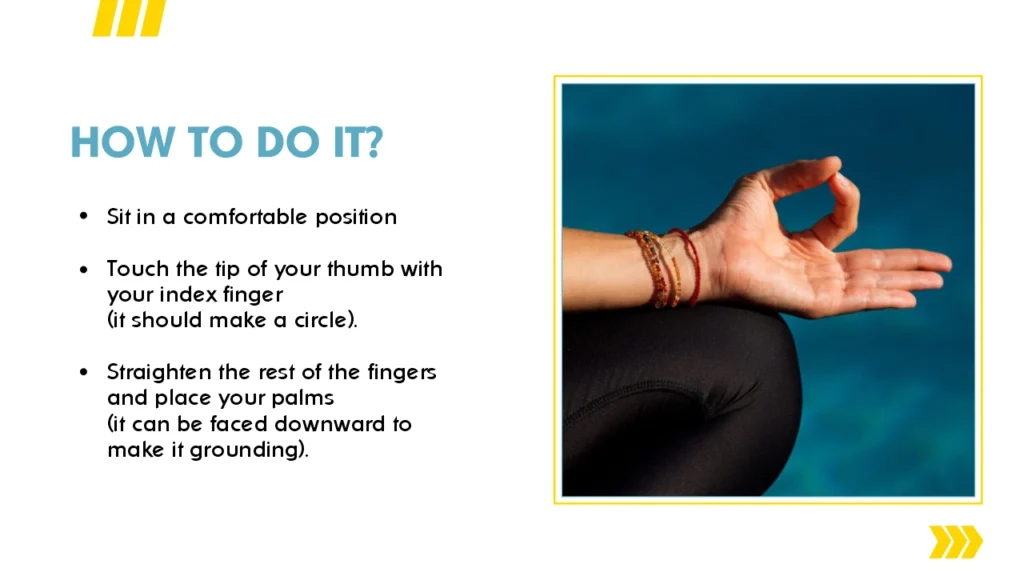
- Sit in a comfortable position
- Touch the tip of your thumb with your index finger (it should make a circle).
- Straighten the rest of the fingers and place your palms (it can be faced downward to make it grounding).
The thumb represents universal consciousness and the index finger is your self-bringing them together represents unity of the inner and outer worlds
Deep Dive into jnana mudra benefits
Increased Focus & Concentration
It establishes a “pranic circuit”, a circulation of life‑force energy within. That assists your brain in remaining more aware and relaxed.
Taming the Mind
Experience more consistent thinking and stop overthinking. After only a few minutes, practitioners report a silent mind space.
Improved Memory
Doing it 15 minutes a day can help the memory more than caffeine (with no crash!).
Anxiety and Stress Relief
This action relieves stress on the mind. It is subtle, but the change is real with time.
Better Sleep
A lot of users claim that they experience reduced night time tossing and turning when they use it prior to sleep.
Spiritual Connection
The gesture reminds of our inner side and universal run. It is based on the jnanayoga meaning, the yoga of knowledge and wisdom
Improved Communication & Peace
According to one of the studies, when hands take this position, peaceful energy just radiates, and interactions become easier
How to Practice for Maximum jnana mudra benefits
When To Do It
Perfect when meditating, studying, in a stressed situation or even before bedtime- 3 times a day shows results
How Long
Novices begin with 5 minutes. Increase slowly to 15-30 minutes to derive maximum benefit.
Optimal Sitting Position
Sukhasana (easy seat), padmasana (lotus), or even a chair, just sit up but relaxed
Breathing Tips
Breathe in and out through your nose slowly. There is no effort to be made, simply observe the breath.
Linking to jnana yoga meaning and what is jnana yoga in hinduism
Jnanayoga is the way of knowledge by employing study, contemplation and intuition in realizing our real nature. In Hinduism, it is one of the four primary yogas. It makes us doubt appearance and withdraw into ourselves to seek reunion with the divine. We manifest that awareness in everyday life through such tools as jnana mudra benefits.
Troubleshooting & Tips
Tired or stiff hands?
Warm up your fingers by bending and straightening them. Then be smooth into the gesture.
Which way do the palms face?
With palms down it is grounding (jnana mudra). Palms up move to receptivity (chin mudra)
Fingers not staying touching?
Instead, beginners can touch the thumb to the center of the index finger, it seems more secure.
Conclusion
There are no specific instruments or long practices required: the jnana mudra advantages are in its simplicity. Even a few minutes a day will give you an opportunity to open a door to clearer thinking, inner peace and greater presence. It connects wonderfully with yoga definition and advantages, and brings you to harmony in mind, body and spirit. And, it connects with the core of jnana yoga meaning. Will you do it now, just as I have suggested, finger tips together, breathe in consciousness, breathe out strain, and discover how this little action can transform your world.
Frequently Asked Questions
Can children practice it?
Yes, it is mild and harmless. It is simple, just touch your finger and thumb, and hold it a few minutes to make you feel calm.
Are there any side effects?
None known. Only avoid it when you have injuries on the wrist or finger.
How is it different from Chin Mudra?
Chin mudra is nearly the same shape, but with palms up – resulting in a greater receptivity. jnana mudra is enhanced by palms down -more grounded and introverted.