by indigiseo | Mar 5, 2026 | Exercises
How to Do Shoulder Taps: Benefits, Variations, and More
Shoulder taps are an impactful exercise for your shoulders.
It’s a fun variation of plank exercise. You basically improve your muscle strength and flexibility.
In this article, we’ll go through what shoulder taps are, shoulder taps benefits, and the effect the exercise gives, and a step-by-step guide on how to do shoulder taps.
What are Shoulder Taps?
They are also known as shoulder touch or shoulder press. This exercise requires you to touch/tap your shoulders with your hand.
You will most likely encounter this exercise in yoga, pilates, or weight training to increase shoulder mobility, strength, and flexibility.
How to Do Shoulder Taps?
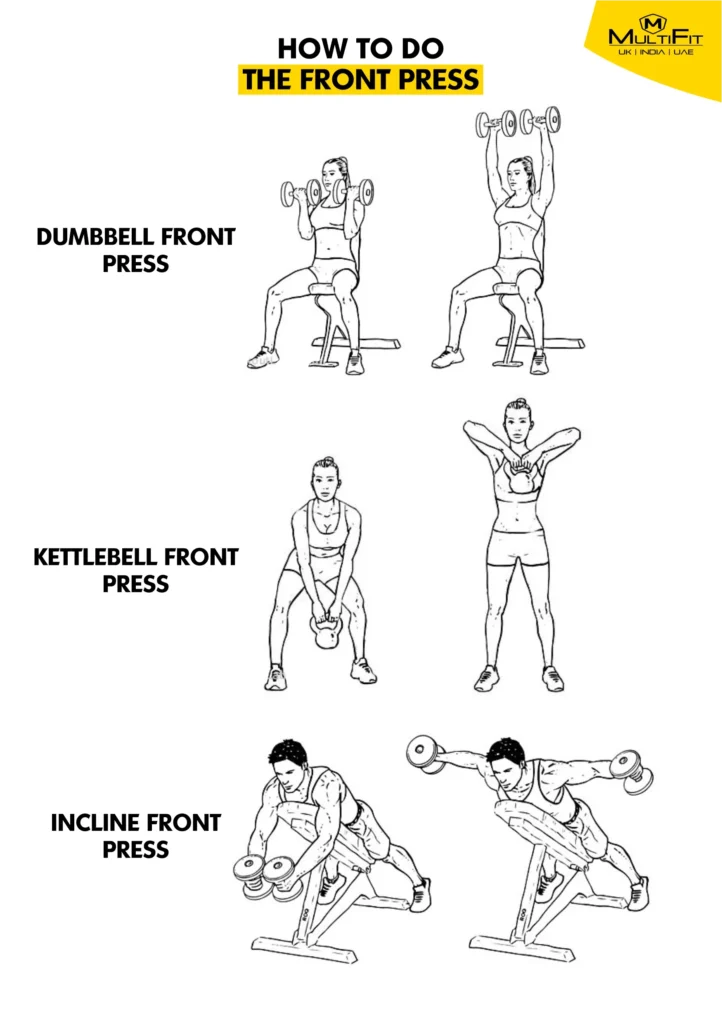
1. Stand or sit with arms at your side.
2. Raise arms out to the side, keeping them straight until shoulder height.
3. Tap shoulders with hands, keeping arms straight.
4. Return arms back down to starting position.
5. Repeat 12-15 reps, aiming for 3-4 sets.
Shoulder Taps Benefits
Here, we’ll discuss the different benefits of shoulder taps.
– Improved shoulder mobility and flexibility
– Enhanced athletic performance, particularly in sports that involve throwing, lifting, or overhead movements
– Reduced risk of shoulder injuries, such as rotator cuff strains or tears
– The whole body is being utilized, so you build endurance and strength.
Variations of Shoulder Taps
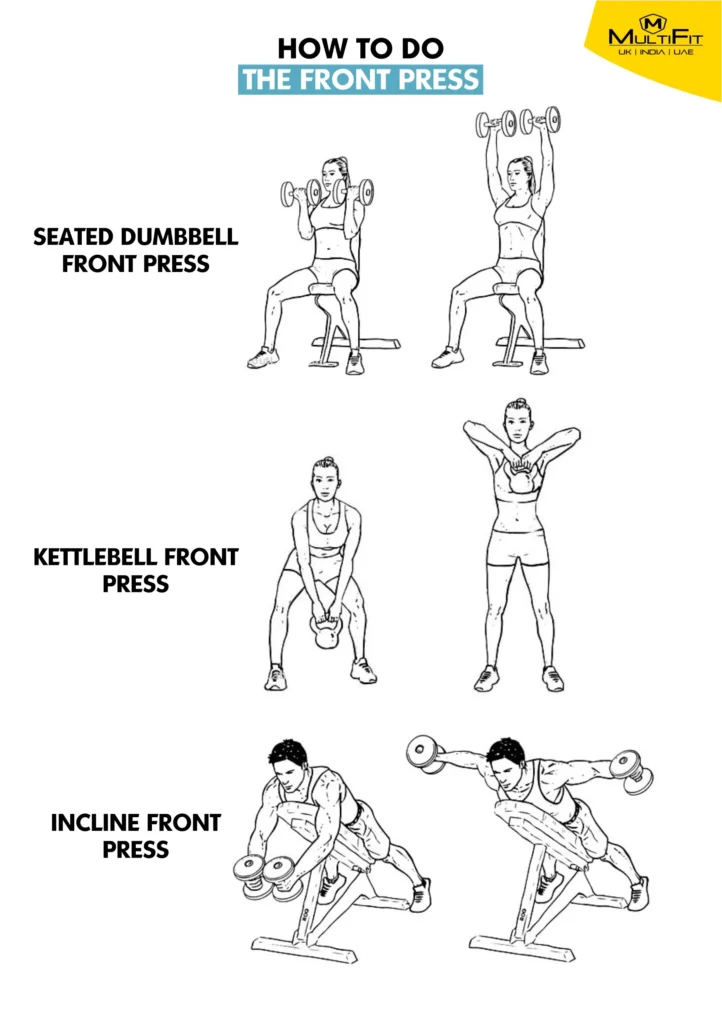
1. Tabletop shoulder taps: Tabletop shoulder taps are an easier variation of shoulder taps. With tabletop shoulder taps, you do the shoulder taps but in a tabletop position instead of plank position.
2. Bear crawl shoulder taps: Bear crawl shoulder taps are a tougher variation of the tabletop shoulder taps. With bear crawl shoulder taps, you get into tabletop position and keep your knees off the ground for the entire duration of the shoulder taps exercise. It’s also known as panther shoulder tap.
3. Elevated shoulder taps: A tough version of shoulder taps. With elevated shoulder taps, you put your feet on a box to elevate your body and perform the shoulder taps in a plank position.
Are Shoulder Taps Effective?
Are shoulder taps effective?
Yes, this exercise increases shoulder strength, shoulder range of motion, and shoulder flexibility.
Incorporating shoulder taps into your exercise routine will enhance athletic performance, reduce the risk of shoulder injuries, and promote shoulder health.
What Muscles Do Shoulder Taps Work?
You’re engaging your shoulder muscles—the deltoids, trapezius, and the rotator cuff muscles.
These shoulder muscle groups work together for optimal mobility and function of the shoulder joint. By doing this move, you’re stimulating and strengthening the muscles for proper use and sustainability.
Conclusion
Shoulder taps is a fun yet challenging exercise which you can add to workout plans.
You would not be needing any equipment, so it’s simple to do.
By learning the muscle groups involved and the efficiency of this exercise, you can improve your shoulders. So why not try out shoulder taps then?
FAQ’s
Can I do shoulder taps with weights?
Yes, you can do the exercise, like with dumbbells or resistance bands. But, start with light weights and slowly increase the weight you take when you build strength and endurance.
Are shoulder taps suitable for beginners?
Beginners can also do shoulder taps too. They are simple to do and you can perform it anywhere. It can also be adjusted to the individual’s fitness level.
Can shoulder taps help improve posture?
Yes, shoulder taps are effective in enhancing good posture since it works on the muscles around the shoulders as well as improves the range of motion of the shoulders.
by indigiseo | Mar 5, 2026 | Exercises
Your Go-to Guide for Reverse Fly Exercise: Muscles Worked and More
Have you ever seen your profile and noticed that you have shoulders hunched over?
To the best of us it happened after a day at a desk or floating hunched over our phones.
That is where the reverse fly exercise muscles worked out to be your best friend. It is easy, effective and it does not correct the problem most of us overlook initially; our upper back strength and posture.
No barbell, no weights, no fancy equipment.
All you really need is the wherewithal to move and do it in the correct form. After trying it, you will understand how a simple step may help you look, feel, and carry yourself differently every day.
What Is the Reverse Fly?
The reverse fly is a strength exercise that targets your back muscles and also the shoulders particularly the back deltoids.
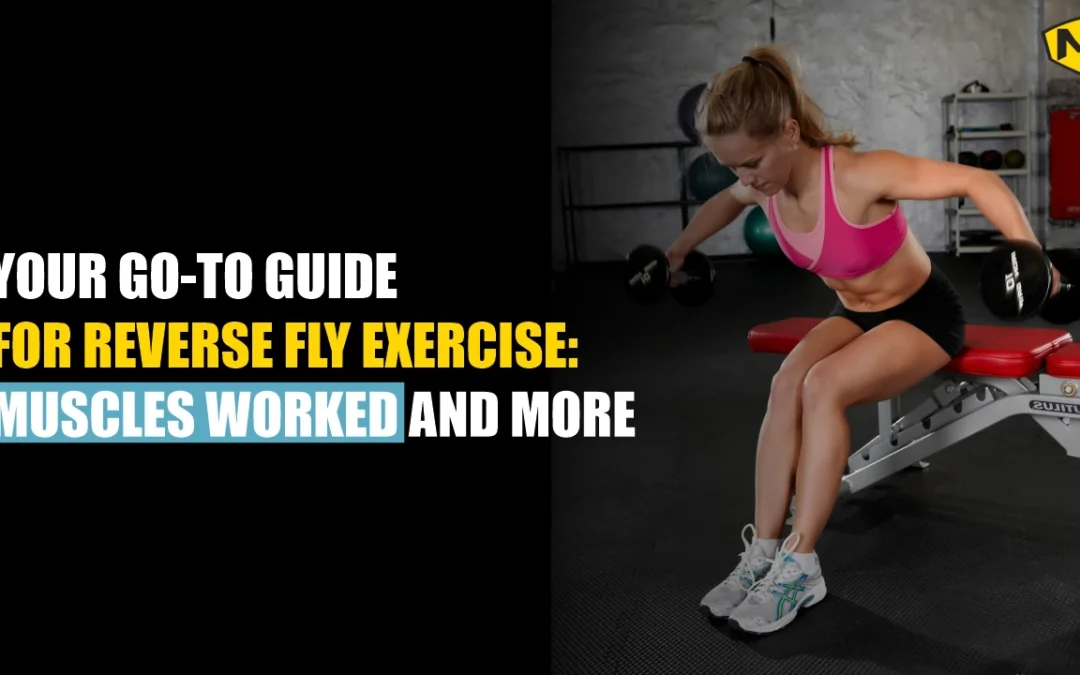
It is also referred to as the bent over lateral raise, and involves bending a little bit at the hips then extending the arms out toward the sides in a wing-like motion.
This can be performed with dumbbells, resistant bands, cable, and even on a reverse machine fly exercise.
It seems easy yet when performed correctly it develops proportion in your upper body, prepares your better posture and helps to alleviate shoulder injury.
How to Do the Reverse Fly with Dumbbells?
The reverse flys workout is the easiest version available and you will only need a pair of light dumbbells and proper form to be successful.
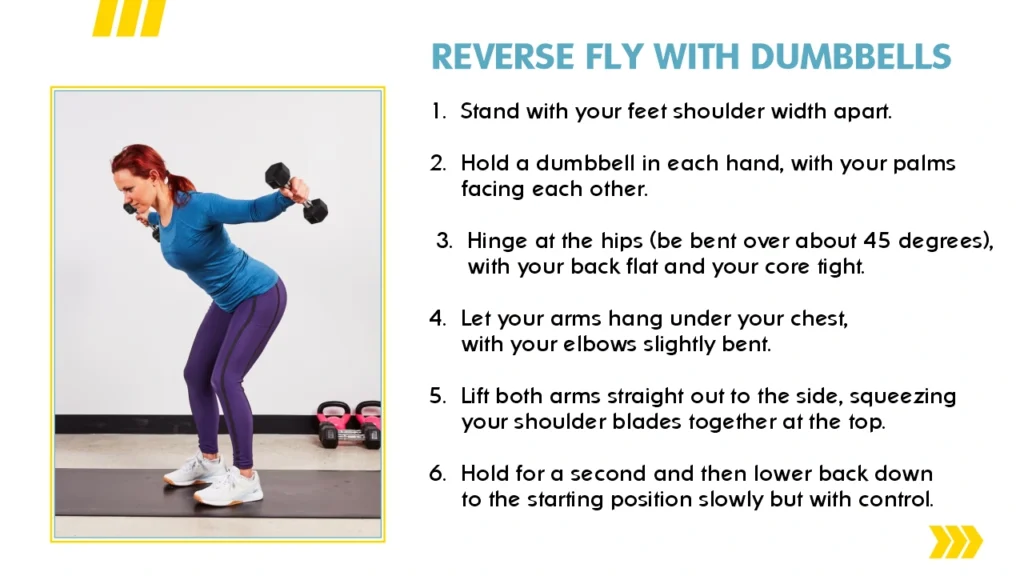
Steps:
- Stand with your feet shoulder width apart.
- Hold a dumbbell in each hand, with your palms facing each other.
- Hinge at the hips (be bent over about 45 degrees), with your back flat and your core tight.
- Let your arms hang under your chest, with your elbows slightly bent.
- Lift both arms straight out to the side, squeezing your shoulder blades together at the top.
- Hold for a second and then lower back down to the starting position slowly but with control.
Tips:
Go slowly and controlled, especially on the way down–this is the key.
Control your body: do not swing the weights as the weights should never be helping you.
Pick up light weights (2-5 kg) and build up as you get better control of your form once you start to get tired.
If you think about the motion, think about pulling with your shoulder blades and not pulling with your arms.
Reverse Fly Exercise Muscles Worked
Let’s break down the exact muscles you’re working during a reverse fly:
1. Rear Deltoids (Posterior Deltoids)
- The main muscle group targeted.
- Located at the back of your shoulders.
- Helps with shoulder movement and gives your shoulders a well-rounded look.
2. Rhomboids
- Found between your shoulder blades.
- Pull your scapula inward and help improve posture.
- Crucial for people with forward-rolled shoulders from sitting all day.
3. Trapezius (Middle and Lower Traps)
- These upper back muscles assist in scapular movement.
- Help control and stabilize the shoulder blades.
- Important for shoulder alignment and reducing tension in the neck.
- You can try the front press to target this muscle also.
4. Rotator Cuff Muscles (Infraspinatus & Teres Minor)
- Small but essential muscles that support your shoulder joint.
- Help control arm rotation and prevent injuries during movement.
- Especially active when you do slow, controlled reps.
- You can also try no-equipment exercise like the shoulder taps which also targets this muscle.
Why These Muscles Matter
The muscles that are exercised in these reverse fly are muscles that we normally do not exercise. Most of us already do lots of pushing exercise i.e. bench press or push-up type exercise that develops the front of the body. However, failure to pull enough or do pulling exercises such as reverse flys workout may cause that imbalance to:
- Rounded shoulders
- Poor upper back
- Impingement/pain of shoulders
- Poor posture
And that is why it is an exercise you should not avoid doing to make your upper body have a completely balanced, pain-free body, as well as how you move and feel about your daily activities.
Variations: Reverse Flys Workout
Seated reverse fly: Sitting reverse fly is a good exercise to support your lower back.
Resistance-band reverse fly an alternative: Band hook to fixed point, pull apart.
Incline bench reverse flyes: Lie on bench, face down, raise the hands to sides.
Reverse Machine Fly Exercise
The reverse machine fly, also called the reverse machine fly, is a more controlled, gym-based option. It’s excellent if you’re new to the move or want to isolate your rear delts with precision.
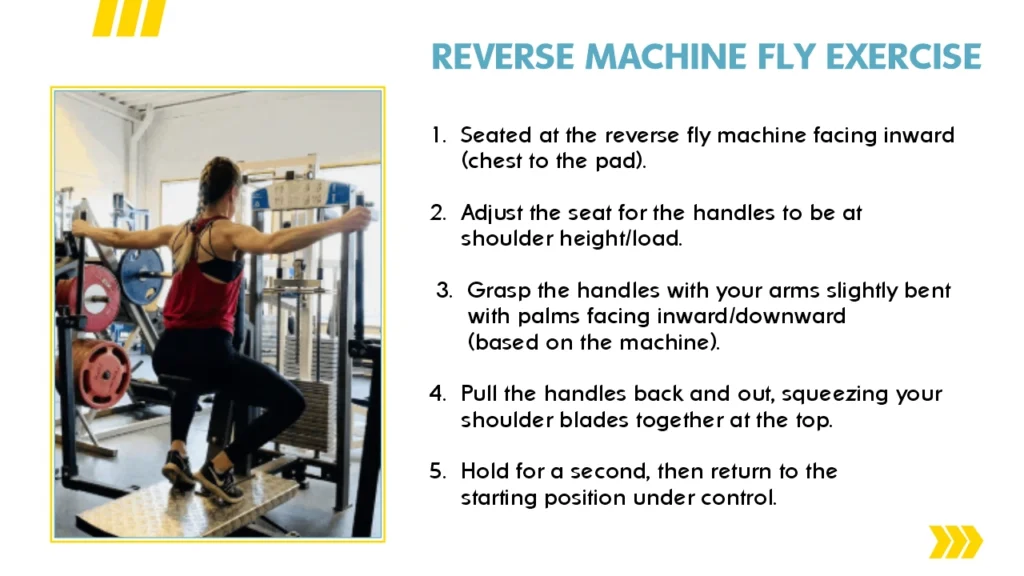
To do this exercise:
Seated at the reverse fly machine facing inward (chest to the pad).
Adjust the seat for the handles to be at shoulder height/load.
Grasp the handles with your arms slightly bent with palms facing inward/downward (based on the machine).
Pull the handles back and out, squeezing your shoulder blades together at the top.
Hold for a second, then return to the starting position under control.
Tips:
Don’t let the weights slam down, keep the movement smooth and under control.
Remember to focus on squeezing your upper back—not just pulling with your arms.
Start light, and perform 10–12 slow, focused reps.
Key Differences:
| Feature |
Dumbbell Reverse Fly |
Reverse Machine Fly Exercise |
| Equipment |
Dumbbells |
Machine (Pec Deck or Rear Delt Machine) |
| Stability |
Requires balance and form |
More stable, guided motion |
| Muscle Control |
More core and stabilizer engagement |
More isolation on rear delts |
| Learning Curve |
Slightly higher |
Beginner-friendly |
| Customization |
Easy to modify angles |
Limited to machine design |
Form Tips & Mistakes to Avoid
Keep your back straight, hinge at the hips, and brace your core.
Use lighter weights—go slow and controlled to squeeze the rear delts.
Don’t shrug—avoid letting the traps take over by keeping shoulders down.
Stay slow on the eccentric—lower arms with control instead of dropping them.
SAMPLE WORKOUT PLAN
| VARIATION |
REPS |
SETS |
NOTE |
| Dumbbell reverse fly |
12–15 |
3 |
Start light, hinge forward from hips |
| Reverse machine fly exercise |
10–12 |
3 |
Controlled motion, full scapular retraction |
| Resistance-band reverse flyes |
15–20 |
2–3 |
Great for home workouts |
How to Easily Add This to Your Week
Busy day? Do 1–2 sets after your main lift (like bench press).
Working from home? Stand up every hour and do a set or two.
Beginner? Start with bands and proper hinge form.
No machine? Use dumbbell or bench variation in its place.
Conclusion
Having sore shoulders and a hunch-kind of posture does not imply that you should be stuck like that.
The muscles involved in the reverse fly exercise will make up your routine and correct extensive shoulders, increase upper-back strength, and maintain healthy shoulders.
No need to have special moves, nor heavy weights, just consistency.
Use dumbbells, bands, or reverse machine fly, and you will feel your posture become better as well as the aches vanish. Tight shoulders and limited range of motions? Give yourself a present and make yourself stronger.
FAQ’s
Which is better, dumbbell or reverse machine flys?
Dumbells will provide greater stabilization, but your form is more likely to break; the machine will make sure that your movement is directed at the rear delts.
Can I do reverse flys workout daily?
On the one hand, yes, but on the other hand, don’t ignore your body. It is possible to work on the rear delts and upper back 2 or 3 times a week as they regain their strength very fast.
Do reverse fly exercises work facepull muscles?
They provide more or less the same areas (rear delts and traps), yet face pulls incorporate an extra benefit of external rotation, which is helpful in shoulder health.
Will this hurt my shoulders?
Not if form is correct, weight is light, and motion is controlled.If you experience painful stiffness, stop and seek help from an expert.
by indigiseo | Mar 5, 2026 | Health
Introduction
You might be hearing the term functional training very often in the world of fitness. It may sound fancy, but it’s basically getting fit for real life. You know that struggle of lugging groceries or hoisting yourself off the couch? Functional training is your superhero’s origin story for everyday tasks.
Instead of just pumping iron, you’ll be doing exercises that mimic your daily movements. Think squats for getting up and down easily, lunges for grocery runs, and pushes and pulls for, well, pushing and pulling things! It’s all about building strength, mobility, and power that translate from the gym to your everyday life.
But the benefits go beyond the physical. Functional training can leave you feeling like a total boss – conquering that to-do list with newfound energy. Plus, there’s a mental boost that comes from feeling strong and capable. It’s a win for your body, mind, and soul.
Functional training also helps in better:
- Flexibility
- Balance
- Endurance
In recent years, people all around the world have focused on functional exercises. The reason? Who doesn’t want to be strong and flexible in everyday life?
How Functional Training has Evolved?
Functional training has more tools now. Basics like medicine balls and dumbells are still used. However, there are new options:
- Slosh Pipes,
- Battle Ropes,
- Sandbags,
- Kettlebells
- Suspension Trainers
But can it be done at home? How much time does it take to see the results? Functional exercises can easily be done at home with minimal equipment. Exercises like squats, planks, step-downs, and step-ups need to be done five to six times a week to gain optimal results.
Benefits of Functional Training
Functional training is all about moving your body efficiently. Instead of just working on single muscles, it focuses on multiple muscle groups simultaneously. Some functional fitness benefits are mentioned below:
1. Better movements: Functional training is synonymous with doing exercises that emulate ordinary daily movements, such as bending down, lifting from the floor, pushing, pulling, and head rotations. This helps you move better in everyday activities.
2. Improved performance: Athletes use functional training to excel in their sports. It helps them move more effectively and efficiently during competitions.
3. Toned body: By engaging multiple muscles together, you can develop a leaner and more athletic physique.
4. Enhanced coordination: These interactive exercises help maintain coordination and mobility, leading to lesser traumas of the body.
5. Burns more calories: The extra amount of effort and muscle usemakes this form of workout more calorie-burning.
Top 5 Functional Fitness Exercises for Beginners
Some of the functional fitness exercises for beginners are mentioned below:
1. Squat: Squat is like sitting on a chair and then getting up. It’s a must-exercise for beginners to get into functional fitness.
2. Plank: Planking is great for mobility, balance, and strength. It requires all your muscle strength.
3. Row: Rowing is like pulling a heavy object out of your trunk, and it’s great for your back and arms.
4. Single-leg lift: The single-leg lift is all about boosting your balance, which can make everyday activities like walking easier and help prevent falls.
5. Downward-facing dog: The downward-facing dog yoga pose is fantastic for building strength to support your body weight.
Functional Fitness Equipment You Can Start With
If you are thinking that you need thousands of gym equipment to start functional training that’s not the case. You can start with simple yet best functional fitness equipment. Here are some of the fun beginner tools you can try.
1. Jump rope
2. Elastic bands
3. Pull-up bar
4. Dumbbells
Functional Fitness Training Programs by MultiFit
MultiFit provides a full-fledged Functional Fitness Training Program aimed at generating all-round strength, suppleness, movability, and flexibility. Such programs custom-fit people of all levels, from beginners to Olympic athletes.
1. Movement Checkup: Before starting, we check how well you move to see what needs improvement.
2. Tailored Exercises: Your trainer makes a special plan based on what we found, with exercises like squats, lunges, pushing, pulling, and turning.
3. Equipment Options: We have lots of tools to help, like bands, weights, balls, and more, for a great workout.
4. Expert Guidance: Seasoned trainers are in place to guide participants with appropriate form, technique, and progression to facilitate safe and successful workouts.
5. Progress Tracking: Continual evaluations and progress tracking let you follow the gains in strength, flexibility, and fitness level all around.
6. Group Classes and Individual Training: MultiFit provides both group functional fitness training programs, creating a vibrant workout atmosphere, and private fitness coaching sessions centered on individual planning and goal setting.
7. Nutritional Guidance: Alongside exercise workouts, MultiFit also provides nutritional guides that support individual health and fitness goals.
Conclusion
At MultiFit, we provide a complete fitness solution with a combination of functional training, skilled coaching, and personalized programs. MultiFit features cutting-edge equipment and knowledgeable trainers and thus helps people succeed with their fitness objectives.
Join MultiFit now, and you will see a real difference in your fitness journey!
Frequently Asked Questions
1. What is functional training, and why is it important?
Functional fitness training programs include exercises that imitate daily movements, like bending and lifting, and they are crucial because they help you do everyday tasks more effortlessly.
2. Are functional training and HIIT the same?
High-intensity interval Training (HIIT) is characterized by short bursts of intense activity followed by periods of rest or low-intensity exercise for recovery. Functional Training, on the other hand, involves constantly varied functional exercises and different activity durations. The focus of functional training is on performing functional movements that mimic everyday tasks, with the intensity and duration of the exercises varying to keep the body challenged.
by indigiseo | Mar 5, 2026 | Exercises
It’s important to build endurance so you get a stronger core and don’t injure yourself while trying to lift more weight. One way to do so is to try out solid back exercises for gym that can not only help you become more flexible but help relieve muscle tension at the same time. In this article, we’ll talk more about back exercises in the gym to help relieve back pain and backaches. Let’s go!
Back Exercises For Gym To Relieve Muscle Tension | Stretches For Tight Lower Back
Many people suffer from back pain every day and the number is increasing by the day. And if you go to the gym regularly or have just started, you might suffer from some pain in your back. That’s why it’s important to know what back exercises for gym to do if your back hurts. Doing back exercises in the gym makes sure you work your back and work towards recovery at the same time.
Let’s take a look at the top 7 gym exercises for back with the number of sets and reps and the equipment you need:
| Exercises |
Sets |
Reps |
Equipment |
| Back Extension With Exercise Ball |
1-2 |
8-12 |
Exercise Ball |
| Resistance Band Pull-Apart |
1-3 |
8-12 |
Resistance Band |
| Hamstring Stretches |
1-5 |
3 |
Resistance Band |
| Wide Dumbbell Bent-Over Row |
1-2 |
8-12 |
Dumbbells |
| Chest-Supported Row |
1-3 |
8-12 |
Bench, Weights |
| Renegade Row |
1-3 |
20 |
Weights |
| Barbell Deadlift |
1-3 |
8-12 |
Barbell |
1. Back Extension With an Exercise Ball
Doing the back extension with an exercise ball is one of the easiest exercises for beginners to do, especially if they’re facing lower back pain.
How to do Back Extension With an Exercise Ball:
1. Lie on an exercise ball, facedown, with your abdomen on the the ball.
2. You can put your feet up against a wall if you want more support
3. Extend your arms.
4. Slowly raise your upper body and arms upward until your shoulders are above your hip height.
5. Stop for a while at the top and then very slowly drop your hands and body to the original position.
6. Repeat
2. Resistance Band Pull-Apart
Resistance band pull-apart is a great simple exercise for people who want to fix backaches but don’t want to “workout.” This is one of the simplest back exercises for gym that you just need a resistance band for.
How to do Resistance Band Pull-Apart:
1. Hold a resistance band taut in front of you and extend both your hands so the band is parallel to the ground.
2. Keep your arms straight at the elbows.
3. Move your arms out to the sides and squeeze your shoulder blades together as you go.
4. Very slowly return to the starting position.
5. Repeat
3. Hamstring Stretches
Hamstring stretches are one of the top gym exercises for back that work on the back as well as the hip. These can help with everyday tasks and increase flexibility.
How to do Hamstring Stretches:
1. Lay on your back
2. Keep one leg bent and one leg in the air
3. Have a stretch band or resistance band around your foot.
4. Hold for 30 seconds
4. Wide Dumbbell Bent-Over Row
If you’re looking for back exercises in the gym that can help you with an increased range of motion, the wide dumbbell bent-over row is the one for you. Choose a 4 kg weight and do the rows with them (recommended.)
How to do a Wide Dumbbell Bent-Over Row:
1. Hold a dumbbell in each hand with your palms facing your thighs.
2. Stand with feet shoulder-width apart.
3. Slightly bend your knees and keep your neck neutral
4. Hinge at the hips so that your torso forms a 45-degree angle with the floor.
5. Allow the dumbbells to hang to the ground in front of you.
6. Begin rowing motions with your elbows, pulling them up toward your shoulders.
7. Return to the starting position
8. Repeat.
5. Chest-Supported Row
How to do a Chest-Supported Row:
1. Position an adjustable exercise bench at an angle of 45 degrees.
2. Hold a dumbbell in both your hands and sit on the bench with your chest facing the backrest.
3. Gradually lean forward until your chest touches the backrest.
4. Hold a dumbbell in each hand, extend your elbows, and let your arms hang down. (starting position.)
5. Simultaneously, squeeze your shoulder blades and bend your elbows to bring the dumbbells toward your rib cage.
6. At last, bring the dumbbells back to the original starting position slowly.
6. Renegade
Row Renegade rows are back exercises for gym that are more advanced than the average exercise or stretch and need a little more strength to do. That said, this exercise is a core workout that works especially on your upper back.
How to do Renegade Rows:
1. Get yourself into a high plank position with each of your hands holding a dumbbell.
2. Your body should form a taut straight line from your head to your toes.
3. Do a rowing motion with your left arm (pull your elbow toward the sky, then return the dumbbell to the floor.)
4. Repeat with your right arm.
5. Alternate and repeat.
7. Barbell Deadlift
In the barbell deadlift, your back is flat throughout the movement, which helps put positive pressure on it. Remember these points: Deadlifts offer several advantages, such as building strength and increasing definition in the upper and lower back, glutes, and hamstrings.
How to do a Barbell Deadlift:
1. Stand behind a barbell with your feet planted to the floor, shoulder-width apart.
2. Bend your body at the hips and then slowly bend your knees.
3. Reach down to pick up the barbell.
4. Keep your back straight and grab the bar with both palms facing you.
5. Now push yourself back up into a standing position.
6. Keep your back straight throughout the movement
7. Return to the starting position and bring the barbell back toward the floor.
8. Repeat
Conclusion
So adding effective back exercises to your gym routine is important for relieving muscle tension and enhancing overall strength. Make sure to include these top seven back exercises in your gym routine: Back Extension with an Exercise Ball, Barbell Deadlift, Resistance Band Pull-Apart, hamstring Stretches, Wide Dumbbell Bent-Over Row, Chest-Supported Row, and Renegade Rows. These exercises help relieve back pain, build endurance, and prevent injuries, leading to a healthier, tougher back. Whether you’re a beginner or a seasoned gym-goer, these exercises are designed to support a healthier, more resilient back.
FAQ’s
Which Gym Machine Is Good For Back Pain?
Elliptical Trainers, Steppers or Stair Climbers, an adjustable exercise bench, and Stationary Exercise Bikes are great for people with back pains.
What Muscles Should I Workout For Back Pain?
Some exercises that are good at targeting your core muscles and lower back could help support and strengthen your lower back if you have back pain. These back exercises can include hamstring stretches and resistance band pull-apart.
Can Exercise Reduce Back Pain?
Most exercises when done well will help relieve back pain and in most cases, doing exercise regularly can cut the frequency of persistent back pain attacks by almost half.
by indigiseo | Mar 5, 2026 | Exercises
Beginner in muscle building? Discover the top 6 exercises and a muscle-building diet chart for a strong physique. Learn the essentials of hypertrophy, exercise, and nutrition.
Starting a muscle-building exercise routine can seem overwhelming, especially if you are new to working out. However, with the right exercises and guidance, you can build strength and confidence. Dr. Jasmine Shaikh, MD, a renowned physician, emphasizes, “A structured muscle-building program is essential for improving overall health and preventing injuries.” In this blog, we’ll cover the top 7 muscle-building workouts for beginners in 2024.
Below, each exercise is designed to be simple yet effective, and when combined with a proper muscle-building diet chart, they can help you achieve the best results.
1) Squats
Squats are one of the best exercises for building leg strength. They work your quads, hamstrings, and glutes, which are some of the largest muscles in your body.
How to Perform: Stand with your feet shoulder-width apart. Lower your body by bending your knees and hips as if you are sitting back in a chair. Keep your chest up and your back straight. Once your thighs are parallel to the floor, push back up to the starting position.
Tips: Ensure your knees do not go past your toes, and keep your weight on your heels to maintain balance. Start with bodyweight squats and gradually add weights as you get stronger.
2) Pushups
Pushups are excellent for building upper body strength. They target your chest, shoulders, and triceps.
How to Perform: Start in a plank position with your hands slightly wider than shoulder-width apart. Lower your body until your chest nearly touches the floor, keeping your body in a straight line from head to heels. Push back up to the starting position.
Tips: If regular pushups are too challenging, start with knee push-ups or incline pushups using a bench or sturdy surface. Focus on maintaining proper form rather than speed.
3. Lunges
Lunges are effective for building leg and glute strength. They also improve balance and coordination.
How to Perform: Stand with your feet together. Step forward with one leg, lowering your hips until both knees are bent at about 90 degrees. Push back up to the starting position and repeat with the other leg.
Tips: Ensure your front knee stays over your ankle and does not extend past your toes. Keep your torso upright and avoid leaning forward. You can add weights for added resistance as you progress.
4. Bench Press
The bench press is a fundamental exercise for building chest and upper body strength. It targets the pectorals, shoulders, and triceps.
How to Perform: Lie on a bench with your feet flat on the floor. Hold the barbell with a grip slightly wider than shoulder width. Lower the bar to your chest, then push it back up until your arms are fully extended.
Tips: Keep your back flat on the bench and your feet planted on the floor. Start with a lightweight to ensure you can control the bar and avoid injury. If possible, have a spotter for safety.
5. Plank
The plank is a simple yet effective exercise for building core strength. It works your abs, back, and shoulders.
How to Perform: Start in a pushup position but rest on your forearms instead of your hands. Keep your body in a straight line from head to heels. Hold this position for as long as possible.
Tips: Keep your core tight and avoid letting your hips sag or rise. Start with shorter holds and gradually increase the duration as your core strength improves.
6. Deadlifts
Deadlifts are a powerful exercise for building overall strength. They target the lower back, glutes, hamstrings, and core.
How to Perform: Stand with your feet hip-width apart, with the barbell over the middle of your feet. Bend at your hips and knees to grab the bar with your hands just outside your knees. Lift the bar by straightening your hips and knees, keeping your back straight. Lower the bar back down with control.
Tips: Keep the bar close to your body throughout the lift and avoid rounding your back. Start with a lightweight to perfect your form and prevent injury.
Muscle Building Diet Chart
A proper Muscle-building diet chart is crucial for muscle building. Without the right nutrients, your body won’t have the fuel it needs to build and repair muscle tissue. Below are the key areas of nutrients to focus on.
- Protein: Essential for muscle repair and growth. Include lean meats, fish, eggs, dairy, and plant-based proteins like beans and lentils in your diet.
- Carbohydrates: Provide energy for your workouts. Choose complex carbs like whole grains, fruits, and vegetables.
- Fats: Necessary for hormone production and overall health. Include healthy fats from sources like avocados, nuts, seeds, and olive oil.
- Hydration: Drink plenty of water to stay hydrated, especially during workouts.
Here’s a sample muscle-building diet chart for beginners,
Its made up of simple ingredients that can be found everywhere easily and are pocket-friendly also:
- Breakfast: Oatmeal with bananas and a protein shake.
- Mid-Morning Snack: yogurt with nuts.
- Lunch: Grilled chicken breast/eggs (you can have paneer if you are a vegetarian) and steamed vegetables.
- Afternoon Snack: any seasonal fruit with peanut/almond butter.
- Dinner: various pulses, brown rice, and a side salad.
- Evening Snack: Cottage cheese(Paneer) with any home-cooked meal. Conclusion
Starting your muscle-building journey can be exciting and rewarding. By incorporating these top 6 muscle-building exercises into your routine, you’ll be well on your way to building strength and confidence. Remember to follow a muscle-building diet chart to maximize your results. Stay consistent, focus on proper form, and gradually increase the intensity of your workouts.
“With dedication and patience, you’ll see progress and achieve your fitness goals. Happy lifting!”
For professional guidance, support, and a community of fitness enthusiasts, Join MultiFit today.
Our expert trainers can help you achieve your fitness goals with personalized plans and motivation.