by indigiseo | Mar 8, 2026 | Health
7-Day Summer Fat Loss Plan: Simple Steps to Get Fit and Feel Great
Summer has arrived which motivates people to become confident and energized. Many people right now feel unrestrained in their clothing because of their low energy levels.
A properly designed program will enable you to begin feeling better after one week. A 7-day summer fat loss exercise plan has been created to suit different lifestyles and it delivers scientific results while maintaining practical usage.
Join me in our journey in this 7 day summer fat loss plan to have the healthiest summer season you have experienced thus far.
Day 1: Morning Walks and Mindful Eating
Each morning, start with a 30-minute brisk walking.
Walking during early morning increases fat metabolism to a level 70% higher than walking after eating breakfast. Your food choices should consist of whole food items which include vegetables together with lean proteins and whole grains.
You should eliminate processed foods together with sugary drinks from your diet.
Day 2: Strength Training Basics
The workout routine should include bodyweight moves such as squats and push-ups combined with lunges for a total of three sets with twelve repetitions in each set.
Each exercise should include three sets with twelve repetitions.
The practice of strength training acts as both a metabolism booster and a fat loss generating method. Stick to your morning exercises along with your current healthful diet strategies.
Day 3: High-Intensity Interval Training (HIIT)
Perform a 20-minute duration HIIT workout consisting of thirty-second increment periods between maximum-intensity movements and recovery.
Repeat for 20 minutes. HIIT proves more efficient than combining moderate exercise with continuous training when targeting fat reduction in the body. You need to eat food that is balanced to give you energy for exercise.
Day 4: Rest and Recovery
Rest is crucial.
Perform stretching or practice yoga as gentle activities after long periods of rest. Your body uses proper sleep to control hunger hormones which aids in fat loss. The recommended amount of quality sleep should be between 7 and 8 hours. Maintain your healthy eating habits.
Day 5: Pool Workouts
Teams should do water aerobics or swim if accessibility permits them.
Exercise in water supports weight reduction and provides joint-friendly activities. Follow your regular balanced eating plan together with adequate hydration
Day 6: Combine Cardio and Strength
You should perform five-minutes of cardio activities followed by 5-minutes of strength exercises. This combination maximizes calorie burn. Eat meals that contain wholesome balance between foods.
Day 7: Reflection and Planning
Take a rest day. Wise reflection of your achievements will guide your strategic planning for upcoming weeks.
Consistency is key. In order to stay on course you should prepare your meals ahead of time along with scheduling your workout times.
Conclusion
This seven-day summer fat loss exercise schedule leads you toward health improvement.
Both simple exercises and mindful eating help your routine so you can achieve higher energy levels and greater confidence. Your commitment to wellness continues indefinitely and your every beneficial decision adds to your progress.
Healthful living needs to be the focus of this summer period in order to build vitality.
FAQ’s
Can I adjust the plan to fit my schedule?
Absolutely. The plan provides flexibility so users can customize it according to their schedule and individual choice.
What if I miss a day?
Don’t worry. You can easily start from the point where you had stopped. Consistency over time yields results.
Do I need any special equipment?
No. Most exercises use body weight. Dumbbells along with resistance bands are optional gym equipment that users can utilize to boost their workouts.
How important is diet in this plan?
Diet plays a significant role. Your results from exercise and healthy eating combinations become stronger when used together to minimize body fat.
by indigiseo | Mar 8, 2026 | Blog, Health
Your Guide to Front Press: How to Do It, Benefits, Variations, and Safety Tips
Ever heard of the Front Press?
It is also known as the Front Military Press. It is a compound exercise where you target your shoulder muscles, i.e. your deltoids. It’s also a variation of the overhead press, so you push weights from the front of your body instead from the sides.
In this blog, let’s understand what Front Press is all about, its benefits and variations, safety guidelines, and learn a step-by-step guide on how to perform it.
What is the Front Press?
The front press is a strength training exercise. You lift a weight of your comfort, be it a dumbbell or barbell, and push it from the front of your body to overhead. This exercise makes sure that the joints and several muscle groups work at once.
The main muscles focused here are the deltoids, trapezius, and triceps.
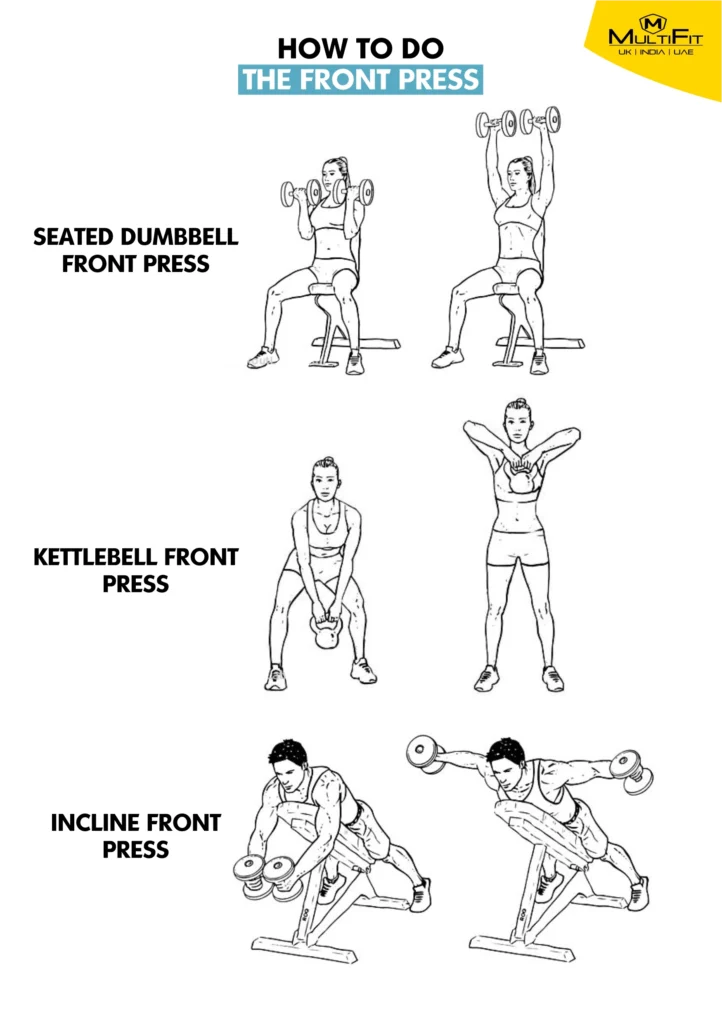
How to Do the Front Press?
Here’s how to perform the front press safely and effectively:
- Stand with your feet shoulder-width apart. Your toes should be facing forward or slightly outward.
- Hold the weight at shoulder height. Your hands should be on your shoulder level, width apart, and your palms facing forward.
- Push the weight straight up over your head, fully extending your arms.
- And then, lower the weight back down to the starting position steadily in motion.
- Repeat this exercise (3 sets of 10-15 reps is a good start).
[Disclaimer: Do consult and take guidance from a certified trainer before beginning any exercise program.]
Benefits of the Front Press
Why should you include the front press in your workout routine?
Here are a few reasons:
Improved shoulder front press strength and development: Your deltoids, trapezius, and triceps are being targeted. This helps to build strong and broad shoulders.
Overall Strength: You are engaging multiple muscle groups. This leads to overall strength gains.
Improved Athletic Performance: You can boost your performance in sports. Especially sports with overhead movements, like basketball, volleyball, and tennis.
Better Posture: Here, when you build a broader shoulder, you improve your posture as your shoulders are pulled back, which opens up your chest.
Variations of the Front Press
There are other variations to target these muscles so you can keep your workouts interesting:
- Seated Dumbbell Front Press: While seated, use dumbbells so you can target your shoulders from a different angle.
- Kettlebell Front Press: With kettlebells, your core muscles play an important role. Here, your core muscles help in creating stability while doing the exercise.
- Incline Front Press: Perform the front press on an incline bench; your muscles targeted will be the upper chest, shoulders, and triceps.
Safety Tips
To make sure your workout is done in a proper manner, keep these in mind:
- Warm Up: Always do a proper warm-up for your shoulders and upper body with light cardio and stretching.
- Maintain Proper Form: With good form, you can avoid future injuries. I would definitely recommend having a trainer or head coach while performing the exercise.
- Start Light: Begin with a weight you can handle while maintaining good form. Slowly increase the weight as you get stronger.
- Avoid Arching Your Back: Keep your back straight, and you can prevent injury.
Conclusion
The front press is an exercise that can help you build stronger, broader shoulders.
You also boost your athletic performance and improve your overall health. By following this guide and working with different variations while prioritizing your safety, you can make the most of this exercise and achieve your fitness goals.
FAQ’s
What is the Front Press good for?
The front press helps build strong, broad shoulders, improves overall strength, enhances athletic performance, and promotes better posture.
Can I do a front press with dumbbells?
Absolutely! Using dumbbells can offer a different angle and variety to your routine.
Is the front press suitable for beginners?
It can be challenging. However, with the right guidance and practice, anyone can learn to perform the front press safely and effectively.
by indigiseo | Mar 8, 2026 | Yoga
Understanding Prana Mudra: It’s Benefits, How to do it & More
Prana Mudra is a simple hand gesture, but it’s so much more than that. Over the years, I’ve seen how this little practice can do a big difference.
Imagine coming home after a long, tiring day. Maybe work drained you, or you’ve been having a hard time. Your mind feels scattered, and your body feels heavy. This is where this Mudra comes in.
When you hold your hands in this gesture, it feels like you’re gathering your strength and calming your thoughts. Together, we can explore the benefits of Prana Mudra and how something so small can bring strength to your body and peace to your mind.
What is Prana Mudra?
We call it the ‘Mudra of Life.’ It’s more than just a name.
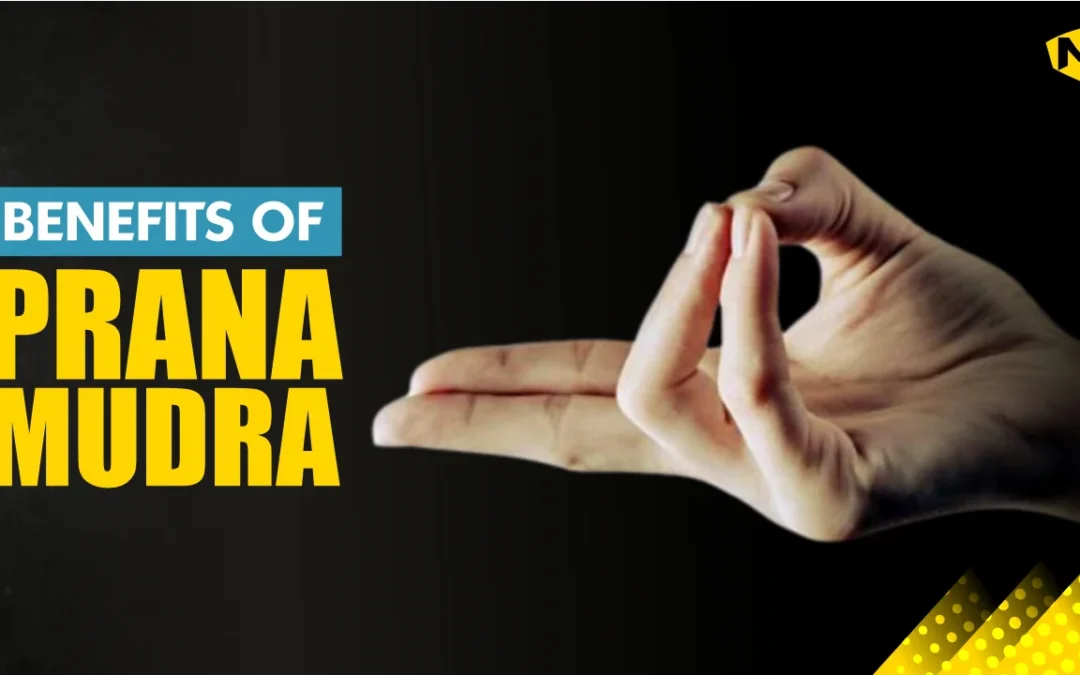
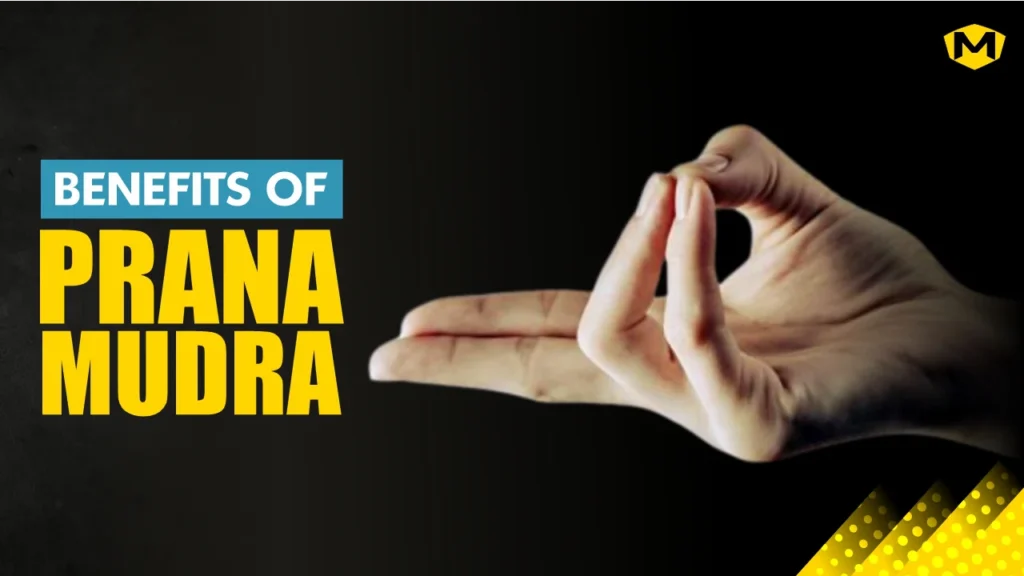
This gesture has so much power to bring life and energy back into you. It comes from two Sanskrit words—‘Prana,’ meaning life energy, and ‘Mudra,’ meaning a seal or gesture. It’s easy to do.
You just touch the tips of your thumb, ring finger, and little finger together. Keep the other two fingers straight.
That’s it. When you sit with this mudra, it wakes up the energy deep inside you, the energy you might not even realize you’ve been holding back.
Key Benefits of Prana Mudra
Boosts Immunity
Your body’s natural defenses become stronger. It helps you fight off illnesses and stay healthier.
Improves Eyesight
Spending 15-20 minutes a day on Prana Mudra can support eye health. It might reduce issues like dryness and redness while gradually improving your vision.
Supports Healthy Lungs
This mudra assists in better breathing by helping your lungs work efficiently. Strengthens the Heart
You will feel an increased blood flow and reduce stress, which may help your heart stay healthy.
Enhances Blood Circulation
This mudra ensures that your body gets proper blood flow. Better circulation can also help reduce certain health problems.
Relieves Muscle Cramps
So as you have an increased blood flow, it may ease cramps and leg pain caused by poor circulation.
Improves Mental Well-being
Doing this will help you have a peaceful mind. You reduce stress, tension, and anxiety and build self-confidence.
How to Perform Prana Mudra?
– You can sit in Sukhasana pose (cross-legged), Padmasana pose (Lotus pose), or on a chair with your back straight.
– Place your hands on your knees.
– The tips of your thumb, ring finger, and little finger should be together and keep the other two fingers straight.
– Close your eyes and breath. Stay in this position for 10-15 minutes.
– Practice daily for the best results.
Exploring Other Mudras for Specific Needs
Mudra for Height Increase: Along with this, practice the Surya Mudra and have proper food and regular exercise.
Mudra for Confidence: Akash Mudra can help Prana Mudra by building mental clarity and self-assurance.
Mudra for Eyesight: With this Mudra, do the Shambhavi Mudra to help your eyesight.
Are There Any Prana Mudra Side Effects?
Prana Mudra is safe practice.
However, overdoing it may lead to excessive energy, which can overwhelm you.
So, moderation is key. Do it for 15-20 minutes daily. If you have any specific health issues, consult with your healthcare professional before starting.
Final Thoughts
Life can get so busy and I’ve learned over the years that sometimes we just need to have a break in this busy life.
That’s where this Mudra comes in. It’s a simple way to stop, breathe, and connect with yourself.
Let this practice bring you a little peace, a little strength, and a reminder that you’re allowed to take care of you.
FAQ’s
Can Prana Mudra help with stress?
Yes, you can reduce stress and anxiety and feel at peace. The state-of-mind can be peaceful.
Is there a specific time to practice Prana Mudra?
You can practice it anytime, but early morning or evening sessions are ideal for maximum benefits.
Can children practice Prana Mudra?
Absolutely! It’s safe and can be a wonderful way to encourage mindfulness in kids.
by indigiseo | Mar 8, 2026 | Aasan
Discover the Top 5 Best Benefits of Uttanpadasana
A full day at your work desk always leaves you with lower back pain; along with leaving a sluggish feeling throughout.
One basic yoga posture exists which offers relief for these types of discomforts.
Practice Uttanpadasana also known as the Raised Leg Pose to bring relief to yourself.
Through practice of this asana you can strengthen your core as well as improve digestion and achieve a relaxed state of mind. So, let’s understand the benefits of Uttanpadasana together with performing instructions and safety-related points.
What is Uttanpadasana?
The Sanskrit origin of the posture derives from “uttana” (raised) and “pada” (leg) so it translates as The Raised Leg Pose.
Through this back-lying posture where you lift your legs you strengthen your core muscles and develop abdominal strength. Understanding the uttanpadasana meaning deepens our understanding of why this pose benefits both physical structure and mental state.
How to Do Uttanpadasana
Wondering how to do uttanpadasana? Follow these steps:
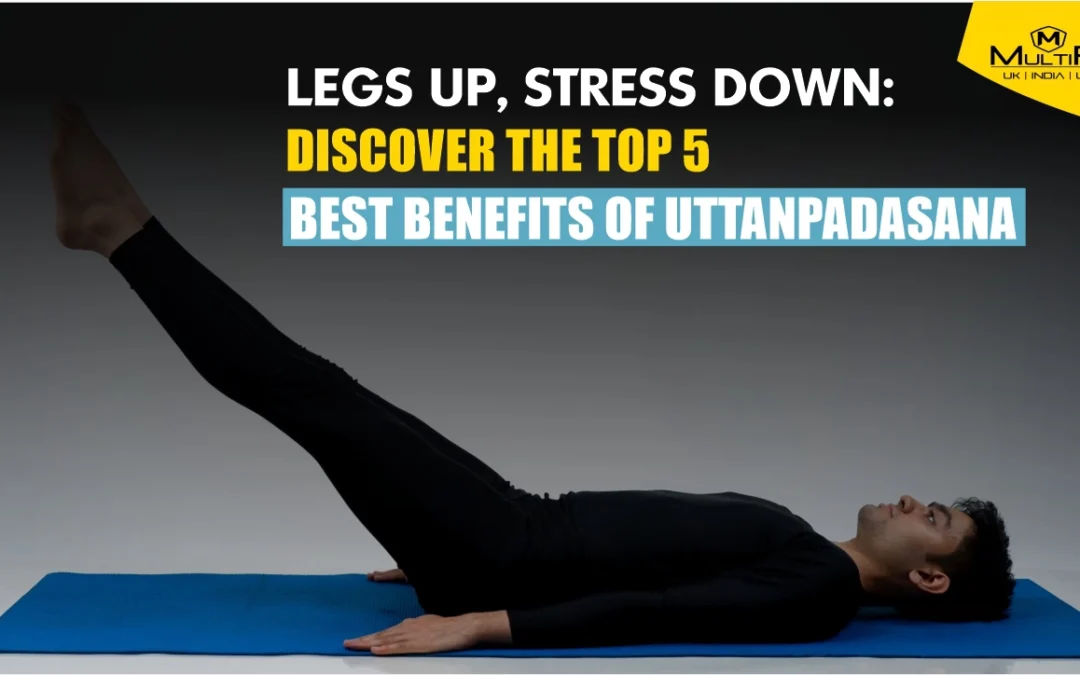
- Starting Position: Position yourself flat on the back while keeping legs together and arms extended at your sides.
- Leg Lift: Use a deep breath to lift both legs straight up to a 45 to 60-degree position maintaining the knees straight.
- Engage Core: Your abdominal muscles need to contract while performing this lift.
- Hold the Pose: Keep the position steady for 15-30 seconds while you breathe naturally.
- Release: End your breath then lower your legs slowly to their floor position.
Beginners can start by lifting one leg at a time or using a wall for support.
Top Benefits of Uttanpadasana
1. Strengthens Core Muscles
Uttanpadasana practice on a regular basis activates abdominal muscles to build core strength together with improving stability. Uttanpadasana practice helps reduce lower back pain and strengthens the body’s posture.
2. Improves Digestion
Through this pose your digestive organs receive stimulation along with relief from constipation and bloating symptoms.
3. Enhances Blood Circulation
Through leg lift motions during Uttanpadasana the asana directs blood toward the heart to boost circulation while simultaneously reducing the vulnerability to varicose vein development.
4. Tones Lower Body
Through its practice the asana activates multiple lower body components by toning pelvic muscles and strengthening thigh and hip structures.
5. Balances Energy Centers
Through its practice the practitioner activates their solar plexus chakra to achieve better energy flow and increased vitality.
Uttanpadasana Precautions
While beneficial, it’s essential to observe uttanpadasana precautions:
- Avoid if Pregnant: Pregnant women should refrain from this pose.
- Menstrual Cycle: It’s advisable to skip this asana during menstruation.
- Back or Neck Issues: Individuals with spinal problems should consult a doctor before practicing.
- Recent Surgeries: Avoid if you’ve had recent abdominal or spinal surgeries.
- High Blood Pressure: Those with hypertension should practice under guidance.
Who Should Avoid Uttanpadasana
Understanding who should avoid uttanpadasana is crucial:
- Pregnant Women: Due to abdominal pressure.
- Individuals with Hernia: The pose may exacerbate the condition.
- People with Severe Back Pain: It can strain the spine further.
- Those with Recent Surgeries: Especially abdominal or spinal.
- Individuals with High Blood Pressure: Risk of increased pressure.
Conclusion
Daily inclusion of Uttanpadasana will transform your physical practices significantly.
When you practice uttanpadasana you gain multiple benefits which include core strength alongside better digestion and enhanced blood circulation.
It’s essential to follow uttanpadasana precautions while recognizing who must stay away from this pose to practice it safely. A gradual approach combined with steady practice will give you remarkable benefits from this powerful postural transformation.
FAQ’s
Can Uttanpadasana help reduce belly fat?
Yes, definitely. Engaging the core muscles, functions as an effective way to tone abdominal muscles.
Is it safe to practice Uttanpadasana daily?
Practicing every day offers benefits but you please see an expert and take their advice when you’re not sure what you’re doing.
Can beginners perform Uttanpadasana?
Absolutely. The exercise should begin with each leg individually before you move forward.
Does Uttanpadasana aid in digestion?
This exercise activates digestive organs which enhance digestion functions.
Is it suitable for people with back pain?
Weak back pain symptoms might see improvement yet serious symptoms need doctor evaluation before treatment.
by indigiseo | Mar 8, 2026 | Blog, Exercises
Are you looking to develop a chest that will make you proud? Well, this machine can be an addition to your workout routine. The chest press machine is straightforward to use and helps in targeting the right chest muscles. In this blog, learn how to work out using a chest press machine, including how to do the machine incline chest press and tips to help in getting that powerful chest at the gym.
What is Chest Press Machine?
The chest press machine is used to press weights forward while one is in a seated position. Its actions are similar to the bench press; however, there is additional support and stability that can make it a useful tool for beginners and seasoned lifters alike.
How Does It Work?
As you work out on the chest press machine, you press the handles or bar off from the chest. The machine design keeps the body stable, so all your effort is applied to the movement and not to balance the weights. This is quite helpful where getting the correct form is concerned in trying to prevent injuries.
How to Use the Chest Press Machine?
Utilizing the chest press machine is pretty easy. Here’s a step-by-step process:
1. Adjust the seat: The seat height should be adjusted so that when you sit, the handles have to be chest high. It is important for form.
2. Set the weight: You must select a weight by which you will be challenged but at which you can complete sets having good form. If you’re new to the machine, then start with a lightweight.
3. Grip the Handles: Grasp the handles with both hands. Your palms should be towards the floor.
4. Push the Handles: This is done by pushing the handles forward until the arms are extended fully. The user needs to keep his back and shoulders against the seat.
5. Return Slowly: The handles are returned slowly to the starting position without letting the weights slam down
6. Repeat: The above steps are repeated for the number of repetitions as required.
Normally, 8-12 reps per set builds muscle well.
Benefits of Chest Press Machine
1. Controlled Movement: The machine guides your movement, which helps perform the exercise correctly. This is especially useful for beginners who are learning proper techniques.
2. Improved Stability: Unlike free weights, the machine provides stability, which helps you focus on the chest muscles without worrying about balancing the weight.
3. Easy to adjust: You can also easily manipulate the settings on this machine, so you can easily adjust the weight and the position of the seat. In a way, it would be easier for you to customize your workout accordingly.
4. Work for Any Level: Whether you’re a raw beginner or a seasoned lifter, the chest press machine adjusts to your ability.
Machine Incline Chest Press
This variation targets the upper chest. Here’s how to do it:
- Adjust the Bench: Make an incline on the bench, usually at an angle between 30 to 45 degrees. This adjustment puts more focus on the upper part of your chest.
- Do the Same Thing: Do the same motion as you would while working on a regular chest press machine; however, now you are pressing at an angle, which helps hit the upper chest muscles a bit more.
- Get That Upper Chest: The incline is awesome for hitting up that upper chest, which can look nice and appealing, visually speaking, when you get it to pop.
Tips for a Great Chest Workout in the Gym
Follow these tips to bring out the most in your chest workouts in the gym:
- Warm-up: Begin by getting your muscles ready with a warm-up. It’ll get your muscles ready to dive into the workout. Light cardio and dynamic stretches will make sure that your blood is flowing well and that you are nice and limber.
- Good Form: Keep your focus on proper form to avoid injuries and ensure that the intended muscles are worked out maximally. The back should be straight against the seat, and there should be no arching too much at your back.
- Rest and Recover: Allow your muscles time to recover after workouts. Good rest is essential for the growth of the muscles and, in general, for health. Allow for at least 48 hours before repeating the same muscle workout.
- Be consistent: It is the way forward and the determinant of progress. Keep faithful to your workout schedule and gradually add weights and intensity. Progress must be noted over some time.
Sample Chest Workout Routine
Below is a simple routine that includes a chest workout in the gym and the machine exercise among others:
- Warm-up: 5-10 minutes of light cardio, such as jogging or cycling, then dynamic stretches targeting the chest and shoulders.
- Machine Chest Press: Do 3 sets of 10-12 reps, changing the seat setting for the appropriate weight to use.
- Machine Incline Chest Press: Do 3 sets of 10-12 reps. Adjust the bench at an angle to engage the upper chest.
- Dumbbell Bench Press: 3 sets of 8-10 reps. Free weights will help balance out any imbalances by using more stabilizer muscles.
Conclusion
One such tool to develop strength and size in the chest is through the use of a chest press machine. Using the regular chest press machine combined with the machine incline chest press enables one to hit different parts of the chest for overall development. Keep good form, mix machines with free weights, and be consistent. Follow these tips and you will be well on your way to a stronger and more defined chest. Ready to elevate your chest workout? Join MultiFit Gym and master the chest press machine with guidance from our expert trainers. Achieve your fitness goals today