


Your Guide to Knock Knee Treatment Exercise You Can Start Today
Have you ever been stationary and observed your knees sway inwards and it touches slightly even when your feet are apart?
It may be a minor thing, but eventually, it may alter your mobility, the manner of walking and even the condition of your joints.
Knock knees, or the technical term, ‘genu valgum’, is not all about appearance but may cause long-term unrest discomfort and joint strain as well as postural complications. The good news? With the right knock knee treatment exercise, the alignment can become better, the strength can be regained, and everyday movements can be simplified.
The question as to whether knock knees can be fixed in adults through exercise should not be one of surprise because it depends.
Why Do These Moves Matter?
Knock knee syndrome (genu valgum) implies that your knees turn inward.
This redirects the load on the reverse knee and in the long run, may have an impact on your hips, ankles and comfort.
However, your legs can be realigned with the help of targeted work, such as inner thighs and glutes strengthening.
These motions assist in contributing to the knee and direct muscles to maintain your hips and legs with improved position.
Core knock knee correction exercise Routines
Here are effective steps. They are simple, clear, and ready for daily practice:
1. Clamshells with resistance bands:
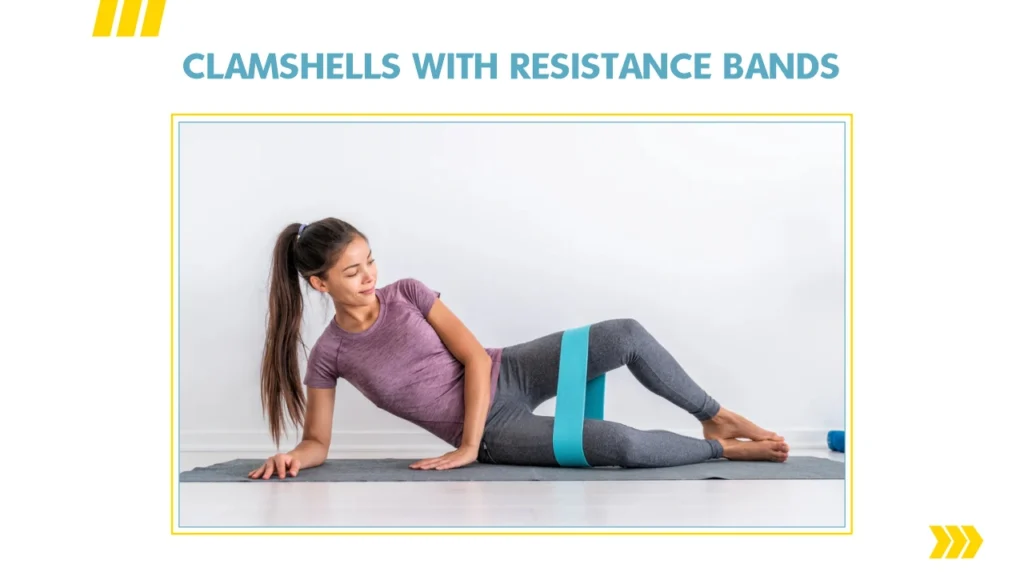
- Lying on your side, knees bent.
- Band around thighs.
- Lift top knee up, feet staying together. Control the rise and lower.
- Perform 3 sets of 15 reps each side.
Result: Gluteus medius is targeted to prevent knees from collapsing inward.
2. Single-leg glute bridge:
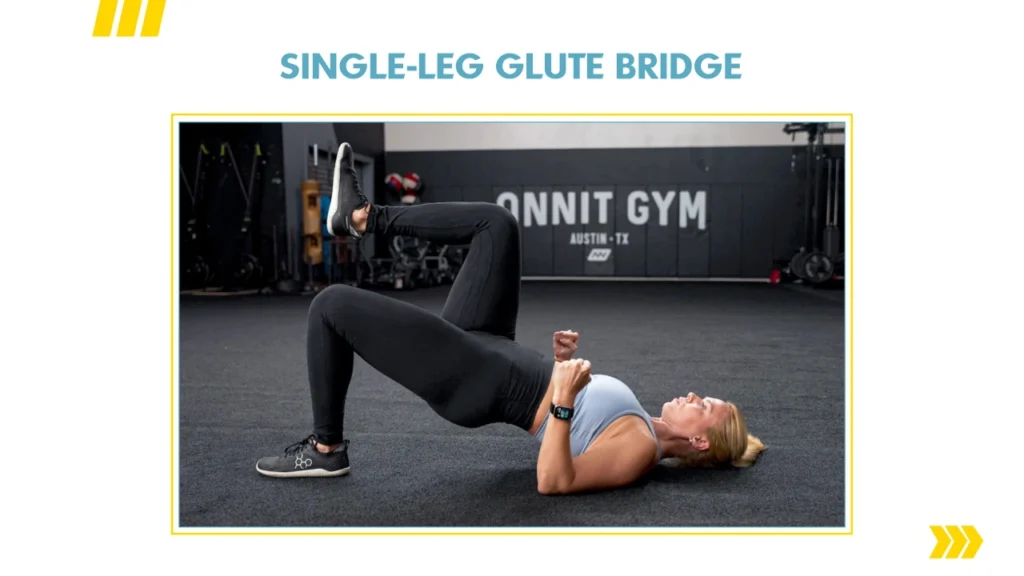
- Lying on back, knees bent, feet flat.
- Raise one leg straight, then lift hips into a bridge position.
- Hold for 2-3 seconds, then lower.
- Perform 3 sets of 12-15 reps each leg.
Result: Strengthening the glutes and hamstrings will provide better support for the knees.
3. Side lunges:
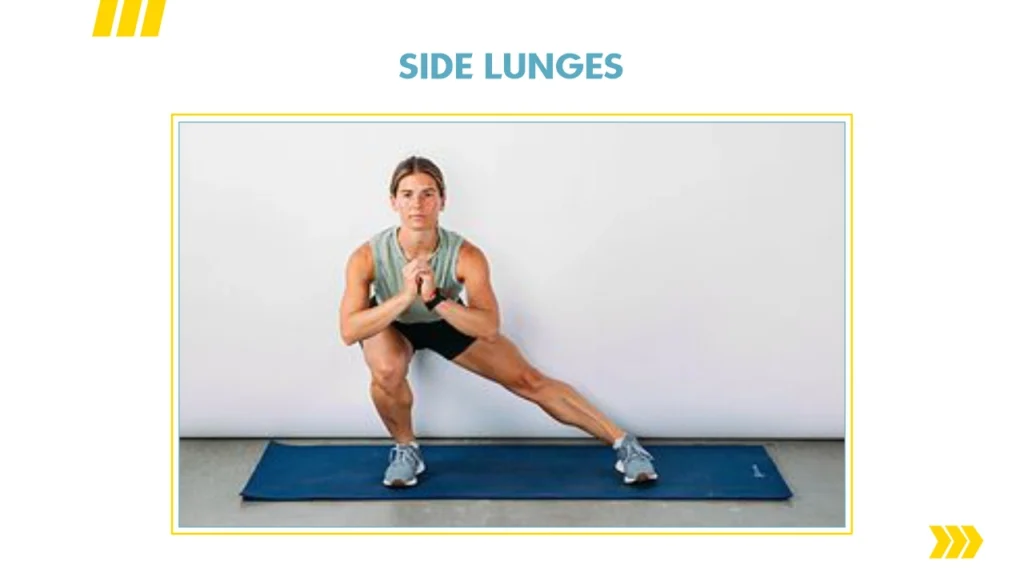
- Stand wide, feet apart.
- Shift your weight to one leg, pushing your knee forward while keeping the other leg straight.
- Repeat, returning to standing position.
- Complete 12 reps each side, for 3 sets.
Result: The adductors and abductors are strengthened, which work to keep knees aligned.
4. Wall squats with band:
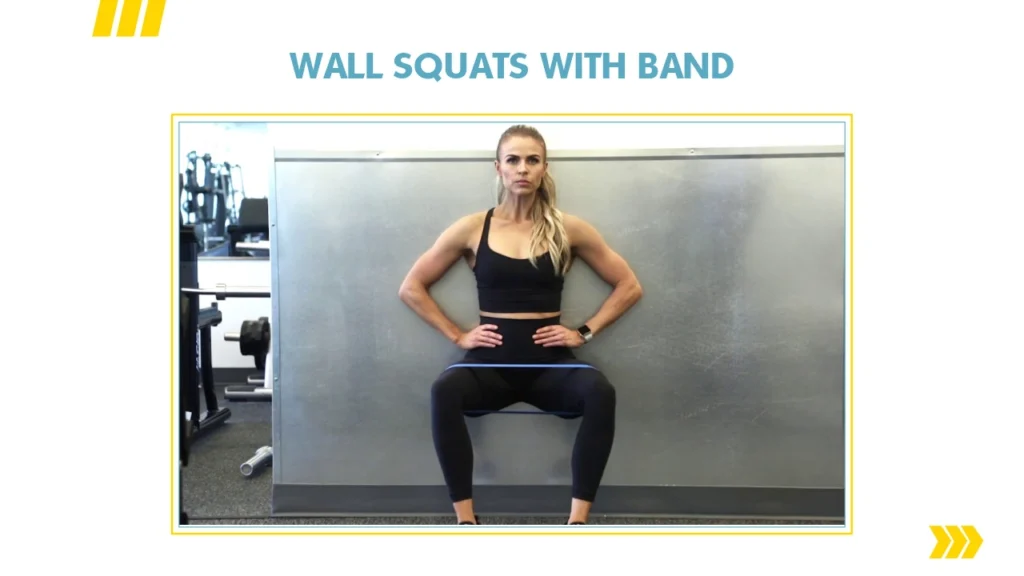
- Place the band above knees, just above the knee joint, and lean back against the wall.
- With feet shoulder width, slide down along the wall into a squat position, with knees aligned with feet.
- Hold for 30 seconds, then return to standing.
- Repeat 3 times.
Result: Goes to work to engage the glutes and quads to reinforce proper knee tracking.
5. Straight leg raises:
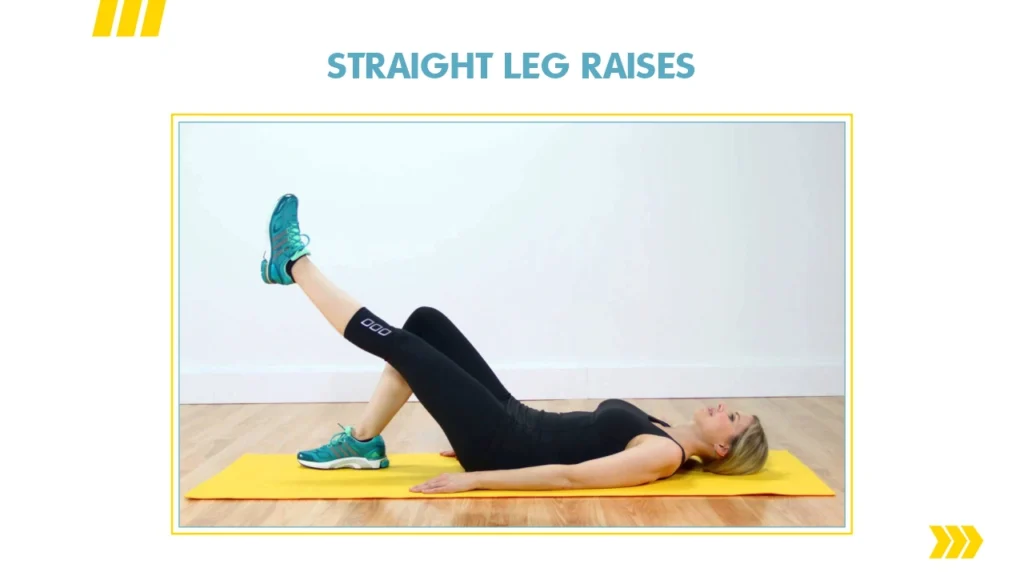
- Lying on your side, or back with leg straight.
- Lift the leg and lower with control in a slow manner.
- Complete 3 sets of 15 each leg.
Result: Strengthens the quadriceps and muscles about the hip that aid with leg alignment.
6. Butterfly stretch:
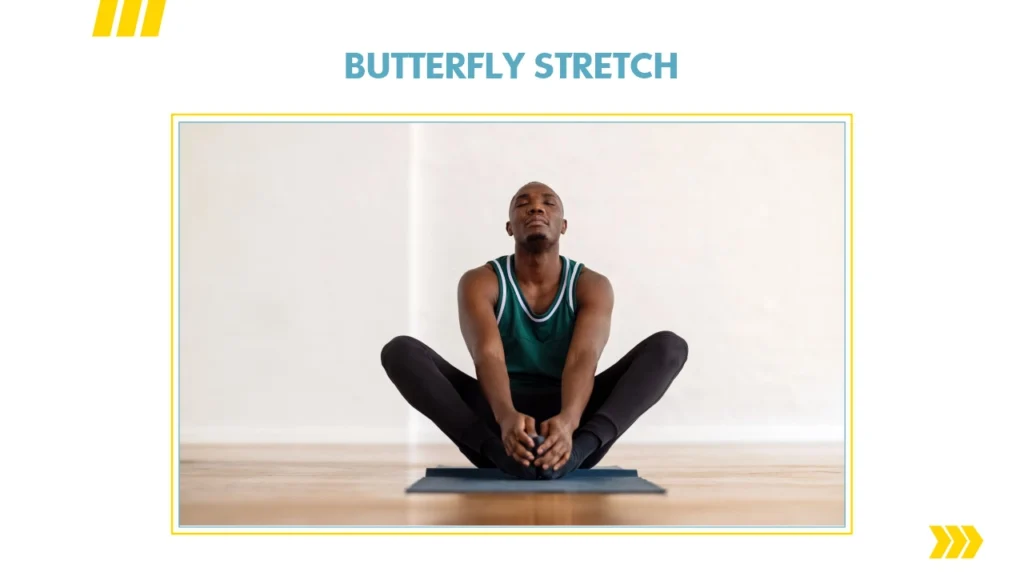
- Seated, soles of feet together and heels pulled in towards you.
- Gently press down with elbows on your knees, or simply lean forward gently.
- Hold for 30 seconds, repeat 3 times.
Result: Opens up the inner thighs allowing that tightness from having knock knees to relieve.
7. Seated hip internal rotation stretch:
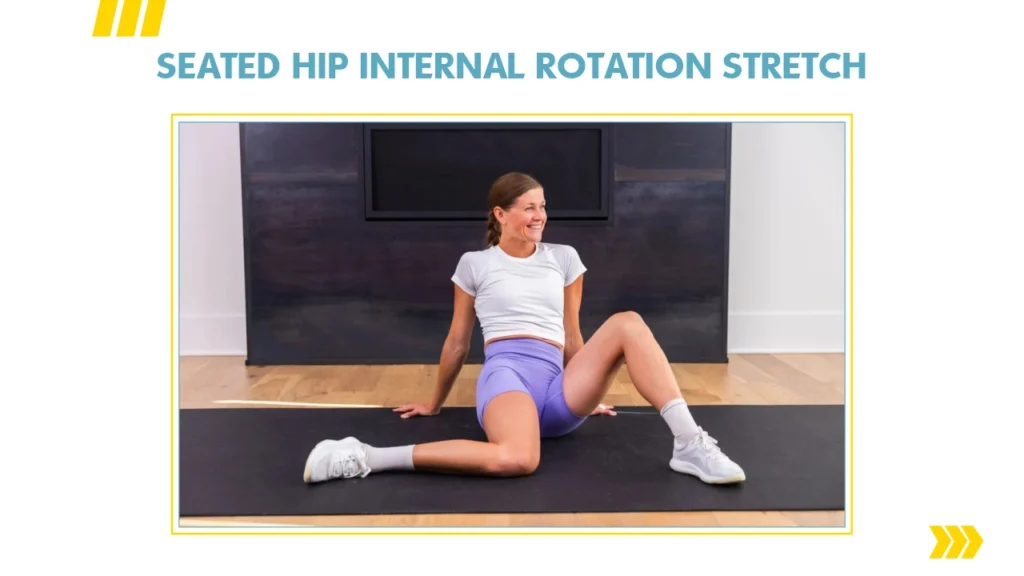
- Seated, cross one ankle onto the opposite knee.
- While in this position, lean forward slightly so you can feel your hip muscles start to open up.
- Hold position for 30 seconds each side.
- Repeat this 3 times.
Result: This stretch is particularly good for releasing hip rotators so the leg can align better.
Next-Level Tips for knock knees workout
Add calf and IT band foam rolling to ease tight muscles .
Wear arch-support footwear or orthotics to stabilize your feet and align your knees
Maintain healthy weight. Try following a 7-Day Diet Plan because having a healthy body will lighten the strain on knees.
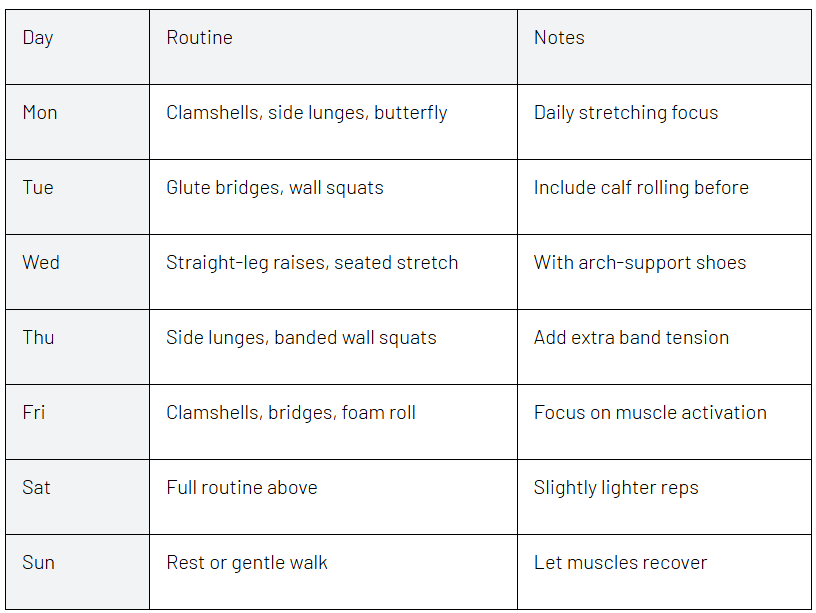
Sample Weekly Plan for Corrective Knock Knees Exercise
Conclusion
Our habits, posture and patterns of movement prefer to remain unnoticed to us until they actually start to influence us.
Knock knees can appear as a structural problem, but in most cases of adults, they are only the indicators of muscle imbalances which can be properly corrected with the correct strategy.
Even by signing up for functional training for knock knee treatment exercise, you are not only looking to create the form that your legs associate but looking to build strength, gain better stability and secure your joints in the long-term. As long as you’re consistent and aware, not only do you make progress, but also achieve it.
FAQ’s
How long before I see results?
An improving balance and posture can be observed within 4-8 weeks. There is a 3 to 6 month process of lasting correction, depending on the consistency of your routines.
How to correct knee knocking during daily tasks?
Be mindful: stand with knees over toes and squat with knees in the position of toes. Form can be checked using mirrors. When strength is gained, it is transferred during time.
Can knock knees be corrected in adults by exercise completely?
Yes, the significant percentage of adults improves, but it all is about whether the bone structure contributes to it or not. In case it is something to do with one of the muscles, then you are in the right direction.
What if I feel pain while doing these?
It is quite normal to feel a bit tight or sore, but your activity should be interrupted when sharp pain occurs. Warm up, decrease the number of reps and think of seeing a physiotherapist.
Should I add cardio?
Yes, it is cardio with low impacts such as walking, cycling, swimming that keeps the joints in line and contributes to weight management.