by indigiseo | Mar 8, 2026 | Yoga
Understanding Prana Mudra: It’s Benefits, How to do it & More
Prana Mudra is a simple hand gesture, but it’s so much more than that. Over the years, I’ve seen how this little practice can do a big difference.
Imagine coming home after a long, tiring day. Maybe work drained you, or you’ve been having a hard time. Your mind feels scattered, and your body feels heavy. This is where this Mudra comes in.
When you hold your hands in this gesture, it feels like you’re gathering your strength and calming your thoughts. Together, we can explore the benefits of Prana Mudra and how something so small can bring strength to your body and peace to your mind.
What is Prana Mudra?
We call it the ‘Mudra of Life.’ It’s more than just a name.
This gesture has so much power to bring life and energy back into you. It comes from two Sanskrit words—‘Prana,’ meaning life energy, and ‘Mudra,’ meaning a seal or gesture. It’s easy to do.
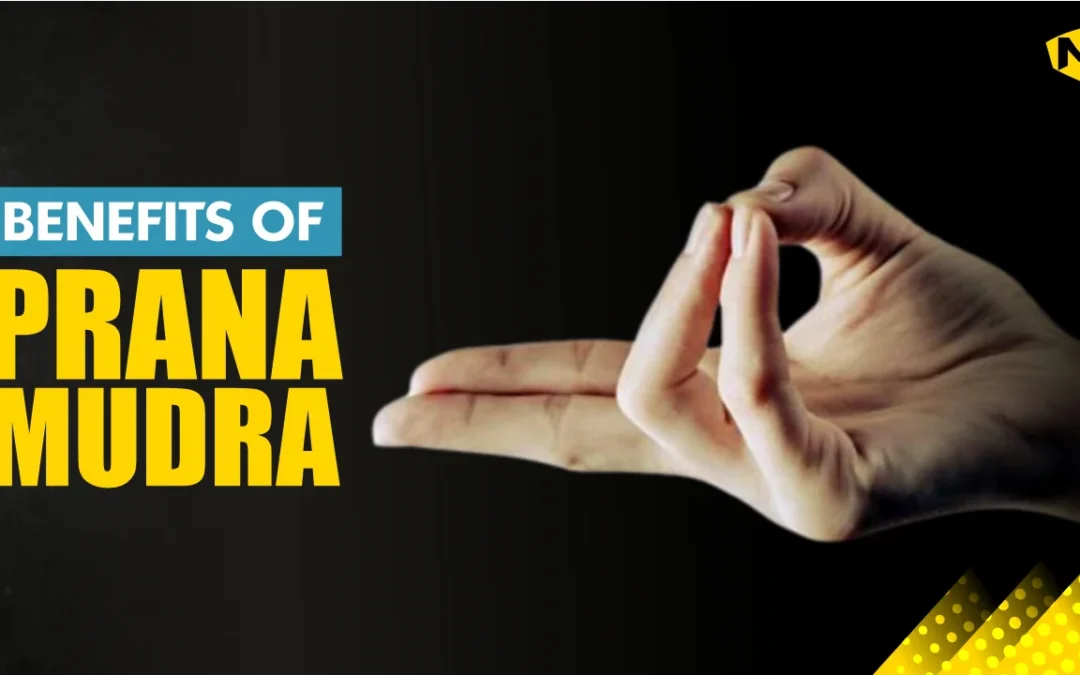
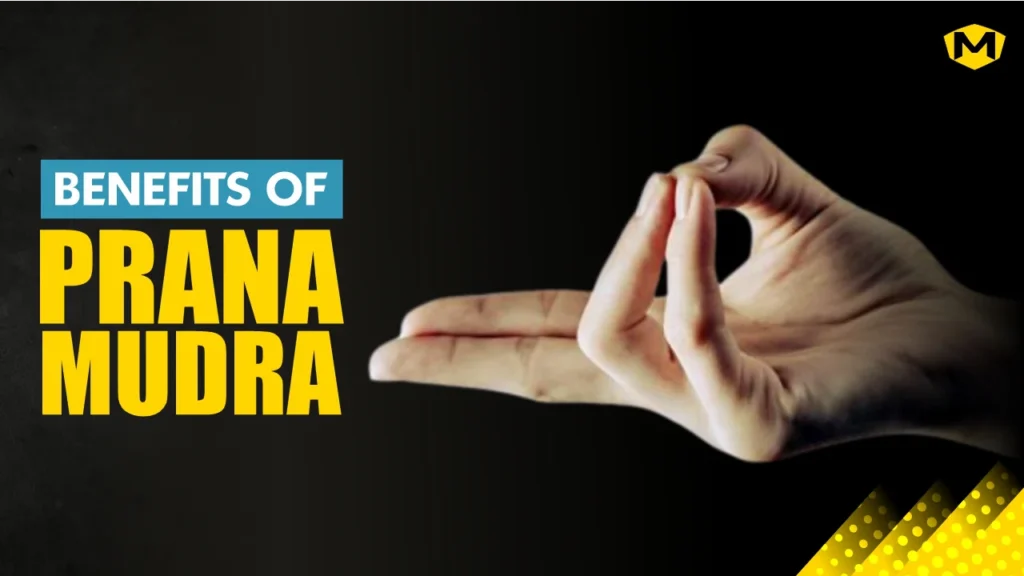
You just touch the tips of your thumb, ring finger, and little finger together. Keep the other two fingers straight.
That’s it. When you sit with this mudra, it wakes up the energy deep inside you, the energy you might not even realize you’ve been holding back.
Key Benefits of Prana Mudra
Boosts Immunity
Your body’s natural defenses become stronger. It helps you fight off illnesses and stay healthier.
Improves Eyesight
Spending 15-20 minutes a day on Prana Mudra can support eye health. It might reduce issues like dryness and redness while gradually improving your vision.
Supports Healthy Lungs
This mudra assists in better breathing by helping your lungs work efficiently. Strengthens the Heart
You will feel an increased blood flow and reduce stress, which may help your heart stay healthy.
Enhances Blood Circulation
This mudra ensures that your body gets proper blood flow. Better circulation can also help reduce certain health problems.
Relieves Muscle Cramps
So as you have an increased blood flow, it may ease cramps and leg pain caused by poor circulation.
Improves Mental Well-being
Doing this will help you have a peaceful mind. You reduce stress, tension, and anxiety and build self-confidence.
How to Perform Prana Mudra?
– You can sit in Sukhasana pose (cross-legged), Padmasana pose (Lotus pose), or on a chair with your back straight.
– Place your hands on your knees.
– The tips of your thumb, ring finger, and little finger should be together and keep the other two fingers straight.
– Close your eyes and breath. Stay in this position for 10-15 minutes.
– Practice daily for the best results.
Exploring Other Mudras for Specific Needs
Mudra for Height Increase: Along with this, practice the Surya Mudra and have proper food and regular exercise.
Mudra for Confidence: Akash Mudra can help Prana Mudra by building mental clarity and self-assurance.
Mudra for Eyesight: With this Mudra, do the Shambhavi Mudra to help your eyesight.
Are There Any Prana Mudra Side Effects?
Prana Mudra is safe practice.
However, overdoing it may lead to excessive energy, which can overwhelm you.
So, moderation is key. Do it for 15-20 minutes daily. If you have any specific health issues, consult with your healthcare professional before starting.
Final Thoughts
Life can get so busy and I’ve learned over the years that sometimes we just need to have a break in this busy life.
That’s where this Mudra comes in. It’s a simple way to stop, breathe, and connect with yourself.
Let this practice bring you a little peace, a little strength, and a reminder that you’re allowed to take care of you.
FAQ’s
Can Prana Mudra help with stress?
Yes, you can reduce stress and anxiety and feel at peace. The state-of-mind can be peaceful.
Is there a specific time to practice Prana Mudra?
You can practice it anytime, but early morning or evening sessions are ideal for maximum benefits.
Can children practice Prana Mudra?
Absolutely! It’s safe and can be a wonderful way to encourage mindfulness in kids.
by indigiseo | Mar 5, 2026 | Yoga
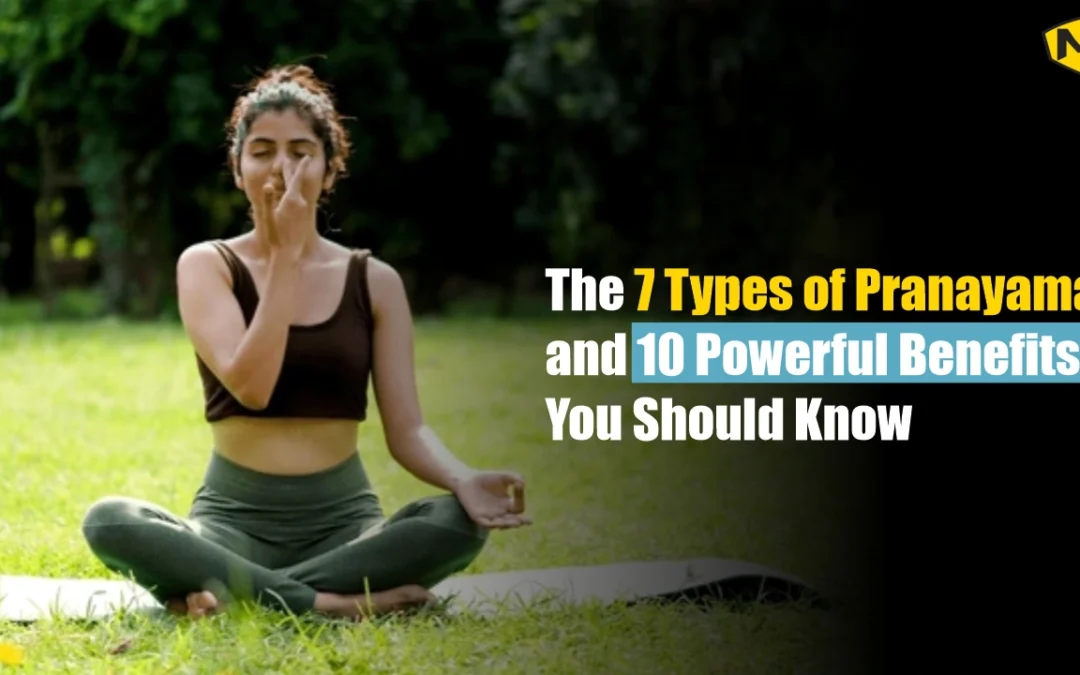
The 7 Types of Pranayama and 10 Powerful Benefits You Should Know
I used to run around, by attending meetings and doing chores and there’s this moment of breathlessness, as if I’d done a major deal.
My mentor gave me advice on a yoga pose.
Within a couple of minutes there was this stillness that descended upon me; as though one pressed a pause key to my thinking machine. This slight modification made me more conscious, attentive, and alert.
So, I would like to share this experience on pranayama, the types of pranayama which transformed my life and about the pranayama yoga advantages.
Perhaps, you are not flowing smoothly with stress or rattle; read and explore how a simple breathing technique can help you.
What is Pranayama?
Pranayama is a yoga breathing exercise that uses a controlled breathing practice.
The term is of Sanskrit origin or rather ‘prana’ translates to ‘life force or energy’ in Sanskrit and ‘ayama’ translates to ‘extend or regulate’.
Therefore, pranayama is literally translated as a way to control or expand the life energy via breathing.
It is among the eight limbs of yoga and it is also practiced to enhance health, mind and emotion.
Pranayama through the control of the breath helps to relax the nervous system, lowers stress as well as enhances well-being. It is the connector between the mind and body.
The Different Kinds of Pranayama
Here are seven essential types of pranayama, each with clear steps and benefits:
• Anulom Vilom (Alternate-nostril)
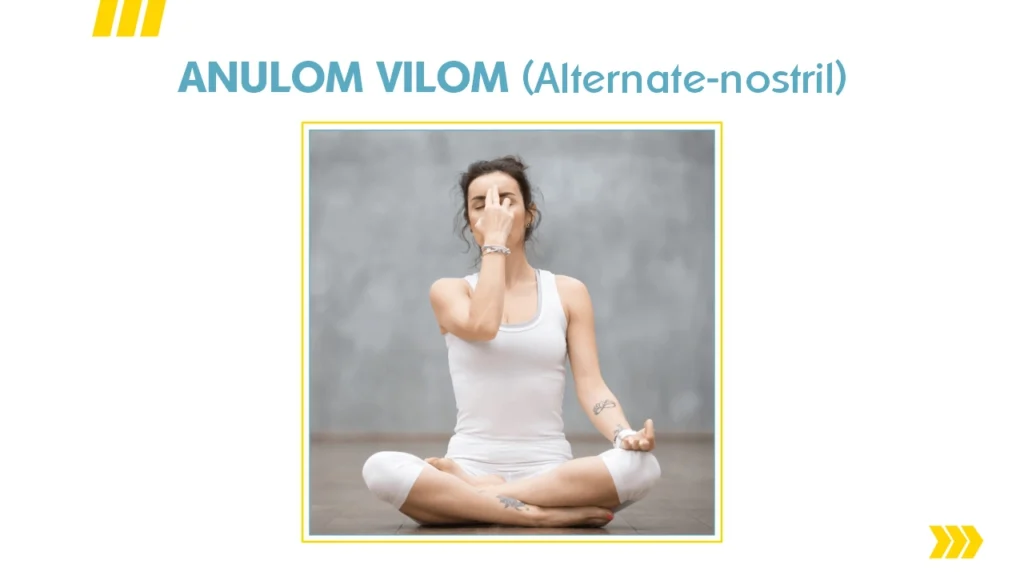
- Close the right nostril, and inhale fully through the left nostril.
- Pause briefly.
- Close the left nostril, and exhale through the right nostril.
- Reverse the directions.
Reason: Calms stress, clears sinuses, and helps with concentration.
• Bhastrika (Bellows breath)
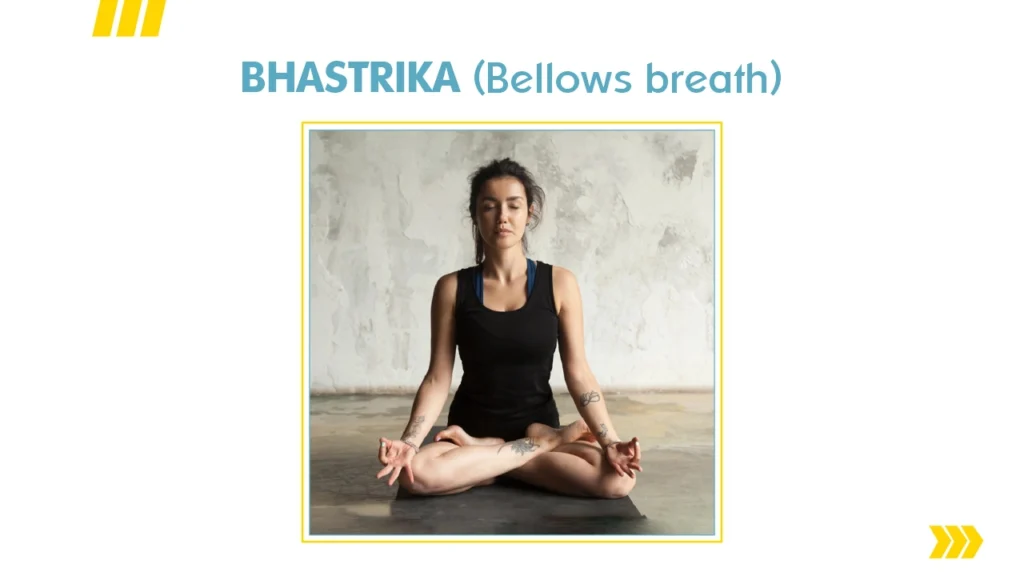
- Force-inhale and force-exhale through your nose, with a rapid tempo.
- Do as many rounds of 10-20 breaths as you feel comfortable.
Reason: Boosts oxygenation, invigorates, strengthens lungs.
• Bhramari (Bee breath)
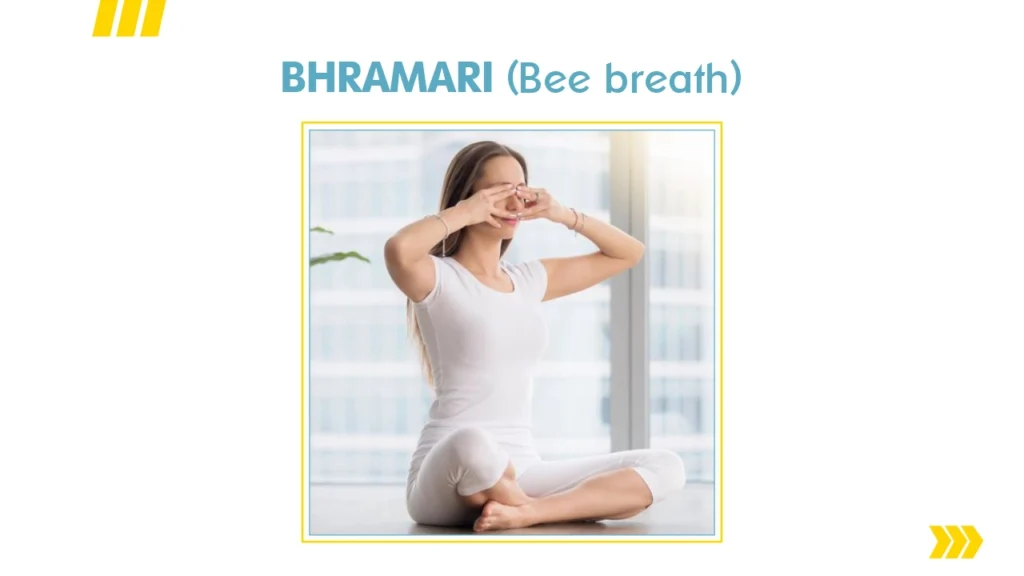
- Inhale, then exhale while making an “aaaahhhhhh” sound, similar to a bee.
- Do this 5-10 times.
Reason: Releases stress, calms feelings of anxiety, and assists in restful sleep.
• Sheetali / Sheetkari (Cooling breaths)
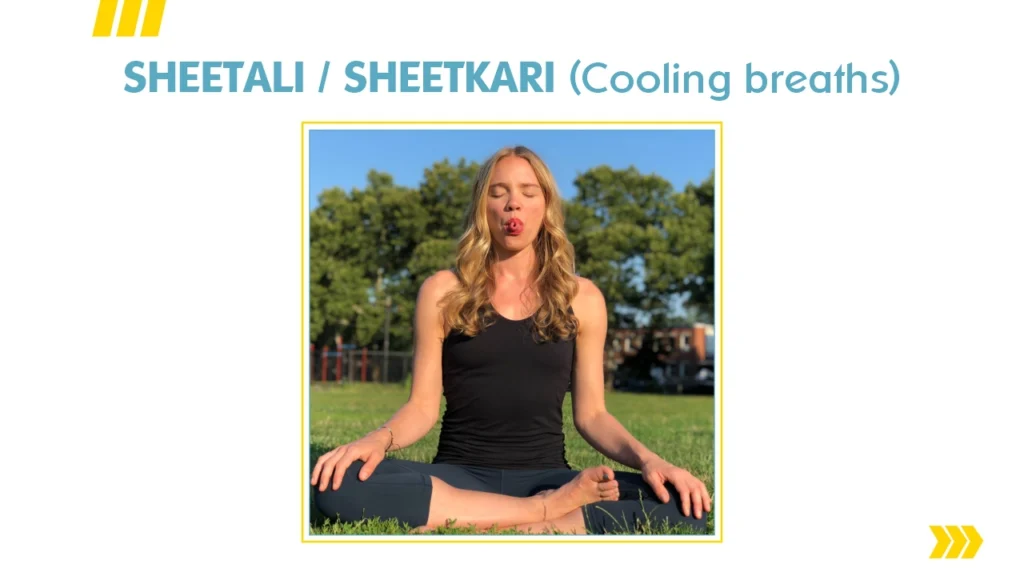
- Either roll your tongue or purse your lips, and inhale the cool air.
- Exhale through your nose.
Reason: Cools the body, promotes concentration, and decreases blood pressure.
• Kapalabhati (Light Skull breath)
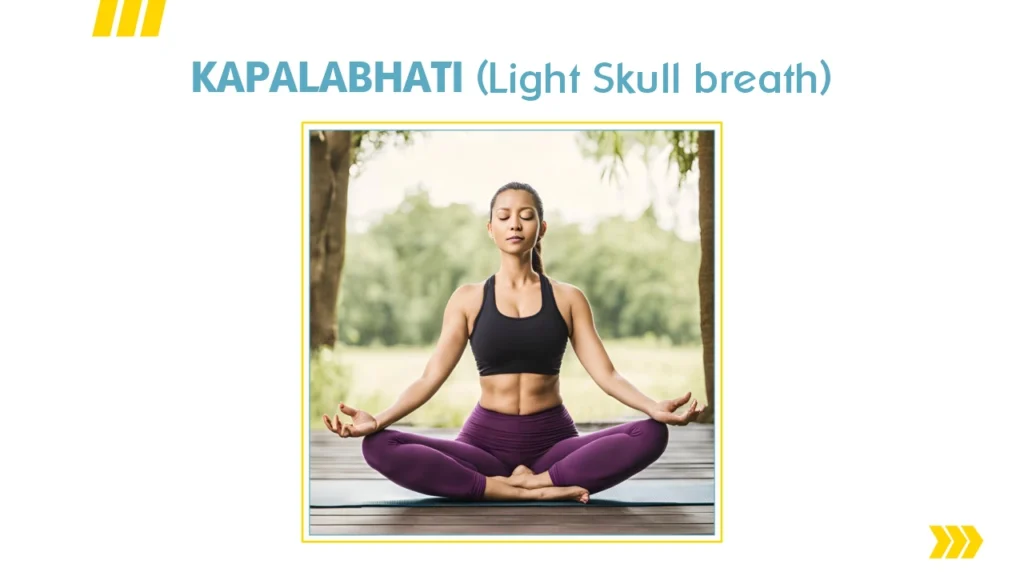
- Short, sharp exhales, passive inhales.
- Fast tempo, core engaged.
Reason: Clears sinuses, improves digestion, and sharpens the mind.
• Ujjayi (Victorious breath)
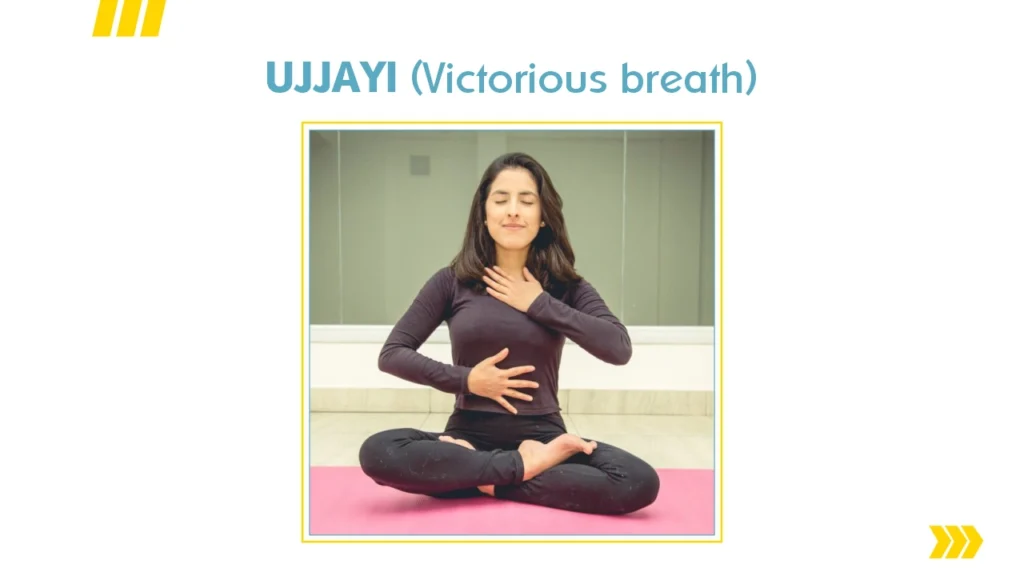
- Inhale/exhale through a slightly constricted throat, and create an ocean sound.
- Usually linked to practice movement, and is common during yoga.
Reason: Calms the nervous system, helps concentration, and links breath with movement.
• Dirga (Three-part breath)
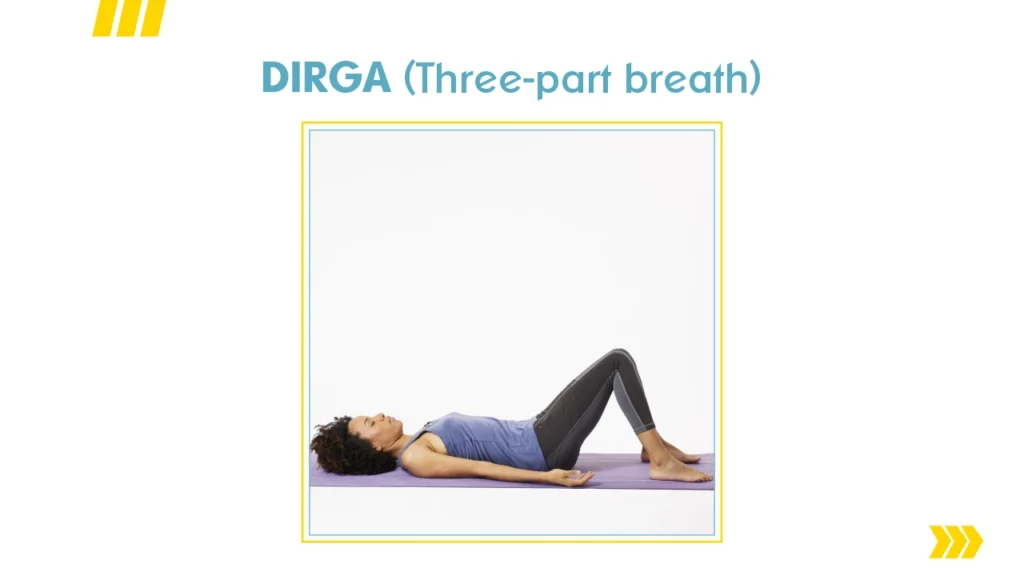
- Fill your stomach, rib cage, and chest, then exhale from your chest to your stomach.
- Continue for several breaths.
Reason: Can be easier for beginners, builds lung awareness and helps with relaxation.
What are the 10 benefits of pranayama?
The benefits can be categorized scientifically and experientially which are:
1.Reducing stress: Switches on the relaxation response, calms heart rate and relaxes mental chaos
2.Improving lung function: Increases lung capacity and improves lung function and capacity
3.Reducing blood pressure: Switches on the relaxation response, opens blood vessels
4.Builds mindful awareness: Keeps us grounded in the present while bringing awareness to our bodies
5.Improving sleep: Calms insomnia/sleep issues down
6.Reducing anxiety: Clamps down on racing thoughts, elevates mood
7.Helpful in quitting smoking: Eases cravings through mindful breathing
8.Helpful in clearing airways: Excellent for asthma and sinus stuff
9.Easing digestion: Stimulates the parasympathetic system.
10.Enhancing focused concentration: Elevates clarity of mind and focus.
So, Try this short practice:
1.Settle down in a calm spot, spine straight.
2.Dirga: 5 deep cycles.
3.Anulom Vilom: 5 rounds.
4.Bhramari: 5 cycles.
5.(Optional) Sheetali: 5 cycles.
This mix covers calming, cooling, and clearing, giving a full-scope taste of these types of pranayama.
What types of advantages of pranayama yoga do you get?
Available: No equipment required, can be done at any time anywhere.
Holistic: Their effect is combined, on mind and body.
Flexible: Do things at your own pace, begin at a slow pace, and then gradually increase speed.
Research-backed: Researches like the National Library of Medicine and International Journal of Research in Medical Sciences show pranayama yoga supports stress relief, lung health, and improvement of focus.
Conclusion
The day when you are feeling scatterbrained or fatigued, just a few minutes of this type of pranayama can rest your mind and body.
I have witnessed the power of breath to soften the tension, raise the energy, and crystalize the thought and all of that without equipment and special room.
The breath will be your guideline. It is a friendship which is cultivated with every time you stop and breathe with purpose.
FAQ’s
How often should I practice?
Most ideal is daily. Begin by getting 510 minutes per week and building by weeks.
Can children do these?
Well, yes, but not breath retention ones such as Anulom Vilom; they ought to practice simple ones.
When shouldn’t I do it?
Avoid when pregnant, when He has heart problems, high blood pressure, or serious respiratory disease consult a physician.
Can pranayama help mental health?
Yes, It helps anxiety and psychosomatic problems as research indicates that it actually reduces the tone of the nervous system.
by indigiseo | Mar 4, 2026 | Yoga
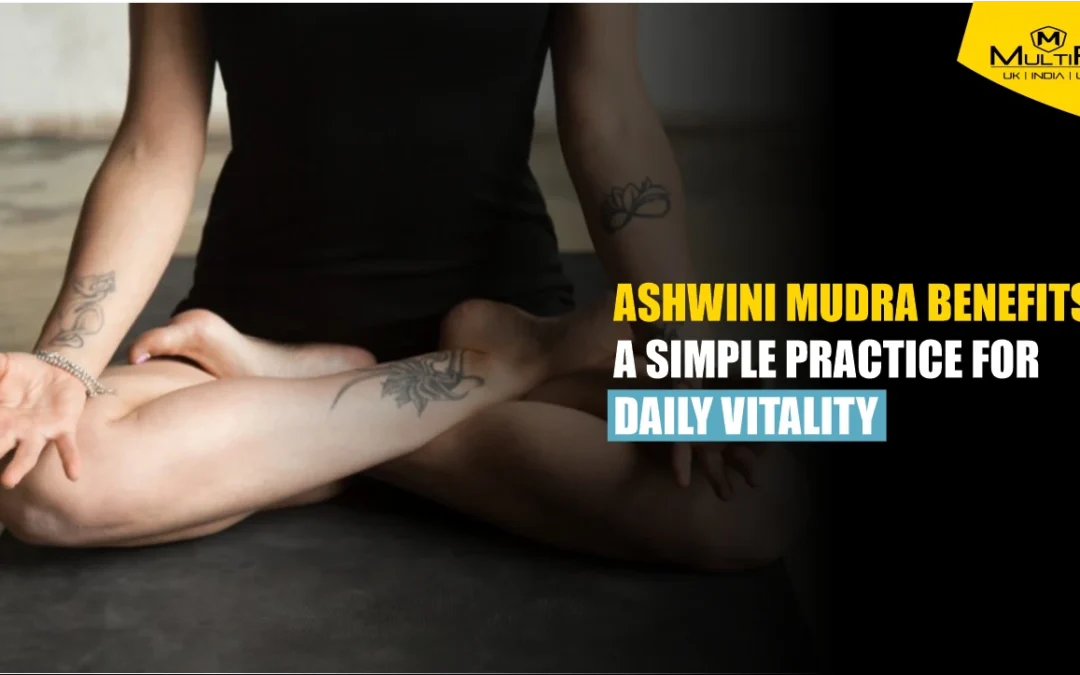
Ashwini Mudra Benefits: A Simple Practice for Daily Vitality
Does inactivity or rapid movement ever cause you to feel sluggish, tense, or drained – especially at the end of a day?
We all have.
That’s why Ashwini Mudra benefits us in many ways. It is easy to integrate this quick yoga move for anyone who sits on a desk or is just lounging before bed. With only a few minutes of easy non-noisy movements, you can promote digestion, silence thoughts, and increase attention. And the best part? Before long you will feel a difference.
What Is Ashwini Mudra?
The Sanskrit word of “Ashwini” is equivalent to the notion of “horse”, and “Mudra” refers to a physical or mental gesture.
The technique involves deliberate tensing of releasing the anal sphincters muscles in a horse-like pattern.
This method is greatly subtle and effective in controlling the body energy and developing strength in the pelvic region.
How to Do Ashwini Mudra
Ashwini Mudra is easy to perform and no special arrangement is required:
- Find a Comfortable Position: While you sit in a lotus, thunderbolt or lying position, you can practice Ashwini Mudra.
- Relax Your Body: Give yourself a couple of soothing breaths to relax your mind and body.
- Contract the Anal Muscles: Gently press in and lift the muscles around your anus as if you were trying to prevent a bowel movement.
- Hold and Release: Hold your squeeze for a few seconds and then let your anal muscles slowly loosen.
- Repeat: Do the exercise for 10 to 15 repetitions per session.
- Consistency: Establish a routine, incrementing the duration of a session and the number of repetitions you make with increasing skill.
Morning is when this practice is most capable or the best setting for meditation can be established.
After indulging yourself into your meals, take some time and work on this practice.
Ashwini Mudra Benefits
1. Enhances Digestive Health
Regular practice also revives the digestive system and can ease out symptoms like experiencing constipation, feeling bloated, and indigestion. In the strengthening of rectal muscles, Ashwini Mudra helps both comfortable and normal bowel movement.
2. Strengthens Pelvic Muscles
By focusing on the muscles of the pelvic floor, this pose assists the muscles that reinforce the bladder, uterus and rectum. Stimulation of these muscles reduces the risk of urinary incontinence and increases the pelvic well-being.
3. Boosts Sexual Health
The offer of Ashwini Mudra benefits for male is actually quite good because it includes controlled ejaculation and increased sexual stamina. Also, it bulks blood flow to the pelvic region implying support of prostate health.
4. Activates Energy Centers
This mudra provides an upward freedom to the energy in the body that activates the Muladhara chakra. In turn you might feel an energy surge and become more grounded.
5. Aids in Spiritual Growth
Its competency towards directing energy upwards helps to unblock and energise dormant centers, thereby propelling spiritual practices and increasing awareness.
6. Improves Focus and Mental Clarity
The act of focusing on the practice makes one’s mind clear, reduces stress and prepares one for inner peace.
Ashwini Mudra Side Effects
While Ashwini Mudra is generally safe, it’s essential to be aware of potential side effects:
- Muscle Strain: Overexertion can lead to discomfort in the pelvic region.
- Hemorrhoids: Excessive pressure may aggravate existing hemorrhoids.
- Rectal Prolapse: Rare but possible with improper practice.
- Disrupted Bowel Movements: Some may experience temporary changes in bowel habits.
- Increased Sexual Arousal: Heightened energy in the pelvic region may lead to increased arousal, which could be distracting for some.
Precautions
Medical Conditions: Avoid if you have high blood pressure, heart disease, or have undergone recent abdominal surgery.
- Pregnancy: Not recommended during pregnancy, especially after the first trimester.
- Menstruation: Women should avoid practicing during their menstrual cycle.
- Proper Technique: Ensure you’re not straining; the practice should be gentle and controlled.
Ashwini Mudra Position
Sit in a relaxed, erect position while keeping your spine straight in order to relax the body during this posture.
The main thing is to work with the anal sphincter muscles, working on alternate contractions and reliefs.
It is possible to practice in this way while meditating or incorporate into a wider array of seated yoga practice.
Ashwini Mudra Yogasan
Combined with specific yoga postures it might be possible to reshape the Ashwini Mudra and its capacity for deeper practice:
Padmasana (Lotus Pose): Promotes stability and concentration.
Vajrasana (Thunderbolt Pose): Promotes proper digestion and enables sustained without strain performance.
Sukhasana (Easy Pose): Ideal for beginners, promoting relaxation.
When used along with Ashwini Mudra, these poses make your practice better and emphasize their benefits more.
Conclusion
Ashwini Mudra into your daily routine may really turn your well-being around.
This light but powerful exercise can improve your general health, purify your mind and spiritual bonds.
It doesn’t matter if your goal is better digestion, better pelvic health, or just some inner calming down, this practice is a simple and efficient option. Just add it in your daily routine for several minutes, and you will be feeling the positive shifts arise.
FAQ’s
Can beginners practice Ashwini Mudra?
It is simple to practice and all levels of ability are applicable.
How often should I practice Ashwini Mudra?
You are encouraged to begin with limited minutes throughout the day and increase gradually as your skills improve.
Is Ashwini Mudra beneficial for women?
Indeed, regular practice strengthens pelvic muscles, keeps reproductive wellness, and can also aid recovery after birth.
Can I practice Ashwini Mudra during menstruation?
Practice during the menstruation is not recommended, as any discomfort can ease up.
Does Ashwini Mudra help with stress?
Really, through working out muscles and consciously breathing you’ll relax more and reduce your stress levels.