by indigiseo | Mar 5, 2026 | Exercises
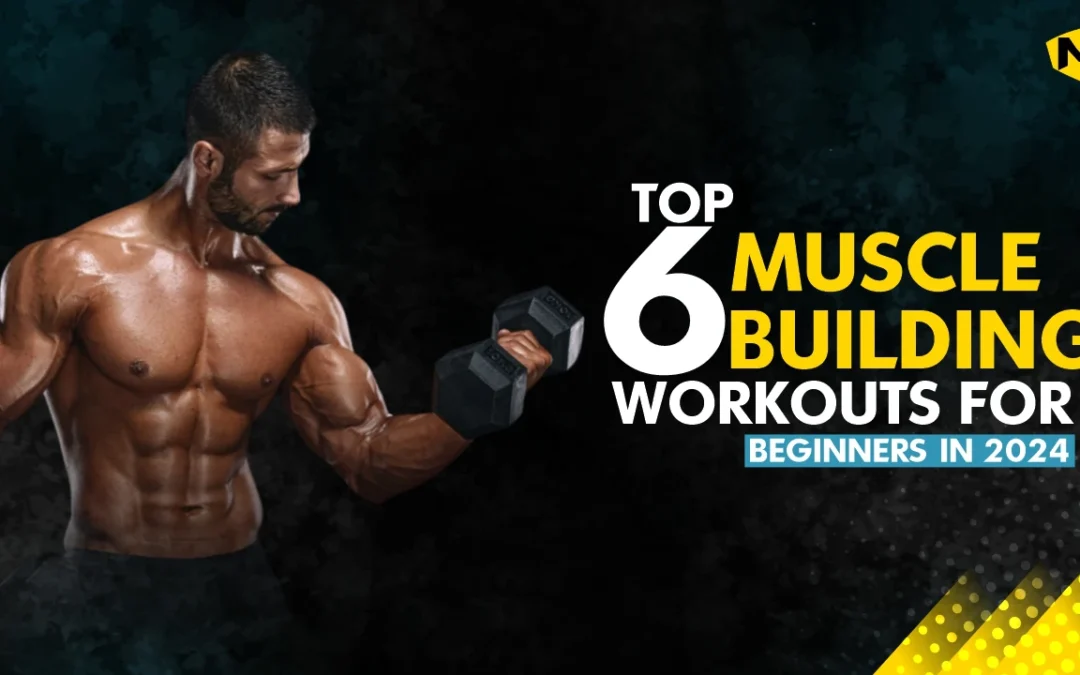
Beginner in muscle building? Discover the top 6 exercises and a muscle-building diet chart for a strong physique. Learn the essentials of hypertrophy, exercise, and nutrition.
Starting a muscle-building exercise routine can seem overwhelming, especially if you are new to working out. However, with the right exercises and guidance, you can build strength and confidence. Dr. Jasmine Shaikh, MD, a renowned physician, emphasizes, “A structured muscle-building program is essential for improving overall health and preventing injuries.” In this blog, we’ll cover the top 7 muscle-building workouts for beginners in 2024.
Below, each exercise is designed to be simple yet effective, and when combined with a proper muscle-building diet chart, they can help you achieve the best results.
1) Squats
Squats are one of the best exercises for building leg strength. They work your quads, hamstrings, and glutes, which are some of the largest muscles in your body.
How to Perform: Stand with your feet shoulder-width apart. Lower your body by bending your knees and hips as if you are sitting back in a chair. Keep your chest up and your back straight. Once your thighs are parallel to the floor, push back up to the starting position.
Tips: Ensure your knees do not go past your toes, and keep your weight on your heels to maintain balance. Start with bodyweight squats and gradually add weights as you get stronger.
2) Pushups
Pushups are excellent for building upper body strength. They target your chest, shoulders, and triceps.
How to Perform: Start in a plank position with your hands slightly wider than shoulder-width apart. Lower your body until your chest nearly touches the floor, keeping your body in a straight line from head to heels. Push back up to the starting position.
Tips: If regular pushups are too challenging, start with knee push-ups or incline pushups using a bench or sturdy surface. Focus on maintaining proper form rather than speed.
3. Lunges
Lunges are effective for building leg and glute strength. They also improve balance and coordination.
How to Perform: Stand with your feet together. Step forward with one leg, lowering your hips until both knees are bent at about 90 degrees. Push back up to the starting position and repeat with the other leg.
Tips: Ensure your front knee stays over your ankle and does not extend past your toes. Keep your torso upright and avoid leaning forward. You can add weights for added resistance as you progress.
4. Bench Press
The bench press is a fundamental exercise for building chest and upper body strength. It targets the pectorals, shoulders, and triceps.
How to Perform: Lie on a bench with your feet flat on the floor. Hold the barbell with a grip slightly wider than shoulder width. Lower the bar to your chest, then push it back up until your arms are fully extended.
Tips: Keep your back flat on the bench and your feet planted on the floor. Start with a lightweight to ensure you can control the bar and avoid injury. If possible, have a spotter for safety.
5. Plank
The plank is a simple yet effective exercise for building core strength. It works your abs, back, and shoulders.
How to Perform: Start in a pushup position but rest on your forearms instead of your hands. Keep your body in a straight line from head to heels. Hold this position for as long as possible.
Tips: Keep your core tight and avoid letting your hips sag or rise. Start with shorter holds and gradually increase the duration as your core strength improves.
6. Deadlifts
Deadlifts are a powerful exercise for building overall strength. They target the lower back, glutes, hamstrings, and core.
How to Perform: Stand with your feet hip-width apart, with the barbell over the middle of your feet. Bend at your hips and knees to grab the bar with your hands just outside your knees. Lift the bar by straightening your hips and knees, keeping your back straight. Lower the bar back down with control.
Tips: Keep the bar close to your body throughout the lift and avoid rounding your back. Start with a lightweight to perfect your form and prevent injury.
Muscle Building Diet Chart
A proper Muscle-building diet chart is crucial for muscle building. Without the right nutrients, your body won’t have the fuel it needs to build and repair muscle tissue. Below are the key areas of nutrients to focus on.
- Protein: Essential for muscle repair and growth. Include lean meats, fish, eggs, dairy, and plant-based proteins like beans and lentils in your diet.
- Carbohydrates: Provide energy for your workouts. Choose complex carbs like whole grains, fruits, and vegetables.
- Fats: Necessary for hormone production and overall health. Include healthy fats from sources like avocados, nuts, seeds, and olive oil.
- Hydration: Drink plenty of water to stay hydrated, especially during workouts.
Here’s a sample muscle-building diet chart for beginners,
Its made up of simple ingredients that can be found everywhere easily and are pocket-friendly also:
- Breakfast: Oatmeal with bananas and a protein shake.
- Mid-Morning Snack: yogurt with nuts.
- Lunch: Grilled chicken breast/eggs (you can have paneer if you are a vegetarian) and steamed vegetables.
- Afternoon Snack: any seasonal fruit with peanut/almond butter.
- Dinner: various pulses, brown rice, and a side salad.
- Evening Snack: Cottage cheese(Paneer) with any home-cooked meal. Conclusion
Starting your muscle-building journey can be exciting and rewarding. By incorporating these top 6 muscle-building exercises into your routine, you’ll be well on your way to building strength and confidence. Remember to follow a muscle-building diet chart to maximize your results. Stay consistent, focus on proper form, and gradually increase the intensity of your workouts.
“With dedication and patience, you’ll see progress and achieve your fitness goals. Happy lifting!”
For professional guidance, support, and a community of fitness enthusiasts, Join MultiFit today.
Our expert trainers can help you achieve your fitness goals with personalized plans and motivation.
by indigiseo | Mar 5, 2026 | Exercises
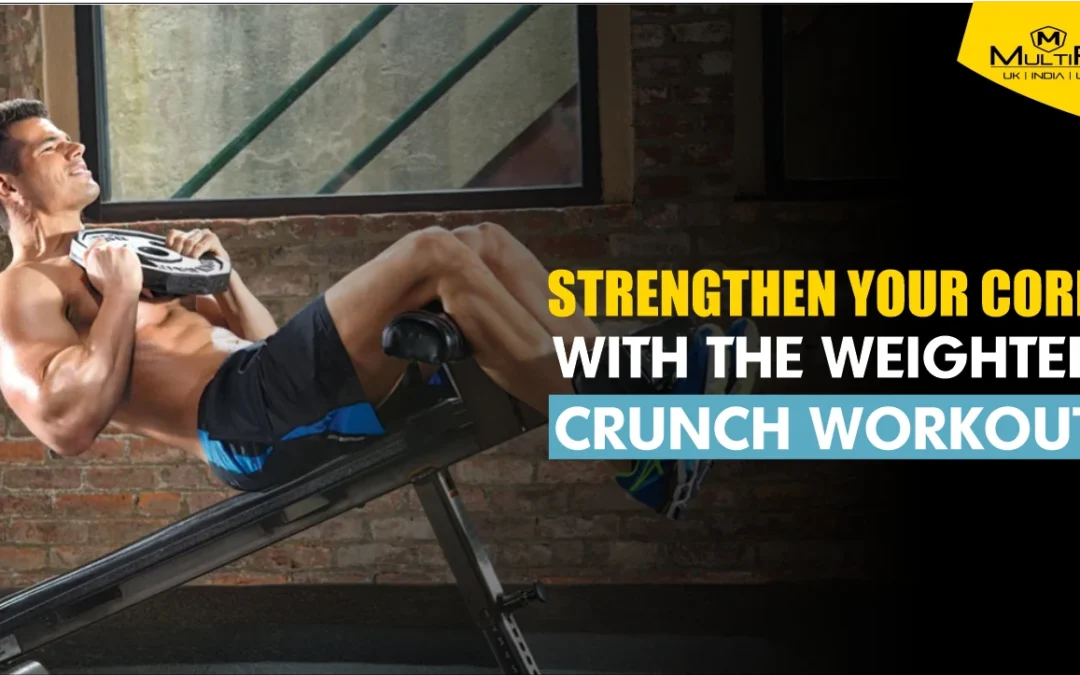
Strengthen Your Core with the Weighted Crunch Workout
Among many people there exists a common problem where traditional crunches have stopped producing results.
You’re not alone. The majority of people struggle to progress their bodyweight exercise routine.
The weighted crunch workout appears as a solution for resistance training. Resistance training enhances your core muscle challenge which results in improved strength and better definition.
Weights used during crunch exercises create important changes in both your stomach definition and core strength.
What Is a Weighted Crunch?
The weighted crunch is a more advanced version of the basic crunch.
The exercise involves adding external resistance like weight plates or dumbbells to increase the intensity.
Applying resistance to the exercise requires your abdominal muscles to work at higher intensity to maximize activation and growth.
How to Do Weighted Crunches
The correct execution of weighted crunches produces maximum benefits while avoiding injuries during performance.
Here’s a step-by-step guide:
- The starting position should consist of lying on your back with legs bent while keeping your feet pressed flat against the floor.
- Grasp a weight either against your chest or behind your head during the exercise.
- Before starting your movement, contract your abdominal muscles to activate them for the exercise.
- Bend your shoulders and upper back upward very slowly as you maintain contact between your lower back and the floor.
- Hold this position at the peak movement while squeezing your stomach muscles.
- Control the descent of your upper body from the maximum height position back to the starting position.
Tips:
Avoid pulling on your neck or using momentum.
Start with a manageable weight to ensure proper form.
Focus on quality over quantity.
Benefits of Weighted Crunches
An exercise program which includes weighted crunches provides multiple benefits.
Using extra weight in this exercise intensifies muscle activation that results in enhanced abdominal strength together with better definition of the muscle groups.
Before performing weighted crunches you must develop core stability because this strengthens your posture and balance for better injury prevention.
Weighted crunches enable progressive overload that stands as the fundamental principle for strengthening muscles and making them grow.
The boosting of workout intensity permits users to finalize more repetitions within shorter periods when conducting bodyweight crunches.
Do Weighted Crunches Work Lower Abs?
Located along the front of your abdomen lies the rectus abdominis which People also name as the “six-pack” muscle.
Although only a single muscle the specific workouts activate various regions of this muscle group.
Weighted crunches deliver their main effects to the superior extent of the rectus abdominis. Reverse crunches together with leg raises provide better lower abdominal activation compared to other exercises.
How Many Weighted Crunches Should I Do?
You should decide your repetition numbers and set count based on your fitness targets.
- For Strength: 2–4 sets of 8–12 reps with moderate to heavy weight.
- For Endurance: 2–3 sets of 15–20 reps with lighter weight.
- For Hypertrophy (Muscle Growth): 3–4 sets of 10–15 reps with challenging weight.
Keep your body position correct during the exercise while modifying your weights to match your exercise level.
Variations of Weighted Crunches
To keep your workouts engaging and target different muscle groups, try these variations:
- Incline Weighted Crunches: Perform crunches on an incline bench to increase the range of motion and intensity.
- Decline Weighted Crunches: Using a decline bench emphasizes the lower portion of the abs.
- Cable Crunches: Utilize a cable machine for constant tension throughout the movement.
- Weighted Bicycle Crunches: Combine rotational movement with resistance to engage obliques.
Safety Considerations
While weighted crunches are effective, it’s essential to approach them with caution:
Avoid Overloading: Using excessively heavy weights can compromise form and increase injury risk.
Listen to Your Body: If you experience discomfort or pain, stop immediately and consult a fitness professional.
Warm-Up Properly: Engage in a brief warm-up to prepare your muscles and joints for the workout.
Consult a Professional: If you’re new to weighted exercises or have existing health conditions, seek guidance from a certified trainer or healthcare provider.
Conclusion
The weighted crunch workout added to your exercise program will boost core strength along with posture while reducing physical challenges that occur due to prolonged sitting.
These three topics cover how to do the weighted crunch, the proper technique of how many weighted crunches should I do, alongside knowing what is a weighted crunch, thus enabling full control of your abdominal training development.
Paying attention to both form and consistent practice remains the most trustworthy approach to build up core strength.
FAQ’s
What is a weighted crunch?
To do weighted crunches you perform basic crunches while gripping additional weight that increases exercise resistance and intensity.
How to do weighted crunch?
Start by placing your body in a position on the floor with bent knees as you hold the weight against your chest or near your head. Begin by engaging your core muscles before lifting your shoulders off the floor and pause briefly while at the top position until you descend down to start.
How many weighted crunches should I do?
The exercise pattern includes 2 to 4 sets and 8 to 15 repetitions but technical precision should always be maintained when adjusting the weight amount.
Do weighted crunches work lower abs?
Weighted crunches work to primarily develop your upper abdominal muscles. People seeking to work their lower abs can perform reverse crunches combined with leg lifts.
Do weighted crunches work?
Proper execution of weighted crunches helps people build abdominal strength while shaping muscle definition.
by indigiseo | Mar 5, 2026 | Exercises
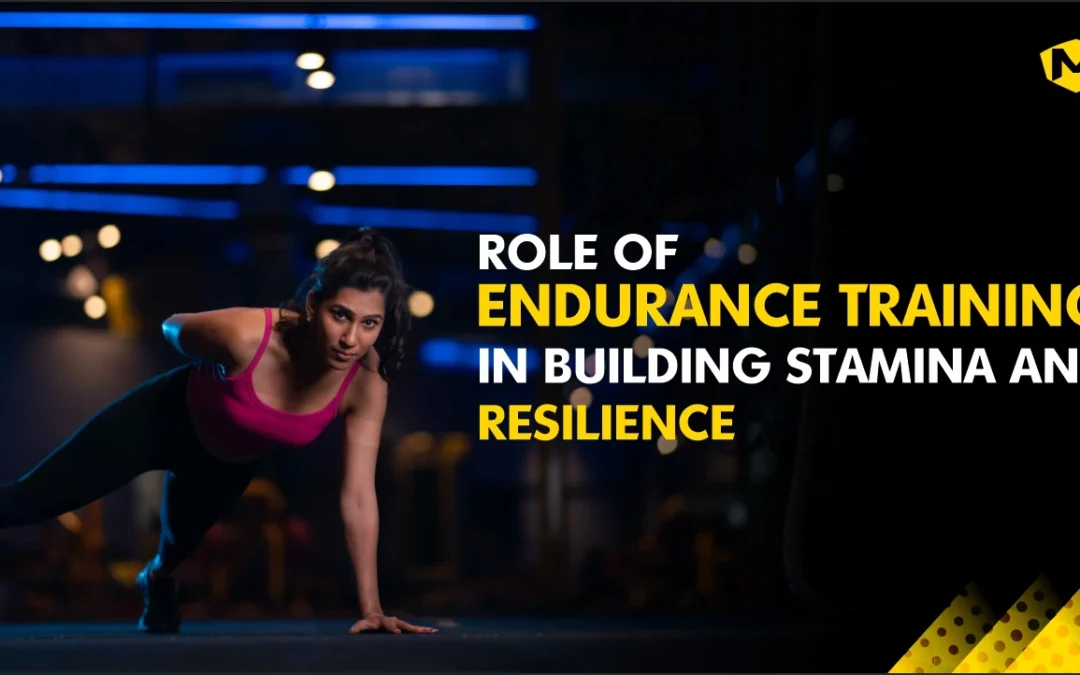
Endurance training is like a supercharged workout that helps athletes become tougher and more energetic. It’s all about doing exercises that make your heart and muscles stronger so you can keep going for longer without getting tired. By doing things like running and lifting weights, endurance workouts build up your body’s ability to keep going strong, making you more resilient and giving you extra stamina to keep pushing through tough workouts, competitions, or daily life activities.
Building resilience and stamina with endurance workouts
Here are six points outlining how endurance training builds stamina and resilience:
1. Enhanced Cardiovascular Efficiency
Endurance workouts improve the heart’s efficiency in pumping blood and delivering oxygen to working muscles. Through sustained aerobic activity, such as running or cycling, the cardiovascular system adapts by increasing stroke volume (the amount of blood pumped per beat) and cardiac output (the volume of blood pumped per minute), resulting in improved stamina during prolonged physical exertion
2. Increased Mitochondrial Density
Mitochondria are the powerhouses of cells responsible for generating energy. Endurance training stimulates the growth and proliferation of mitochondria within muscle cells, enhancing the capacity for aerobic energy production. This mitochondrial adaptation allows muscles to sustain activity for longer durations before fatigue sets in, contributing to improved stamina.
3. Muscular Endurance Development
Endurance training engages muscles in sustained activity, promoting adaptations that enhance their endurance capacity. This includes increased capillarization (the formation of small blood vessels, or capillaries, around muscle fibers), greater oxidative enzyme activity, and improved muscle fiber recruitment patterns. These adaptations enable muscles to maintain force production over extended periods, thereby bolstering resilience to fatigue.
4. Improved Energy Utilization and Metabolism
Endurance workouts facilitate the body’s efficient utilization of fuel sources, such as carbohydrates and fats, during exercise. Through mechanisms like increased glycogen storage capacity and enhanced fat oxidation rates, endurance-trained individuals can sustain energy levels for prolonged periods of activity. This metabolic flexibility contributes to greater stamina and resilience by optimizing energy availability and utilization during exercise.
5. Enhanced Oxygen Transport and Utilization
Thanks to aerobic endurance training, the volume of blood increases by 10-15 %, which means the average volume of blood increases from 5 liters to 5.5-6 liters.Endurance training induces adaptations in the respiratory system, enhancing oxygen uptake, transport, and utilization by working muscles. This includes increased lung ventilation, improved oxygen diffusion across lung tissues, and enhanced oxygen-carrying capacity of blood through elevated red blood cell production and improved hemoglobin function. These respiratory adaptations enable the body to extract and utilize oxygen more efficiently, supporting sustained aerobic performance and resilience to fatigue.
6. Mental Toughness and Psychological Resilience
Endurance workouts challenge individuals both physically and mentally, fostering psychological resilience and mental toughness. Engaging in prolonged, demanding workouts cultivates discipline, perseverance, and the ability to push through discomfort and fatigue. Over time, endurance-trained athletes develop confidence in their ability to endure hardship and overcome obstacles, translating to improved resilience in both athletic pursuits and daily life challenges.
10 endurance workouts you can try to build stamina
Endurance workouts include a variety of exercises aimed at improving cardiovascular and muscular endurance. Here are some common ones:
1. Running
2. Cycling
3. Swimming
4. Rowing
5. Jumping Rope
6. Circuit Training
7. High-Intensity Interval Training (HIIT)
8. Bodyweight Exercises
9. Weightlifting
10. Fartlek Training
Endurance training is key for boosting stamina and resilience. By engaging in various workouts like running, cycling, and swimming, individuals enhance cardiovascular efficiency, muscular endurance, and mental wellbeing. These adaptations enable sustained performance and better coping with challenges. Incorporating endurance exercises into routines empowers individuals to push limits, fostering resilience for both athletic endeavors and daily life.
by indigiseo | Mar 5, 2026 | Exercises
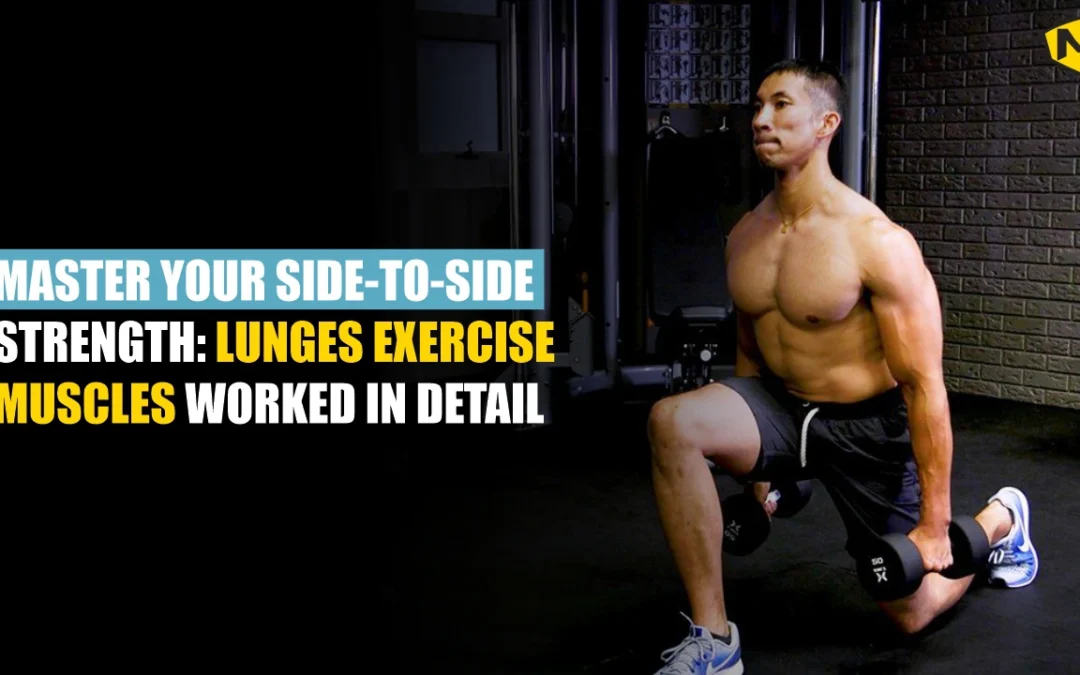
Master Your Side-to-Side Strength: Lunges Exercise Muscles Worked in Detail
Ever tried reaching sideways to grab something and there was a strange force to your inner thigh or lower back?
That slight feeling of discomfort in your body is telling you that it does not move this way enough.
Whereas most exercises are done in a horizontal direction, both lunges exercise muscles are worked in more than one plane, and sideways lunges exercise are the underdogs not known to all. These exercises help you gain strength where it matters the most in hips, thighs, and core. So what is so special about the side lunge benefits? Let us understand the reasons why it’s worth your time.
What Muscles Do Lunges Work?
Traditional Forward Lunges
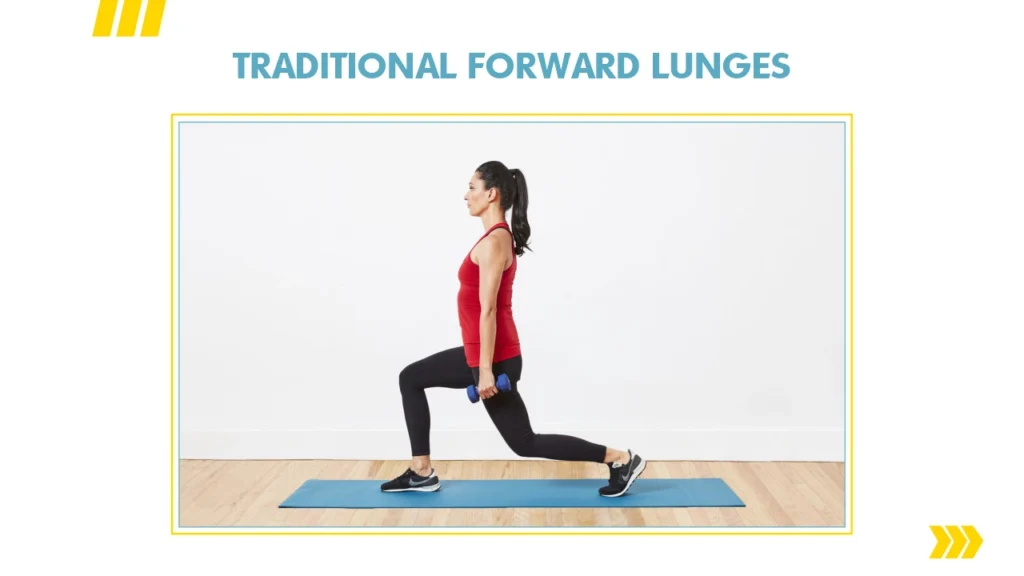
It is a leader of quads, glutes, and hamstrings.
Core muscles, such as obliques, acquired abdominis, and also calves aid in stabilization.
Concentric (standing up) as well as eccentric (depression) muscle activity in quads, glutes, ham strings is both a source of strength and size gains.
Side Lunge Benefits Explained
- Correction of muscle imbalances: This work utilizes one leg at a time in order to correct weaknesses.
- Improved stabilized support: It supports stabilizer muscles around knees, hips, and ankle.
- Increased core stability: Obliques, erector spinae and transverse abdominis maintain body stability during the motion.
- Less chance of injury: Groin strength reduces the risk of strains and lateral strength reduces falls or ankle rollouts .
- Functional movement: Moving forward is not the only action required on a day to day basis, side lunges practice real movements.
Side lunges exercise benefits in Action
Athletes like basketball, tennis, or soccer players build stronger lateral movements .
Runners improve stabilization when changing direction or dealing with unsteady surfaces.
People returning from injury find side lunges easier on the knees than forward lunges.
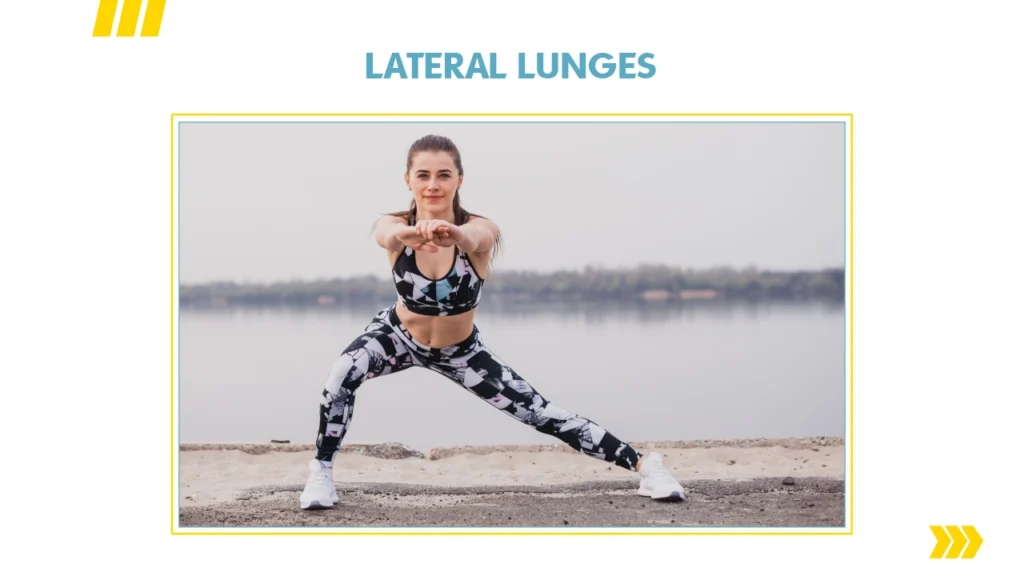
How to Do a Safe lateral lunges exercise
- Stand with feet hip-width apart, core tight.
- Step wide to one side—foot turns forward.
- Bend the stepping knee while pushing hips back, thigh parallel. Keep the other leg straight.
- Keep chest tall and spine neutral.
- Drive through the heel to return.
- Repeat on each side, or alternate.
Key form tips:
Don’t let your knee go past your toes to protect joints.
Keep both feet flat during the move.
Avoid leaning forward—lift your chest.
Why Include sideways lunges exercise?
Unique Muscle Activation
> When moving out, the inner thigh muscles (adductors) are activated more than during front lunges. Outer hips (glute medius) get put in more effort.
> The adductors and abductors are not working as well using regular lunges.
Balance & Joint Stability
> Side lunges present an ankle, knee and hip effort in a fresh plane – the frontal plane.
> Helps do the ordinary moves and things- such as stepping out of a car or losing balance.
Variations to Challenge Yourself
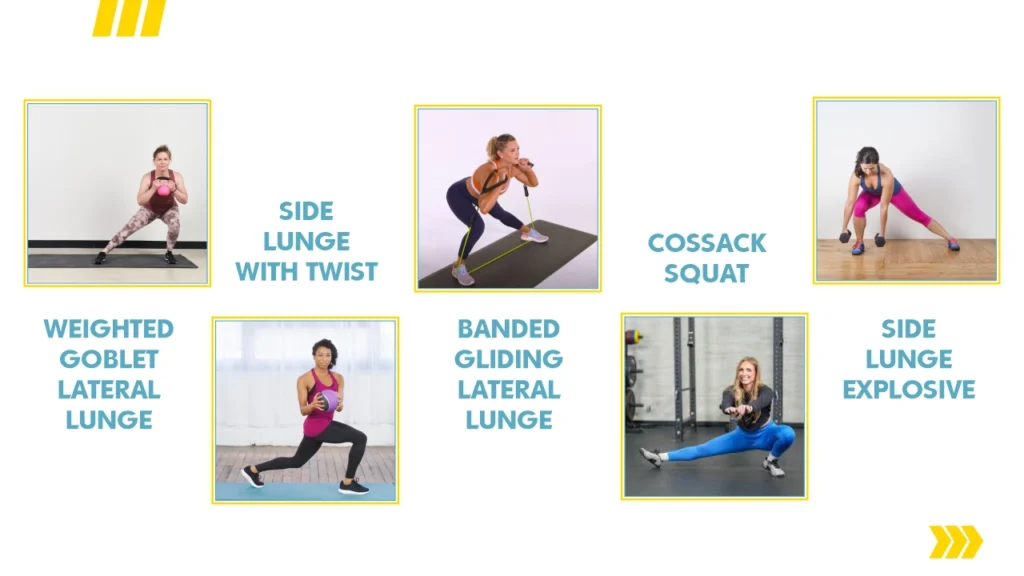
Weighted goblet Lateral lunge (dumbbell or kettlebell at chest) is more power and core building.
Side lunge with twist: a rotation of the torso towards the flexed knee will target obliques .
Using bands/gliders in Banded gliding lateral lunge enhances outer and inner thigh muscles.
Cossack squat: the lower, the better you train mobility and depth check as in side lunges without steps.
Side Lunge Explosive to a Knee Drive-Makes it into a burst.
Integrating into Your Workouts
Include side lunges one or two times per week- to be balanced with forward lunges.
Take 8-15 reps on each side as accessory work with exercises following large work, such as squats.
Beginners: Use bodyweight and then weights or bands with time.
Conclusion
Think of side lunges as your secret edge in real life.
Your hips, glutes, core and inner thighs have your back due to muscles worked in lunges exercise and the strength sideways lunges exercise.
Those side lunges benefits and side lunges exercise benefits translate to better balance, injury protection and day to day strength.
Add the exercises such as lateral lunges to your regime and you will feel the strength when you need it the most.
FAQ’s
Can I do side lunges every day?
Daily side lunges could strain muscles. Instead, do them 2–3 times weekly, allowing recovery days.
Are side lunges safe for knees?
Yes. They’re usually easier on knees than forward lunges if done with proper form .
How deep should I go?
Go as low as comfortable. Pushing too deep causes joint stress. Weight or mobility should guide depth.
Do they burn more calories?
They boost calorie burn compared to static moves. Adding explosive or weighted versions raises the burn rate.
by indigiseo | Mar 4, 2026 | Exercises
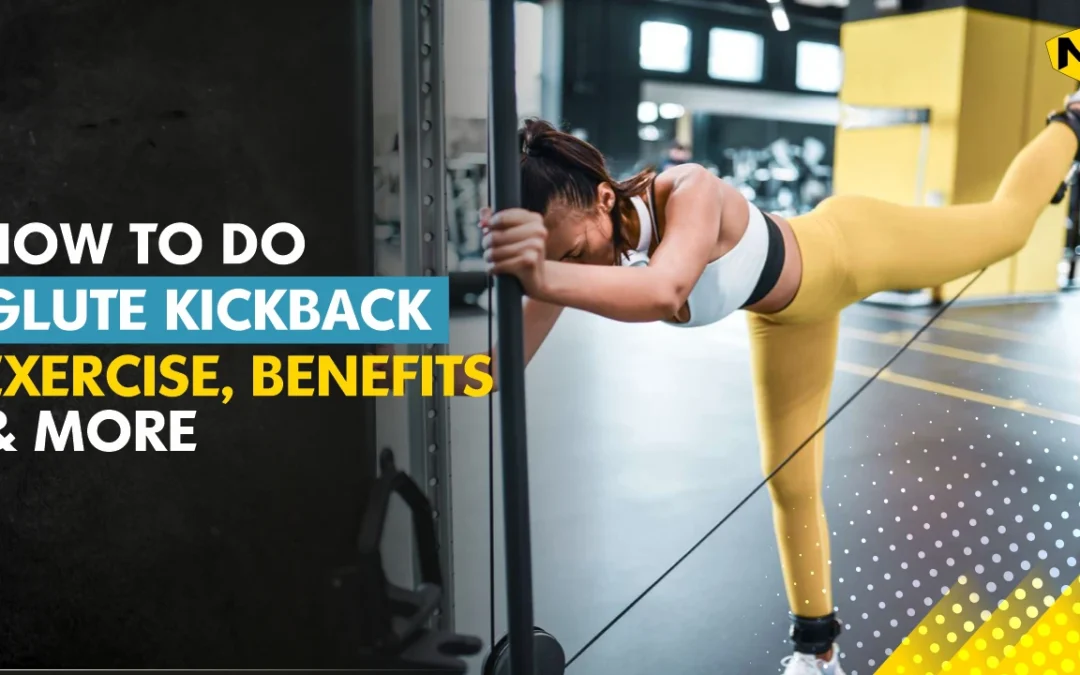
How to do Glute Kickback Exercise, Benefits & More
Are you finding trouble on what exercise to do for your glutes? Do you want to feel more confident in your body? The glute kickback exercise will become a game-changer for you.
In this article, we will look into the benefits of the glute kickback exercise, how to do the form right, and to answer questions commonly asked.
What is the Glute Kickback Exercise?
The glute kickback exercise is a strength training exercise that targets the gluteus maximus muscle. All you have to do is lift one leg backwards, keeping it straight, and then slowly lower it back down to the position you started.
You can do this exercise with or without weights, making it convenient for any individual.
How to Do Glute Kickbacks?
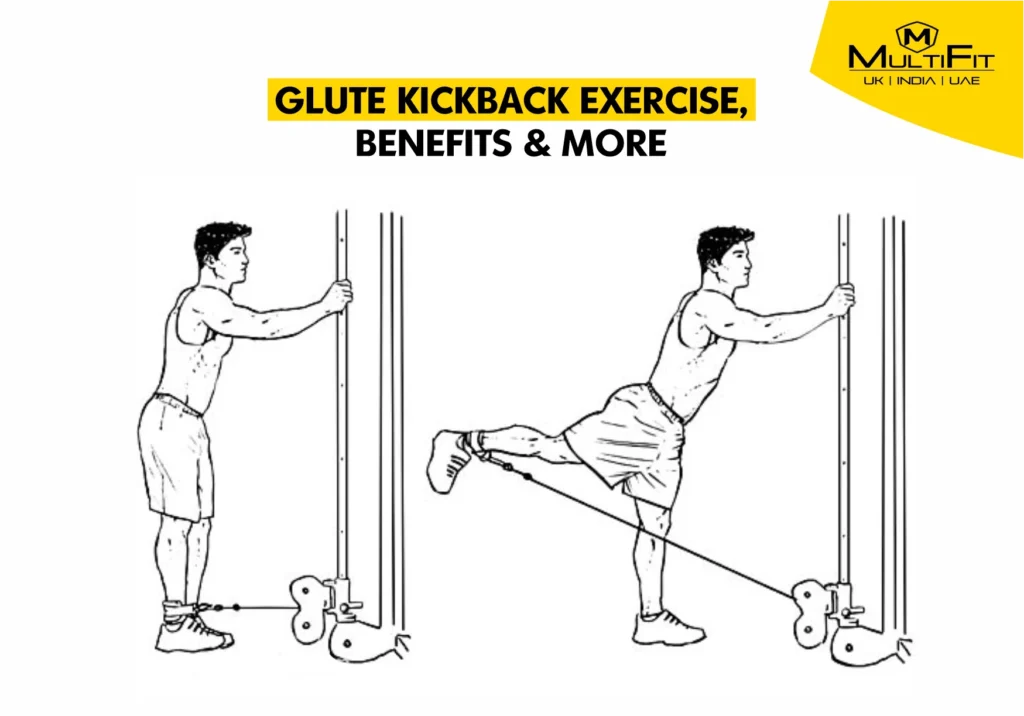
To get the most out of your exercise, here’s how you should do it:
- Start by kneeling on all fours. Make sure your hands are positioned directly under your shoulders and your knees are aligned under your hips.
- Now, lift one leg backwards, keeping it straight, and hold it there for a brief moment. Feel that stretch!
- Gently lower your leg back down to the starting position.
- Switch it up and repeat the same movement with your other leg.
- Keep alternating the legs according to the number of repetitions you want to do.
Remember, proper form is key to getting the best results and avoiding injury.
[Disclaimer: It is highly recommended to consult with a certified trainer before beginning any exercise program]
Glute Kickback Exercise Benefits
Why should you add this into your workout routine? Here are to some key glute kickback benefits:
- Stronger Glutes: This exercise strengthens and tones your glute muscles.It helps to improve posture and reduce injuring yourself.
- Improved Balance and Coordination: If you properly coordinate and balance yourself with this exercise, it will help improve your body’s stability and reduce the risk of falls.
- Low-Impact Exercise: For people who have joint pains or mobility issues, the glute kickback is a gentle yet effective way to build your strength.
- Improved Muscle Tone: If done on a regular basis, it will tone your glutes, hamstrings, and lower back.
Now there is one common question asked, are glute kickbacks effective?
Yes, the exercise is highly effective for strengthening and toning the glutes.
Do it in the proper form and that will definitely help improve your muscle tone, balance, and coordination.
Conclusion
The glute kickback is a simple exercise. It is also an effective way to strengthen and tone your glutes. You will gain stronger muscles, better balance, and low impact on joints, it’s an excellent addition to any workout routine. Remember to perform the exercise in the right form. And if you want more weights, start it light to avoid injury.
Ready to start strengthening and toning your glutes? Join MultiFit today and get access to expert trainers and a supportive community to help you achieve your fitness goals!
by indigiseo | Mar 4, 2026 | Exercises
Free Hand Exercises: Your Simple Path to Fitness Anytime, Anywhere
After dealing with a busy workday stuck in the commute or resting at home without gym motivation you find yourself facing an overwhelming situation.
All you need for a complete body workout and a space, like your living room without requiring any equipment. Free hand exercises bring aesthetic value to their effectiveness which appeals to trainees.
These workouts remain available to everyone while working effectively irrespective of daily deadlines. The following section explains how these exercises will change your fitness path.
What Are Free Hand Exercises?
Any workout that requires no additional equipment counts as a free hand exercise.
The exercises obtain resistance solely through the weight of your body.
Any setting works for these exercises because they require no equipment and welcome people from all fitness abilities.
All fitness abilities can leverage multiple advantages when they add free hand exercises to their workout program whether they practice regularly or rarely engage in fitness activities.
Benefits of Free Hand Exercises
Free hand exercises deliver multiple advantages which include:
- Free hand exercises activate several muscle groups which leads to better strength development as well as endurance gains.
- The practice of regular hand movements leads to improved joint movements to reduce possible injuries.
- Jumping jacks and burpees create cardiovascular benefits because they increase your heart rate to improve this bodily system.
- Weight management becomes achievable through exercise because exercise burns calories while helping people lose weight and prevent weight gain.
- The physical activity activates endorphins that create stress reduction and produce better moods.
- Exercise provides convenience because individuals do not require gym memberships or equipment for working out at any time and location.
Best Free Hand Exercises to Incorporate
Here are some of the best free hand exercises to include in your routine:
- Push-Ups: Strengthen your chest, shoulders, and triceps.
- Squats: Target your thighs, hips, and buttocks.
- Lunges: Enhance leg and core strength.
- Planks: Improve core stability and posture.
- Jumping Jacks: Boost cardiovascular endurance.
- Mountain Climbers: Engage multiple muscle groups and increase heart rate.
- Leg Raises: Strengthen abdominal muscles.
- Arm Circles: Improve shoulder flexibility and tone arms.
How to Do Free Hand Exercises
Starting with free hand exercises is straightforward:
- Warm-Up: Begin with light cardio, like marching in place, to prepare your body.
- Choose Exercises: Select a mix of upper body, lower body, and core exercises.
- Set Repetitions: Aim for 2-3 sets of 10-15 repetitions for each exercise.
- Cool Down: Finish with stretching to aid recovery.
Consistency is key. Even dedicating 15-20 minutes a day can lead to noticeable improvements.
Free Hand Exercises vs. Gym Workouts
A common question is: Is free hand exercises better than gym workouts? The answer depends on your goals.
- Accessibility: Free hand exercises require no equipment, making them more accessible.
- Cost-Effective: They eliminate the need for gym memberships.
- Functional Strength: These exercises often mimic real-life movements, improving daily functional strength.
However, gym workouts offer access to specialized equipment and can be beneficial for targeted muscle building. Combining both can provide a balanced fitness regimen.
Conclusion
Daily practice of free hand exercises brings important health benefits to people who lack gym memberships or use equipment. The series of exercises provides an effective practice for building strength along with flexibility improvement and general wellness gains.
Begin right now with a single change that will lead you towards improved health.
FAQ’s
What are free hand exercises?
Weight-based exercises make up workouts which rely on using body mass for creating resistance during routine activities.
What are the benefits of free hand exercises?
People who do resistance training exercises gain better strength along with body flexibility and cardiovascular system health as well as successful weight control together with mental wellness benefits.
How to do free hand exercises?
The workout procedure consists of warming up then selecting variable exercises for multiple muscle groups followed by 2-3 sets of 10 to 15 repetitions and ending with cooling down.
Is free hand exercises better than gym workouts?
It depends on individual goals. Exercises done by hand tend to be cheaper and more convenient but working out at the gym provides better machines for specific exercises.
Can beginners do free hand exercises?
Absolutely. Different exercises accommodate people of all fitness abilities.